
Westchester County is renowned for its picturesque landscapes, from the rolling hills of North Salem to the historic waterfronts of Tarrytown. However, within these beautiful suburban environments lies a persistent and evolving public health challenge: the infiltration of commensal rodents into our residential and commercial structures. Maintaining a rodent-free environment is not merely a matter of convenience; it is a critical necessity for public health and safety.
Rodents are prolific vectors for a variety of pathogens, including Hantavirus, Salmonellosis, and Leptospirosis. In New York, the structural integrity of our older, historic homes often provides ample opportunity for these opportunistic mammals to establish colonies. While many homeowners initially attempt to manage these infestations independently, DIY efforts frequently fall short of total eradication.
At Westex Pest Management, we view the protection of your family and home as an enormous task and a significant responsibility. Understanding why DIY methods fail is the first step toward implementing a clinical, effective solution. Here are the ten primary reasons your DIY rodent control is likely failing and the technical steps required to rectify the situation.
1. Failure to Identify and Seal Precise Entry Points
The House Mouse (Mus musculus) is capable of compressing its skeletal structure to fit through an aperture as small as 6 millimeters: roughly 1/4 of an inch, or the diameter of a standard ink pen. Many homeowners focus on large, visible gaps while ignoring the subtle structural vulnerabilities that an expert exterminator westchester ny would prioritize.
The Fix: A comprehensive exclusion strategy is required. This involves a meticulous inspection of the building's envelope, focusing on utility penetrations, foundation cracks, and the junction where the sill plate meets the foundation. Materials such as hardware cloth, metal flashing, and professional-grade sealants must be used, as rodents can easily gnaw through plastic, wood, or standard expanding foam.
2. Ineffective Trap Placement Based on Ethology
Rodents exhibit thigmotaxis, a behavioral trait where they prefer to maintain contact with vertical surfaces (walls) while navigating. Placing a trap in the middle of a room or in an open basement area is statistically unlikely to result in a capture.
The Fix: Traps must be placed "trigger-to-wall" along established runways. These runways are often identified by the presence of sebum (body oils) which leave dark rub marks on baseboards. By understanding the ethology of the rodent, we can place equipment in high-traffic zones that maximize the probability of interception.
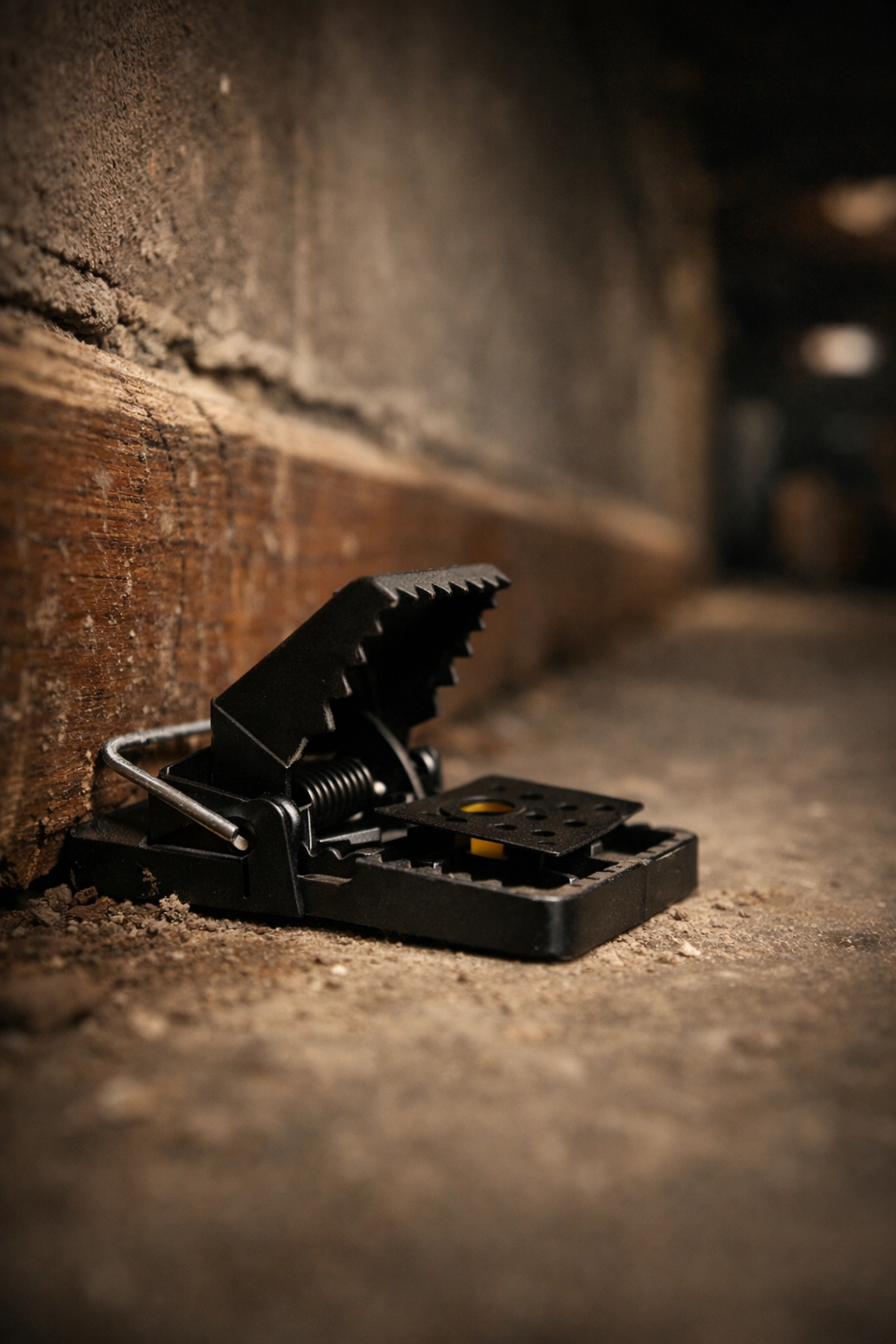
3. Utilizing Suboptimal or "Cartoon" Bait
The cultural trope of rodents preferring hard yellow cheese is scientifically inaccurate. While rodents are opportunistic feeders, they are highly attracted to high-protein and high-lipid food sources.
The Fix: For Mus musculus, professional-grade attractants often include peanut butter, chocolate, or even nesting materials like cotton balls during the winter months. For the Norway Rat (Rattus norvegicus), baits must be rotated to account for their cautious nature. If your current bait isn't disappearing, you are likely failing to compete with the existing food sources in your pantry or pet bowls.
4. Misidentification of the Species
Effective rodent control westchester ny begins with accurate identification. A strategy designed for mice will fail if the intruder is actually a Norway Rat or a Roof Rat (Rattus rattus). Furthermore, Westchester residents often mistake flying squirrels for rats due to the scratching sounds in attics.
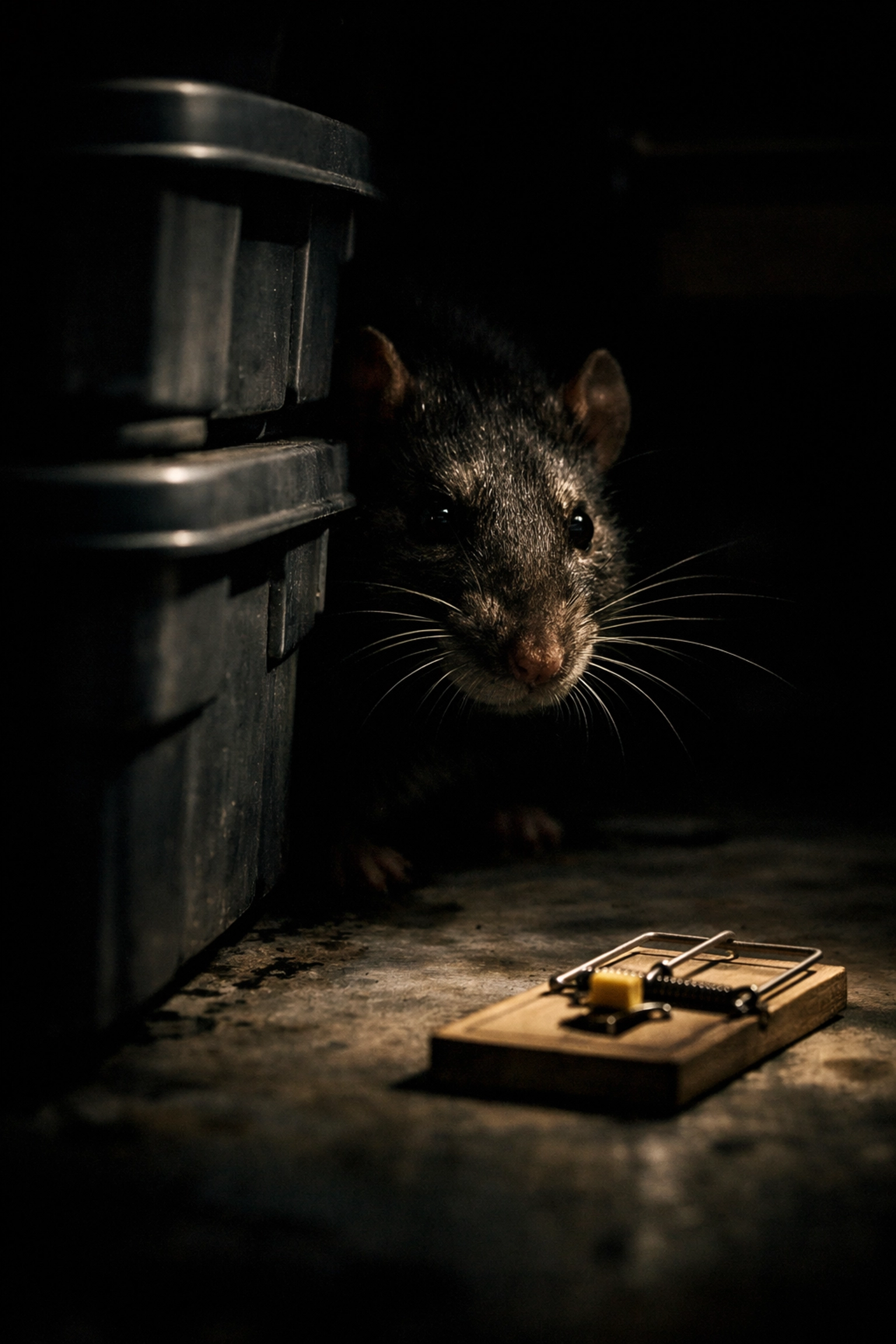
The Fix: Professionals analyze fecal morphology (dropping shape) and gnaw patterns to determine the specific species. Rats are neophobic (fearful of new objects), whereas mice are neophilic (curious). A rat will avoid a new trap for days, while a mouse will investigate it immediately. Your strategy must adapt to these psychological differences.
5. Drastically Underestimating the Population Density
The sighting of a single rodent is rarely an isolated incident. Rodents are highly social creatures with complex hierarchical structures. If you see one mouse, it is statistically probable that a colony of 10 to 20 individuals is nesting within the wall voids or crawl spaces of your home.
The Fix: DIY efforts often involve setting two or three traps. A professional-grade intervention involves "mass trapping" or high-volume baiting. In a standard Westchester residence, it is not uncommon to deploy 20 to 30 points of interception during the initial knockdown phase to ensure the entire population is addressed simultaneously.
6. Reproduction Rates Outpacing Removal
The biology of the rodent is designed for rapid population expansion. A female mouse can produce between 5 and 10 litters per year, with each litter consisting of 5 to 6 pups. These offspring reach sexual maturity in as little as 30 days.
- Annual Potential: A single pair of mice can theoretically lead to a population of 60 descendants in a single year.
- Gestation: The gestation period is a brief 19 to 21 days.
The Fix: You cannot "trap your way out" of an infestation if the entry points remain open. The only guaranteed solution is a multi-pronged approach: immediate population reduction combined with permanent structural exclusion to halt the reproductive cycle within the home.
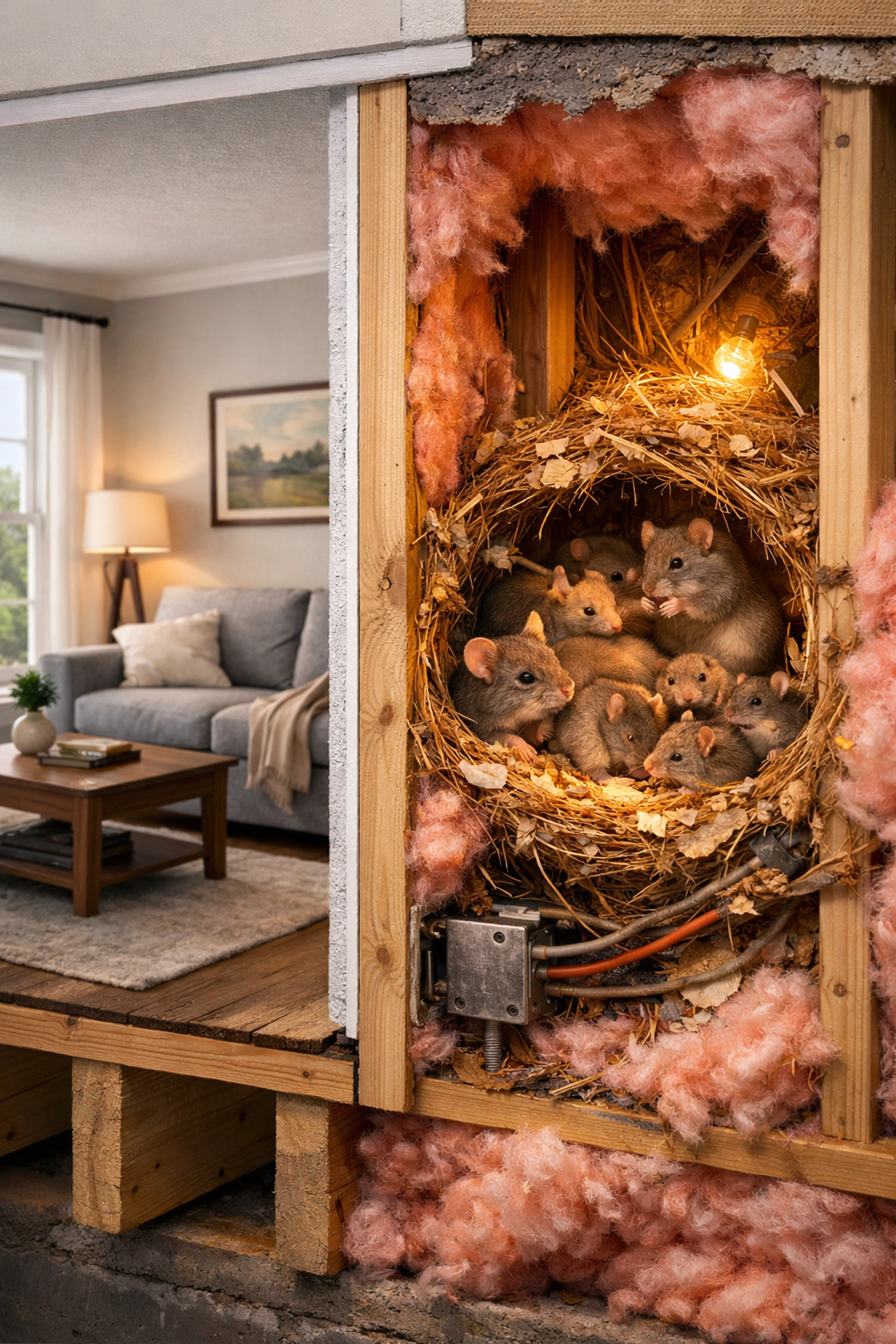
7. Neglecting Environmental Sanitation
Rodents require three things to thrive: food, water, and harborage. Many DIY attempts focus solely on elimination while leaving the attractants untouched. Overfilled trash bins, spilled birdseed, and unsealed pet food are open invitations for re-infestation.
The Fix: Implement strict "sanitation zones." Store all dry goods in glass or heavy plastic containers. Address moisture issues: such as leaking pipes or high-humidity basements: as rodents often enter structures seeking a water source. We recommend reviewing our services to see how we integrate environmental management into our protocols.
8. The Challenge of Neophobia and Trap Shyness
Rats, in particular, are highly intelligent and suspicious of changes in their environment. If a DIY trap snaps but fails to capture the rodent, that individual (and often others in the colony) will develop "trap shyness," making them significantly harder to catch in the future.
The Fix: Professionals often use "pre-baiting" techniques. This involves placing unset traps with bait for several days, allowing the rodents to become comfortable feeding from the device. Once the neophobic response is neutralized, the traps are set, ensuring a high-percentage "knockdown."
9. The Danger of Rodents Dying in Inaccessible Voids
A common DIY mistake is the indiscriminate use of over-the-counter rodenticides. When a rodent ingests these anticoagulants, it often retreats to its nest: deep within a wall or ceiling: to die. This leads to secondary pest issues, such as blow flies or house flies, and the release of cadaverine and putrescine gases, causing foul odors that can persist for weeks.
The Fix: Use rodenticides only in controlled, exterior bait stations to prevent indoor expiration, or rely on mechanical trapping for interior spaces where carcass recovery is possible. This clinical approach protects the indoor air quality of your home.
10. Lack of Professional-Grade Tools and Knowledge
Consumer-grade products sold in "big box" stores are often designed for low-level activity and lack the potency or structural integrity of professional equipment. Furthermore, many DIYers lack the protective equipment (PPE) necessary to safely handle rodent waste, which can aerosolize dangerous pathogens.
The Fix: Professional exterminators in Westchester, NY, have access to restricted-use materials and specialized tools like thermal imaging cameras to locate nests behind drywall.
The Westex Guarantee: Protection for Your Family and Home
The task of rodent eradication is a matter of public health that requires a serious, clinical approach. At Westex Pest Management, we provide more than just a temporary fix; we provide a guaranteed solution rooted in integrated pest management (IPM) principles.
Don't let a minor nuisance turn into a major health risk or structural liability. Our team is trained to identify the subtle signs of infestation that the untrained eye misses. From sealing the smallest 1/4-inch gap to implementing a high-tech monitoring system, we handle the "enormous task" of keeping your home safe.
Ready to reclaim your home?
Check out our current coupons for savings on your initial inspection, or read our latest articles and updates to stay informed on pest trends in Westchester County.

Summary of Risks and Facts
- Disease Transmission: Rodents can spread over 35 diseases worldwide.
- Structural Damage: 8% of house fires of "unknown origin" are estimated to be caused by rodents gnawing through electrical wiring.
- Economic Impact: Rodents contaminate approximately 20% of the world's food supply annually.
Protecting your home is a huge responsibility, but you don't have to do it alone. Contact Westex Pest Management today for a professional evaluation and a permanent end to your rodent problems.