
The city of Yonkers, nestled between the rolling hills of Westchester County and the bustling energy of the Hudson River waterfront, presents a unique set of challenges for public health and property maintenance. As the fourth-largest city in New York, Yonkers features a diverse architectural landscape ranging from historic Victorian homes to modern high-rise developments. However, this density and proximity to the river create an ideal environment for commensal rodents.
Effective rodent control in Westchester NY is not merely a matter of convenience; it is a critical component of public health and hygiene. Rodents are known vectors for numerous pathogens, including Hantavirus, Leptospirosis, and Salmonellosis. Furthermore, their gnawing behavior poses a significant risk to the structural integrity of buildings and can lead to electrical fires. Despite the best intentions of property owners, many DIY efforts fail because they do not account for the biological realities and resilient nature of these pests.
To protect your family and home, it is essential to understand the technical nuances of pest management. Below are seven common mistakes homeowners make when attempting to manage rodent populations in Yonkers, along with professional guidance on how to rectify them.
1. Failure to Identify the Specific Species
One of the most frequent errors is treating all rodent sightings the same. In Yonkers, the three primary culprits are the House Mouse (Mus musculus), the Norway Rat (Rattus norvegicus), and the Roof Rat (Rattus rattus). Each species requires a distinct management strategy based on its biology and nesting habits.
How to Fix It: Accurate identification begins with an analysis of "signs of life." Professional exterminators in Yonkers look for specific indicators:
- Droppings: House mouse droppings are typically 3–6 mm in length with pointed ends. Norway rat droppings are larger, often reaching 18–20 mm, and have blunt ends.
- Gnaw Marks: Fresh gnawing is light-colored and sharp, while older marks are dark and smooth.
- Tracks: Using a fine dusting of unscented talcum powder in suspected travel paths can reveal footprint patterns that help identify the species.
Without identifying the species, you may be placing traps that are too small for a rat or using bait that a mouse finds unappealing.
2. Ignoring Species-Specific Vertical Behavior
While many people associate rodents with basement corners and floor-level cracks, the Roof Rat (Rattus rattus) is highly arboreal. These rodents are agile climbers and prefer to nest in elevated areas like attics, rafters, and even within the upper floors of Yonkers' multi-story apartment buildings.
How to Fix It: If you are dealing with Roof Rats, placing traps only on the ground will yield zero results. You must inspect the "envelope" of the building from the roofline down. This includes checking:
- Gable vents and soffits.
- Overhanging tree limbs (which should be pruned at least 6 feet away from the structure).
- Utility lines entering the upper floors.
For the Norway Rat, which is a burrower, focus should remain on the foundation and lower levels. Understanding these behavioral traits is a cornerstone of professional services.

3. Using an Insufficient Number of Traps
A common misconception is that one or two traps are enough to handle a "few mice." The reality is that rodent populations are rarely singular. Given that a single female House Mouse can produce up to 10 litters per year, a small intrusion can escalate into a public health crisis in a matter of weeks.
How to Fix It: The "rule of three" applies here: for every one rodent you see, assume there are at least ten more. Professional protocols often call for 6 to 12 traps even for minor residential sightings.
- Trap Placement: Position traps along walls (runways) where rodents feel safe.
- Intervals: Place mouse traps no more than 10 feet apart in areas of high activity. For rats, 15 to 20 feet is acceptable due to their larger foraging range.
- Pre-baiting: Leave traps unset but baited for 2–3 days. This allows the rodents to lose their "neophobia" (fear of new objects), ensuring a higher success rate once the traps are eventually set.
4. Failing to Address Entry Points (The Exclusion Gap)
Perhaps the most critical failure in long-term rodent control in Westchester NY is the lack of structural exclusion. Trapping rodents that are already inside is a temporary solution if the "doors" remain open for their successors.
How to Fix It: You must think in terms of millimeters.
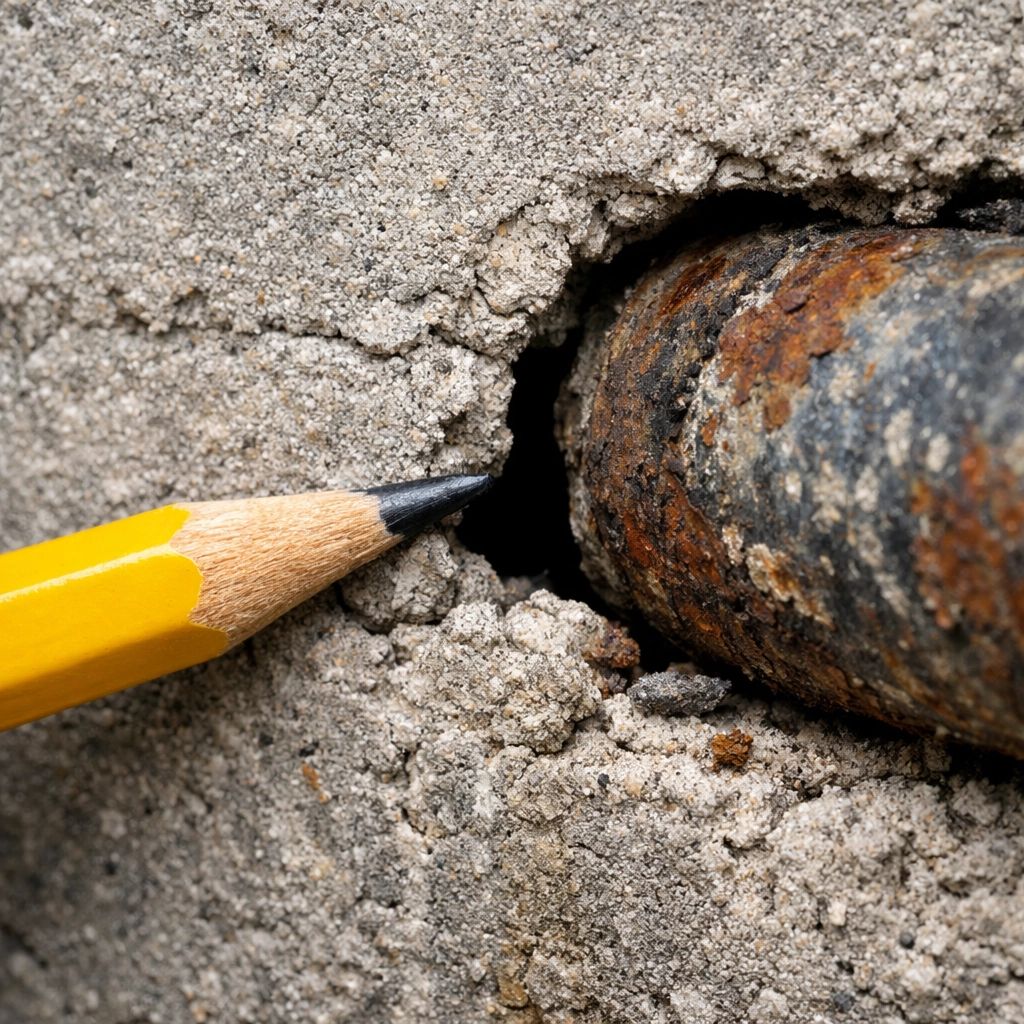
- House Mice: Can enter through a gap as small as 1/4 inch (6.3 mm): roughly the width of a pencil.
- Norway Rats: Can squeeze through a 1/2 inch (12.7 mm) opening.
In older Yonkers homes, shifting foundations and settling create these gaps naturally. Use professional-grade materials such as steel wool, copper mesh, or hardware cloth (1/4 inch mesh) to seal openings around utility pipes, vents, and door sweeps. Regular articles and updates on our site detail the best materials for these high-stakes repairs.
5. Maintaining Conducive Conditions
Rodents require three things to thrive: food, water, and harborage. Many Yonkers residents unintentionally provide all three. Leaving a pet’s food bowl out overnight or allowing ivy to grow thick against the siding of a house creates a "rodent-friendly" habitat.
How to Fix It: Sanitation is a form of pest control.
- Food Storage: Store all grains, pet foods, and birdseed in galvanized steel or heavy-duty plastic containers with airtight lids.
- Vegetation: Maintain a 2-foot "clear zone" of gravel or mulch around the perimeter of the foundation.
- Waste Management: Ensure that garbage cans have tight-fitting lids and are cleaned periodically to remove food residue.
Eliminating these conditions places biological pressure on the rodent population, making your trapping and baiting efforts significantly more effective.
6. The Misuse of Rodenticides and Pellets
While over-the-counter rodenticides are available, they are frequently misused. Placing loose bait pellets in an attic or basement is a major safety violation. Rodents often "cache" or move these pellets to other areas, potentially leading to accidental ingestion by pets or exposure to children. Furthermore, many rodents have developed resistance to certain first-generation anticoagulants.
How to Fix It: If you choose to use baits, they must be used within the strict parameters of the product label: which is a federally enforceable document.
- Safety: Always use tamper-resistant bait stations.
- Strategy: Only use baiting as part of an Integrated Pest Management (IPM) plan that includes trapping and exclusion.
- Documentation: Record exactly where baits are placed so they can be recovered once the infestation is resolved. This prevents the bait from becoming a food source for secondary pests like fruit flies or beetles.
7. Neglecting the "Burrow" Factor
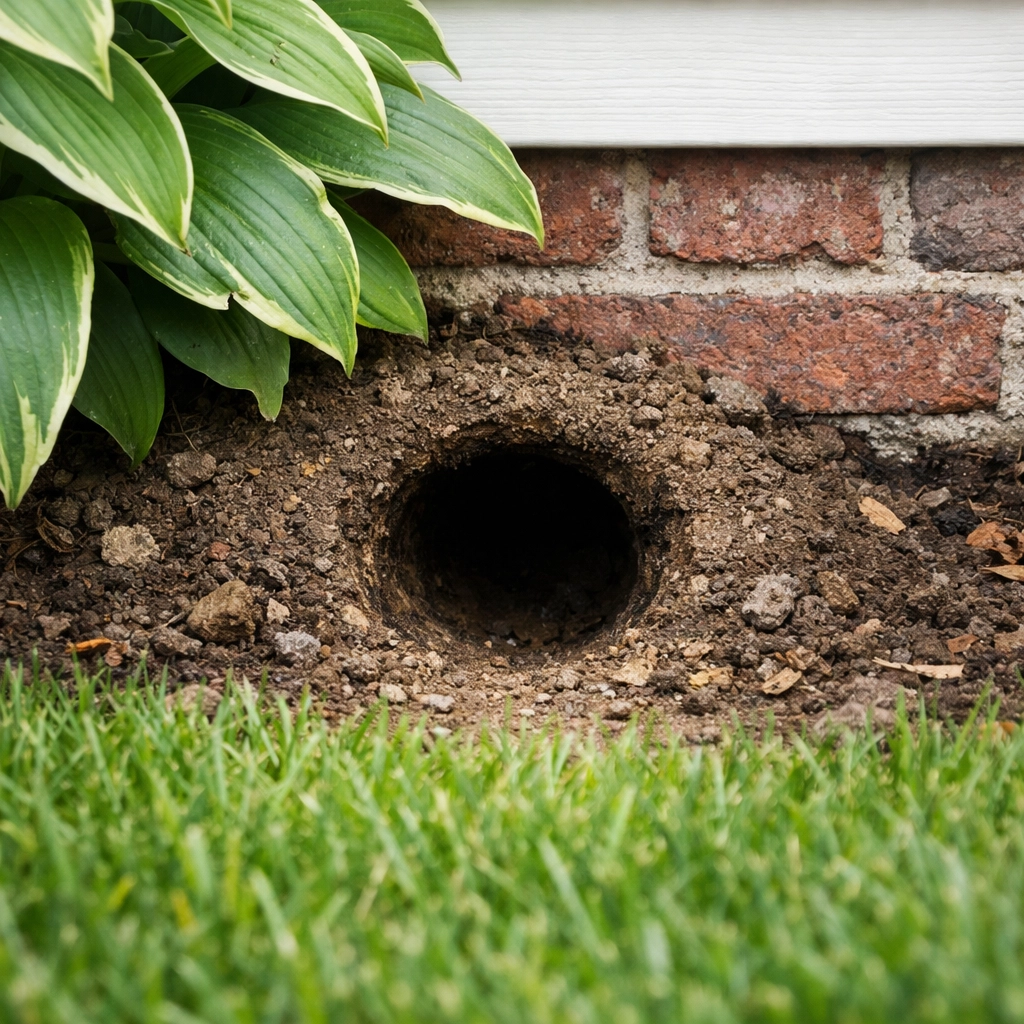
In the urban and suburban landscape of Yonkers, Norway rats often create elaborate burrow systems in the soil near foundations or under concrete slabs. Many people focus on the rodents they see inside but ignore the "headquarters" located just outside the walls.
How to Fix It: Inspect the perimeter for "bolt holes": small, clean-edged holes in the ground about 2–3 inches in diameter.
- Burrow Treatment: Professional exterminators in Yonkers utilize specialized equipment to treat these burrows directly, ensuring the colony is neutralized at the source.
- Structural Barriers: In some cases, installing a "L-shaped" footer of hardware cloth underground can prevent rats from burrowing underneath a porch or shed.
The Enormous Responsibility of Public Health
Managing a rodent infestation in a complex environment like Westchester County is a huge responsibility. It requires a clinical understanding of animal behavior and a commitment to rigorous safety standards. When DIY methods fail, or when the risk of disease and property damage becomes too great, it is time to seek professional intervention.
At Westex Pest Management, we view our work as a vital service for the protection of the family and the home. Our team utilizes advanced techniques and professional-grade equipment to provide a guaranteed solution to even the most persistent rodent challenges. Whether you are dealing with mice in a residential kitchen or a larger rat issue in a commercial space, we provide the expertise necessary to restore safety and hygiene to your property.
If you have noticed signs of rodent activity, do not wait for the problem to multiply. Check our coupons for current offers and contact us today for a comprehensive evaluation.
Protect your property with Westex Pest Management.
Contact Us | Read Our Testimonials