
Westchester County is defined by its picturesque landscapes, from the rolling hills of North Salem to the historic waterfronts of Tarrytown and Yonkers. Our region's unique blend of lush vegetation and historic architecture provides an idyllic environment for residents and business owners alike. However, this same environment supports a complex biological ecosystem that includes the Eastern Subterranean Termite (Reticulitermes flavipes). For the local community, these insects represent more than a mere nuisance; they are a significant threat to the structural integrity of our buildings and, by extension, the safety and financial security of our citizens.
The protection of property in New York is an enormous task. According to industry data, termites cause over $5 billion in property damage annually in the United States: damage that is rarely covered by standard homeowners' insurance policies. In Westchester, the humid continental climate provides the ideal moisture levels for subterranean colonies to thrive. As a leading exterminator in Westchester, NY, Westex Pest Management views termite control not just as a service, but as a critical matter of public health and hygiene. Maintaining a termite-free environment is a necessity for preserving the historical and structural heritage of our county.
Despite the high stakes, many property owners unknowingly engage in practices that invite these wood-destroying organisms into their homes. Understanding the technical nuances of termite behavior is the first step in prevention. Here are the seven most common mistakes homeowners make and the professional strategies required to fix them.
1. Storing Firewood Against the Structure
It is a common sight in Westchester: neatly stacked firewood leaned against a siding or nestled directly next to the foundation. While convenient for those cold winter nights, this practice creates a literal bridge for termites. Reticulitermes flavipes are subterranean by nature, but they are opportunistic foragers. Firewood provides a concentrated source of cellulose: their primary food source: in direct contact with the ground and your home.
The Fix:
To maintain proper hygiene and safety standards, firewood must be stored at least 20 feet away from any structural foundation. Furthermore, the wood should be elevated at least six inches off the ground using a metal rack or concrete blocks. This prevents direct soil-to-wood contact, making it significantly harder for termites to transition from the earth to the wood. Before bringing any logs inside, conduct a thorough visual inspection for "mud tubes": small, pencil-sized tunnels made of soil and saliva that termites use for transport.
2. Allowing Moisture Buildup Around the Foundation
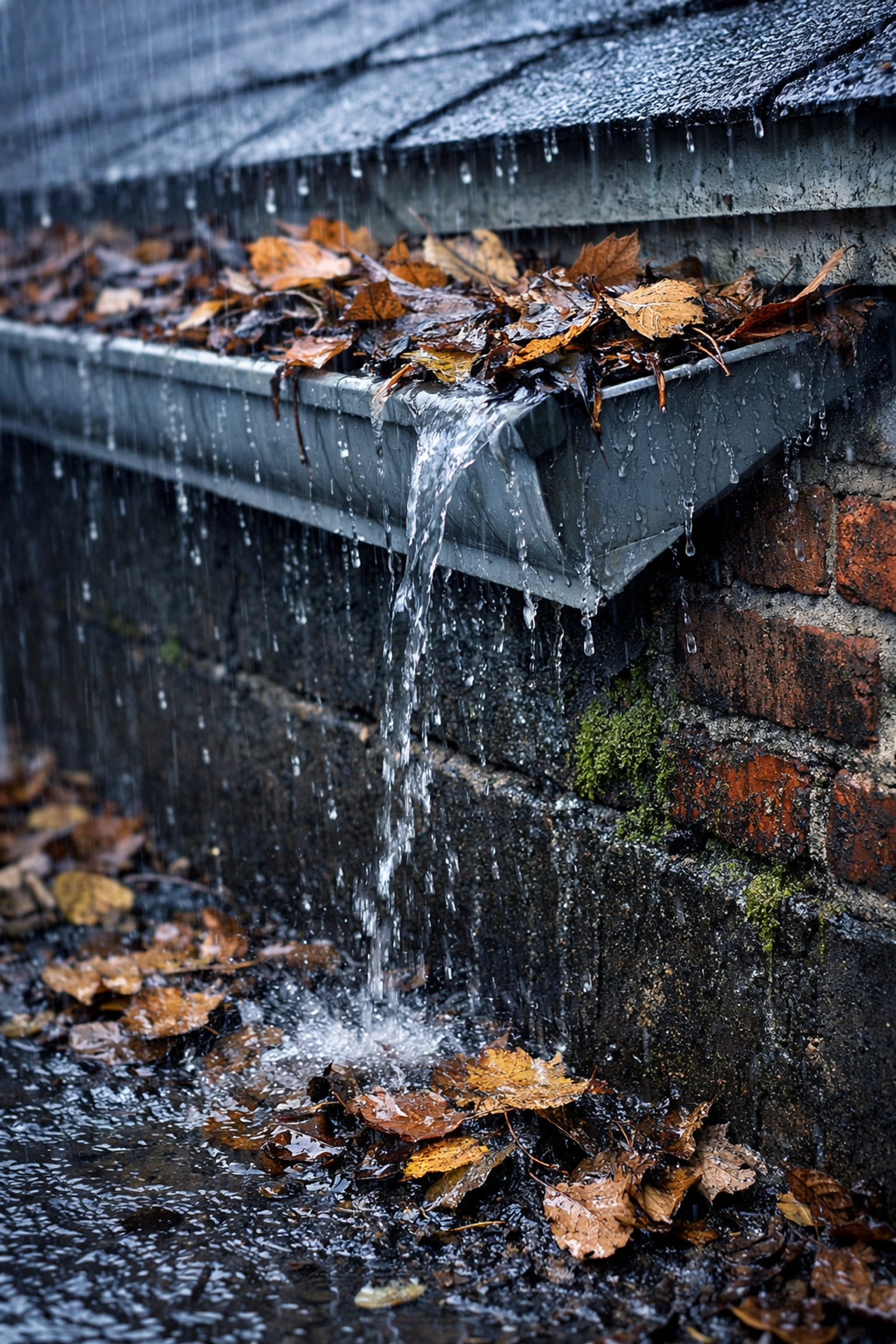
Termites are highly susceptible to desiccation (drying out) and require a constant moisture source to survive. Improper drainage, clogged gutters, and leaky outdoor faucets create localized areas of high humidity that act as a beacon for foraging colonies. When water pools near the foundation, it saturates the soil, allowing termites to tunnel more easily and closer to the surface.
The Fix:
Effective pest control in Westchester begins with moisture management. Ensure that your gutter system is free of debris and that downspouts extend at least 3 to 5 feet away from the foundation. The soil grade around your home should slope away from the structure at a rate of at least six inches over the first ten feet. If you notice persistent dampness in your basement or crawl space, consider installing a high-capacity dehumidifier to keep relative humidity levels below 50%. Addressing these environmental factors is a vital step in the protection of your home.
3. Ignoring "Hairline" Cracks in the Foundation
A common misconception is that a foundation must have significant damage for termites to enter. In reality, a subterranean termite can exploit a gap as narrow as 1/32 of an inch: roughly the thickness of a credit card. These entry points often occur around utility penetrations, expansion joints, or through natural settlement cracks in concrete blocks or poured foundations.
The Fix:
A clinical approach to exclusion is required. Regularly inspect the "critical zone" where the soil meets your foundation. Any visible cracks or gaps should be sealed with a high-quality sealant or expansion foam. However, because many entry points are hidden behind finished walls or under floorboards, professional monitoring is often the only way to ensure total security. Our technicians utilize specialized equipment to detect anomalies within the structural substrate that the naked eye might miss.
4. Improper Use of Wood Mulch
While wood mulch enhances the aesthetic of Westchester gardens, its proximity to a structure is a major risk factor. Studies have shown that homes with mulch placed directly against the foundation are twice as likely to attract termites. Mulch provides two things termites love: a food source and a moisture-retaining blanket that protects them from the elements and predators.
The Fix:
Maintain a "no-fly zone" for mulch. There should be at least a six-inch gap of bare soil or a non-organic barrier (like pea gravel or crushed stone) between your mulch beds and the edge of your home. For those who prefer the look of mulch, consider inorganic alternatives or heartwood-grade cedar, which possesses some natural (though not absolute) resistance to infestation. If you are dealing with other moisture-loving pests like silverfish, removing organic mulch can often solve both problems simultaneously.
5. Relying on DIY Treatments
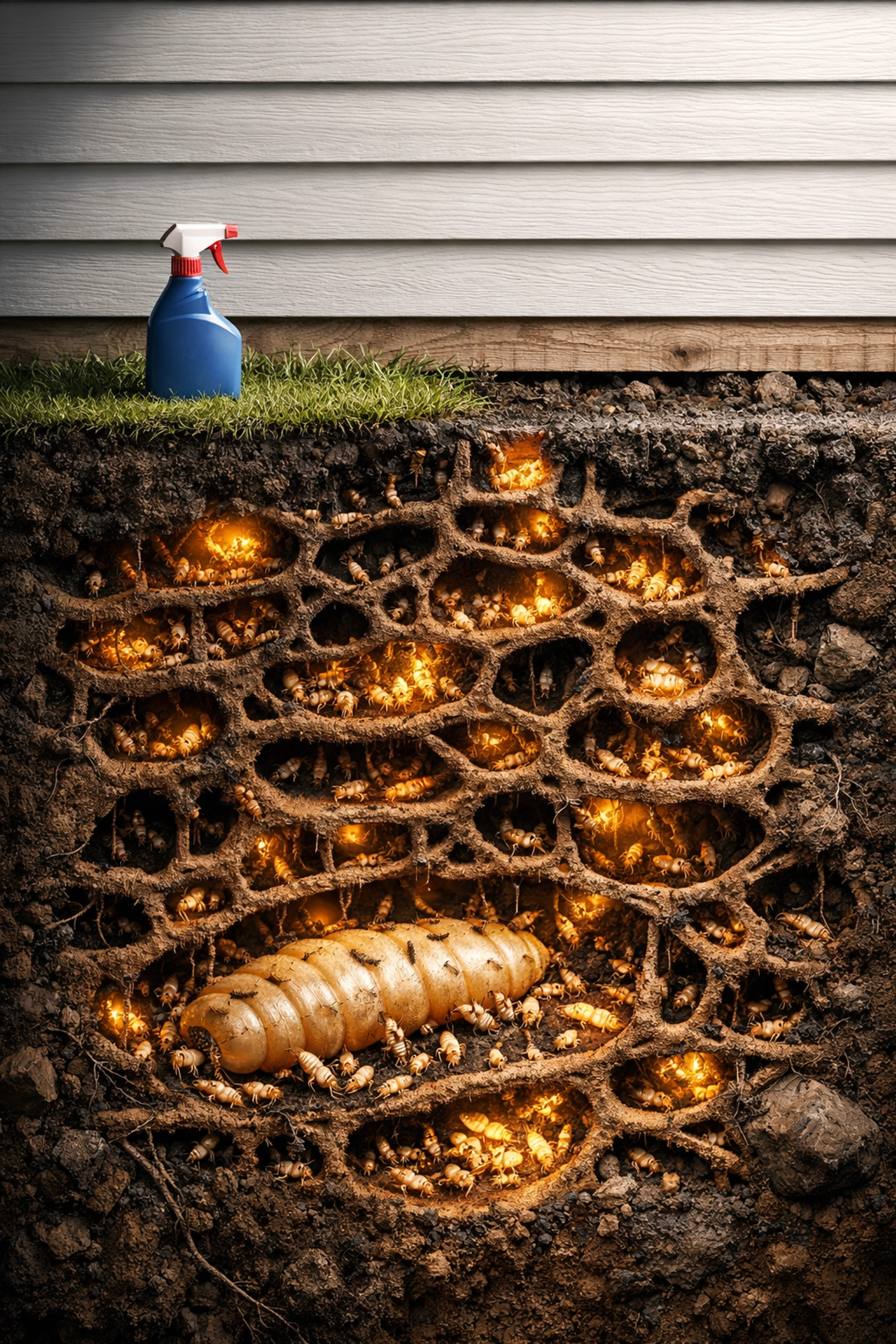
In the age of the internet, many property owners attempt to resolve termite issues using over-the-counter sprays or "DIY" bait stations. This is perhaps the most dangerous mistake of all. Termite colonies are massive, often consisting of hundreds of thousands of individuals located deep underground. Surface-level sprays may kill a few foragers, but they do nothing to address the queen or the central nest. In fact, misapplication of DIY chemicals can increase termite activity by up to 30% as disturbed colonies undergo "budding," where they split and migrate to new, untreated areas of your home.
The Fix:
Termite eradication is a complex pharmacological and behavioral challenge that requires professional-grade termiticides and specialized delivery systems. At Westex Pest Management, we use targeted treatment plans designed to achieve total colony elimination. This is not just about "spraying"; it is about the guaranteed protection of your family and home through scientific methodology. You can view our current coupons to see how we make professional protection accessible to the Westchester community.
6. Leaving Wood Debris and "Stumps" in the Yard
An old tree stump or a pile of discarded construction lumber might seem harmless, but to a termite, it is a primary forage site. These items serve as "launching pads." Once a colony has exhausted the cellulose in a stump, they will expand their subterranean tunnels in search of the next closest source: which is often your home's rim joist or sill plate.
The Fix:
Sanitation is a pillar of public hygiene. Remove old stumps, buried scrap wood, and even cardboard boxes from your yard and crawl spaces. If you have recently completed a renovation, ensure that no "form boards" (wood used to pour concrete) were left in the ground. Clearing these attractants reduces the "carrying capacity" of your property for pest populations, including other wood-boring threats like the Wharf Borer.
7. Skipping Annual Professional Inspections
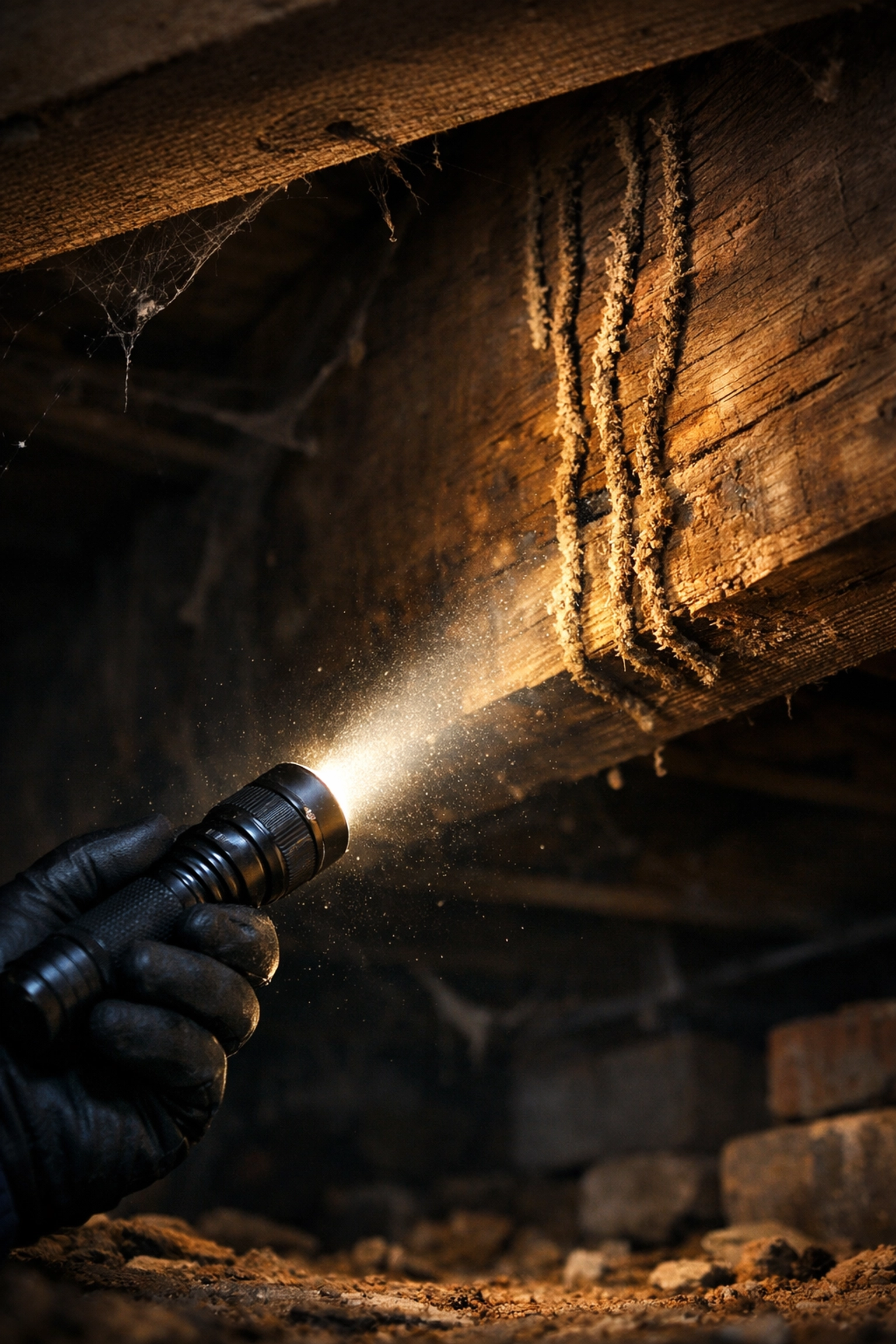
Termites are often called "silent destroyers" because they consume wood from the inside out, leaving the exterior paint or stain intact. By the time a homeowner notices a problem: such as "swarming" (the flight of winged reproductive termites) or sagging floors: the structural damage is already extensive. Skipping an annual inspection is essentially a gamble with your property's value.
The Fix:
Professional entomological surveillance is the only reliable way to catch an infestation in its early stages. An expert exterminator in Westchester, NY knows exactly where to look: the dark corners of the crawl space, the junctions of the chimney, and the moisture-prone areas under the kitchen sink. We treat every inspection with professional gravity, recognizing the huge responsibility we have in maintaining the safety of our local buildings.
The Westex Guarantee: Protection You Can Trust
At Westex Pest Management, we understand that your home is your most significant investment. Our approach to termite control is rooted in empirical research and a deep commitment to the Westchester community. We don't just treat the symptoms; we address the environmental and structural vulnerabilities that allow pests to thrive.
From dealing with bed bugs to complex termite colony elimination, our mission is to provide a clinical, effective, and professional solution for every client. The "enormous task" of pest management in an environment as diverse as ours requires constant vigilance and technical expertise.
Don't wait for the damage to become visible. If you suspect termite activity or simply want the peace of mind that comes with a professional evaluation, contact Westex Pest Management today. Let us help you safeguard your property against the silent threat of the Eastern Subterranean Termite. For more information on local pest trends and safety updates, visit our articles and updates page.
Your home’s structural integrity is a matter of safety and necessity. Let the experts handle the science of protection.