Westchester County is renowned for its picturesque landscapes, ranging from the lush corridors of the Rockefeller State Park Preserve to the manicured suburban lawns of White Plains and Scarsdale. However, this environmental beauty masks a persistent public health challenge. As the northeastern United States experiences fluctuating winter temperatures and earlier springs, the prevalence of tick-borne illnesses has reached a critical threshold. Ensuring the safety of your family and property is no longer a matter of simple seasonal maintenance; it is a significant responsibility involving rigorous public health and hygiene standards.
In New York State, and specifically within the Hudson Valley, the black-legged tick (Ixodes scapularis) serves as the primary vector for Lyme disease (Borrelia burgdorferi), Anaplasmosis, and Babesiosis. According to the New York State Department of Health, thousands of cases of Lyme disease are reported annually, with a substantial percentage of these infections originating in residential backyards rather than deep forests. Managing this risk requires an understanding of tick biology, local ecology, and the professional application of integrated pest management strategies.
To help homeowners navigate this "enormous task" of property protection, we have identified the seven most common mistakes made in tick prevention and the technical solutions required to rectify them.
1. Neglecting the "Transition Zone" and Yard Maintenance
One of the most frequent errors Westchester property owners make is failing to recognize the specific micro-habitats where ticks thrive. Ticks are highly susceptible to desiccation (drying out); they require environments with at least 80% humidity to survive for extended periods. This is why they are rarely found in the center of a sun-drenched, short-cropped lawn and are instead concentrated in the "transition zone": the area where the lawn meets the woods, tall brush, or ornamental plantings.
The Fix:
Establish a physical barrier. Research from the Centers for Disease Control and Prevention (CDC) suggests creating a 3-foot-wide (approx. 91 cm) barrier of wood chips or gravel between your lawn and any wooded areas or stone walls. This creates a dry, "no-man's land" that ticks are reluctant to cross. Furthermore, keep grass mowed to a height of no more than 3 inches (7.6 cm) and remove all leaf litter, as decaying organic matter provides the perfect moist insulation for ticks and their primary hosts, the white-footed mouse (Peromyscus leucopus).

2. Wearing Inappropriate Clothing During Outdoor Activity
Many residents venture into their gardens or local parks in shorts and short-sleeved shirts, providing an easy path for a "questing" tick to find a host. Ticks do not jump or fly; they sit on the tips of grasses and shrubs, extending their front legs to grab onto passing skin or fabric.
The Fix:
When entering high-risk areas, professional safety protocols dictate wearing long-sleeved shirts and long pants. For maximum protection, tuck your pants into your socks and your shirt into your waistband. This forces the tick to crawl upward on the outside of your clothing, making them easier to spot. Opt for light-colored fabrics, which provide a high-contrast background for identifying the dark, poppy-seed-sized nymphal ticks. Furthermore, treating outdoor clothing with products containing 0.5% permethrin provides a reliable chemical barrier that remains effective through multiple wash cycles.
3. Skipping the "Anatomical" Tick Check
A cursory glance at your legs after a walk is insufficient. Nymphal ticks, which are responsible for the majority of disease transmissions in Westchester, are less than 2 millimeters in size. They often seek out warm, thin-skinned areas where they can remain undisturbed for the 36 to 48 hours required to transmit the Borrelia burgdorferi bacterium.
The Fix:
Conduct a methodical, full-body inspection every time you return from the outdoors. Pay clinical attention to the following high-risk zones:
- The scalp and hairline.
- The interior and exterior of the ears.
- The axillary region (armpits).
- The umbilical area (belly button).
- The pelvic and groin area.
- The popliteal fossa (the back of the knees).
4. Delayed Post-Outdoor Hygiene
Many people return from outdoor activities and immediately sit on furniture or delay showering until the evening. This provides unattached ticks with ample time to move from clothing to skin or to migrate into the fibers of your home’s upholstery.
The Fix:
Shower within a two-hour window of coming indoors. Clinical research has shown that showering shortly after exposure significantly reduces the risk of Lyme disease. The physical action of washing can rinse off unattached ticks, and it provides a dedicated time to perform the thorough anatomical check mentioned above. Additionally, placing outdoor clothes in a dryer on high heat for 10 to 15 minutes will kill any ticks hitching a ride, as the dry heat effectively dehydrates them.

5. Utilizing Improper Tick Removal Techniques
There is a significant amount of misinformation regarding how to remove an attached tick. Methods involving matches, peppermint oil, or "twisting" the tick are not only ineffective but dangerous. These techniques can traumatize the tick, causing it to regurgitate its stomach contents: including pathogens: directly into the host’s bloodstream.
The Fix:
The only medically approved method is to use fine-tipped tweezers. Grasp the tick as close to the skin's surface as possible (aiming for the mouthparts). Pull upward with steady, even pressure. Do not twist or jerk the tick, as this can cause the mouthparts (the hypostome) to break off and remain in the skin. After removal, disinfect the bite area and your hands with rubbing alcohol or soap and water. If you are concerned about disease transmission, save the tick in a sealed container for potential testing by a professional exterminator westchester ny or a medical lab.
6. Overlooking the Pet-to-Human Pathway
Pets are often the silent "Trojan horses" of tick infestation. Even if your pet is on a preventative medication, ticks can still cling to their fur without biting, only to drop off later inside your home: on your carpet, your sofa, or even your bed.
The Fix:
In addition to veterinarian-prescribed oral or topical preventatives, pets must be inspected daily. Use a fine-toothed flea comb to check your dog or cat after every walk, especially around the head, neck, and paws. By managing the pest population on your pets, you are directly contributing to the public health and hygiene of your entire household.

7. Relying Solely on DIY Solutions for Large-Scale Protection
While individual precautions are vital, the sheer scale of the tick population in the Hudson Valley makes DIY efforts difficult to sustain. Over-the-counter sprays often lack the residual efficacy required to manage the complex life cycle of the tick, which spans two years and includes four distinct stages: egg, larva, nymph, and adult.
The Fix:
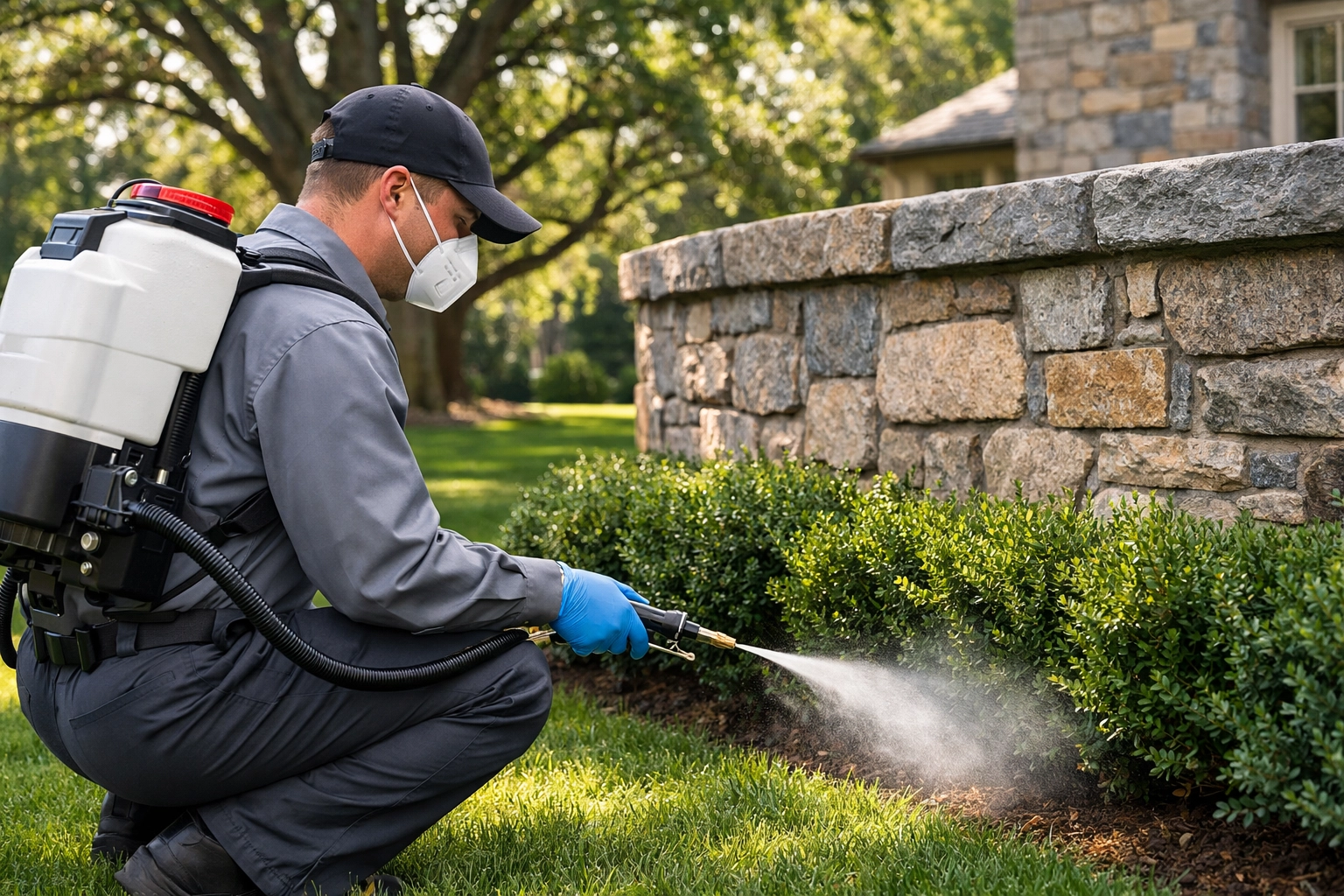
Professional intervention is a necessity for true property safety. A certified exterminator westchester ny understands the seasonal migration patterns and the specific botanical densities of our region. Professional-grade barrier treatments focus on the perimeter and the specific shaded habitats where ticks congregate, providing a "guaranteed" level of protection that consumer products cannot match.
The Professional Standard in Westchester County
The task of protecting your property from the risks of tick-borne disease is a huge responsibility. At Westex Pest Management, we view our role as more than just a service; we are partners in the preservation of community health. Our approach to pest control westchester utilizes the latest empirical research and technical precision to ensure that your outdoor spaces remain a sanctuary for your family rather than a hazard.
The prevalence of Ixodes scapularis in Westchester requires an alert, serious, and clinical approach to mitigation. By correcting these common mistakes and implementing a professional management plan, you can significantly reduce the statistical likelihood of tick encounters on your property.
For a comprehensive evaluation of your property's tick risk and to implement a professional-grade barrier treatment, contact the experts at Westex Pest Management today.
Contact Westex Pest Management
Protecting Westchester families with technical expertise and a commitment to public safety.