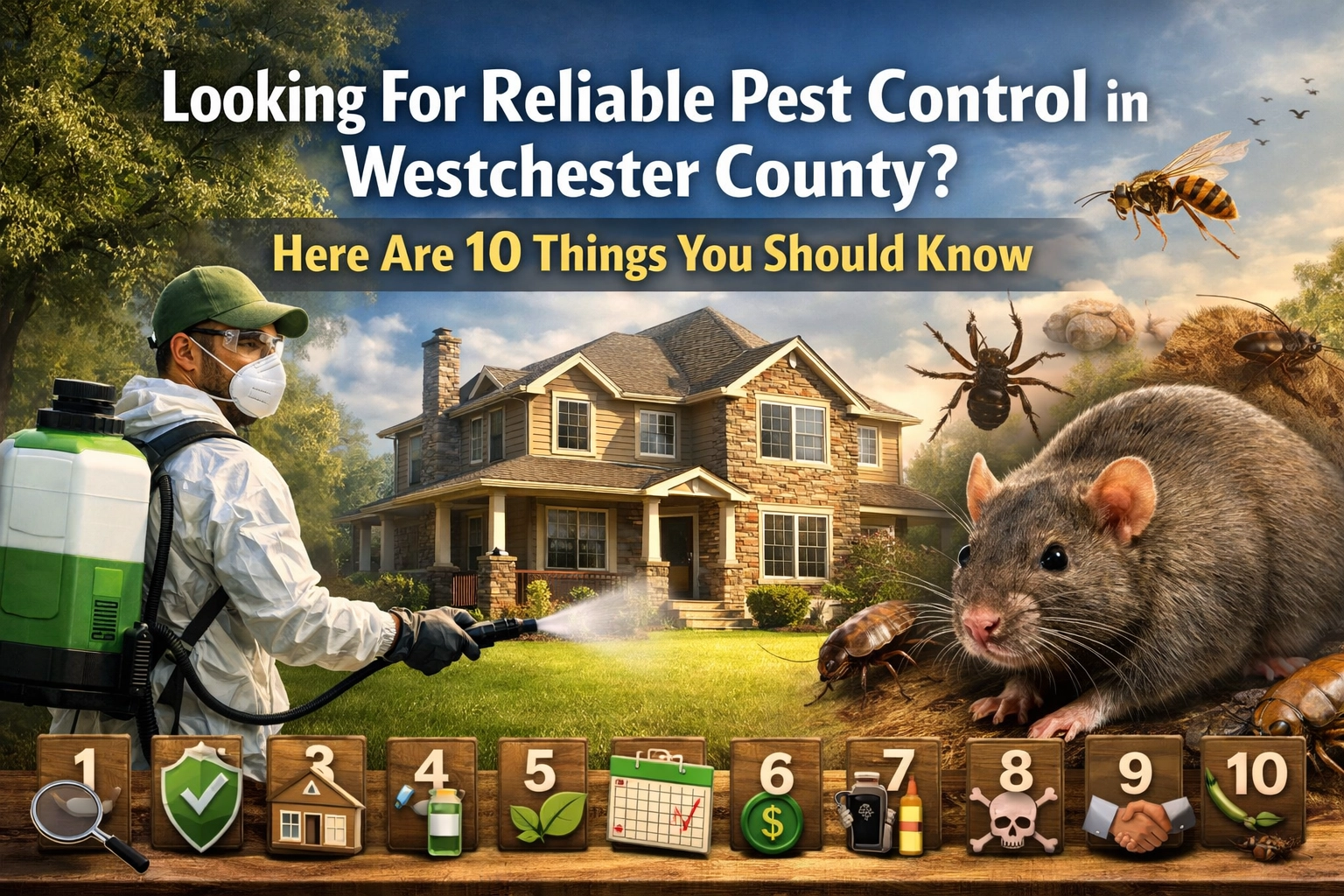
Westchester County, characterized by its picturesque landscapes ranging from the banks of the Hudson River to the dense woodlands of the northern suburbs, presents a unique set of environmental challenges for property owners. While the region’s greenery is a hallmark of its beauty, it also serves as a robust habitat for a wide array of biological threats. Managing these threats is not merely a matter of convenience; it is a critical component of maintaining public health and hygiene. In an area where the intersection of human habitation and wildlife is so frequent, the responsibility of effective pest management becomes an enormous task.
Securing reliable Westchester County pest control requires more than a simple search for a local service provider. It demands an understanding of the technical, legal, and biological standards that separate a temporary fix from a long-term safety solution. Whether you are dealing with structural threats or disease-carrying vectors, here are ten essential things you must know when looking for an exterminator in Westchester.
1. The Importance of New York State DEC Licensing
The first and most non-negotiable factor in selecting a pest control provider is their licensing status. In New York, the Department of Environmental Conservation (DEC) oversees the certification of pesticide applicators. A professional firm must employ technicians who are not only licensed but also maintain ongoing education in the latest chemical safety protocols and application techniques. This ensures that every intervention performed on your property adheres to strict legal and safety standards, protecting both the inhabitants and the surrounding ecosystem.
2. Integrated Pest Management (IPM) is the Gold Standard
Modern pest control has evolved from the reactive "spray and pray" methods of the past to a more scientific, data-driven approach known as Integrated Pest Management (IPM). IPM is a holistic strategy that focuses on long-term prevention through a combination of techniques such as biological control, habitat manipulation, and the use of resistant varieties.
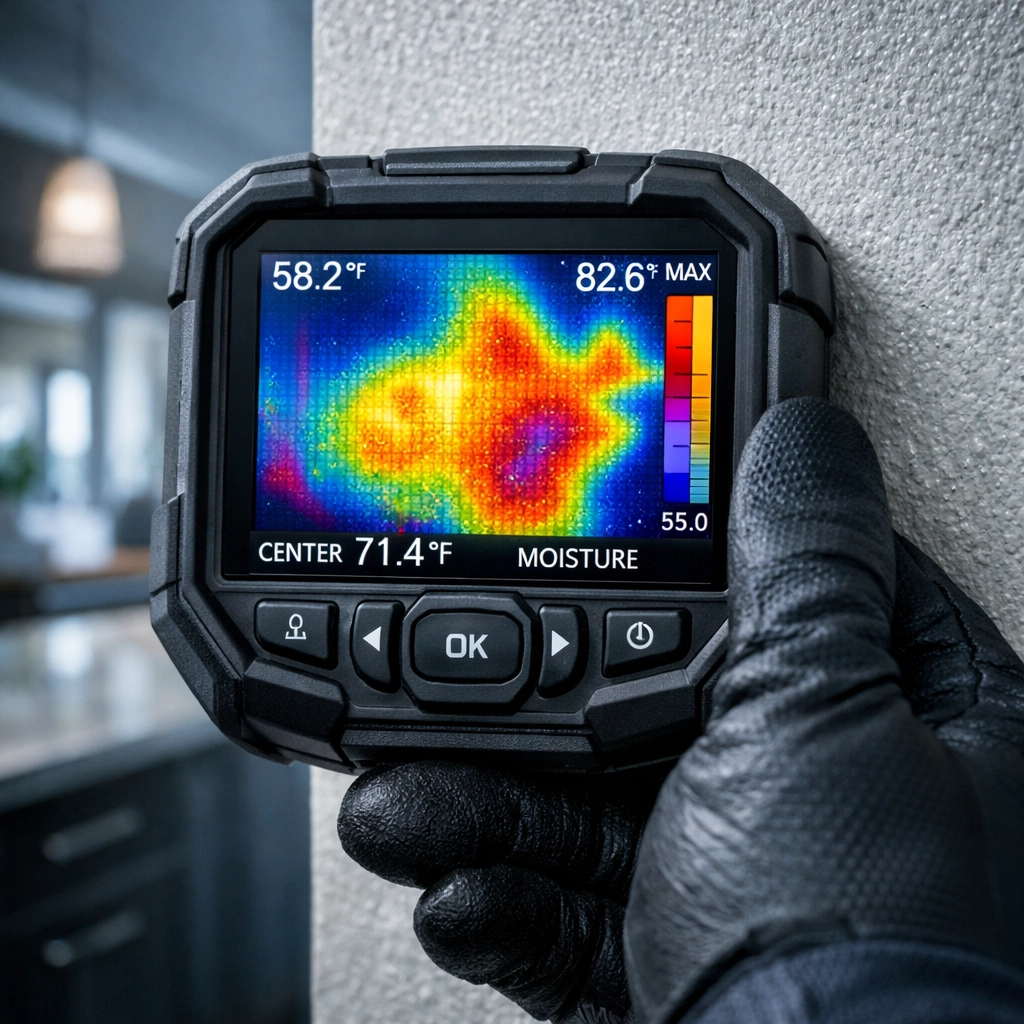
When you hire a professional service, they should prioritize an initial inspection to identify the root cause of an infestation: such as moisture levels or structural gaps: before recommending a treatment plan. This clinical approach minimizes chemical usage while maximizing efficacy.
3. Understanding Local Disease Vectors
In Westchester County, pest control is a frontline defense against serious public health risks. The region is a known hotspot for vector-borne diseases. The black-legged tick (Ixodes scapularis), for instance, is the primary vector for Lyme disease, caused by the bacterium Borrelia burgdorferi. According to health department statistics, the Hudson Valley remains one of the most high-risk areas in the nation for tick-borne illnesses.
A reliable exterminator must understand the lifecycle of these vectors and provide targeted seasonal treatments to reduce the risk of transmission to your family and pets. This level of professional gravity is what separates a general laborer from a public health specialist.
4. Accurate Biological Identification
Effective treatment begins with precise identification. A common mistake in DIY pest control is misidentifying the species, leading to the use of ineffective baits or sprays. For example, the treatment protocol for a Pharaoh ant (Monomorium pharaonis) differs significantly from that of a Carpenter ant.
Professionals use technical identifiers to distinguish between species. Whether it is identifying the American cockroach (Periplaneta americana) or the bed bug (Cimex lectularius), knowing the specific biology of the pest: including its reproductive rate and nesting habits: is essential for total eradication.
5. The Role of Structural Exclusion
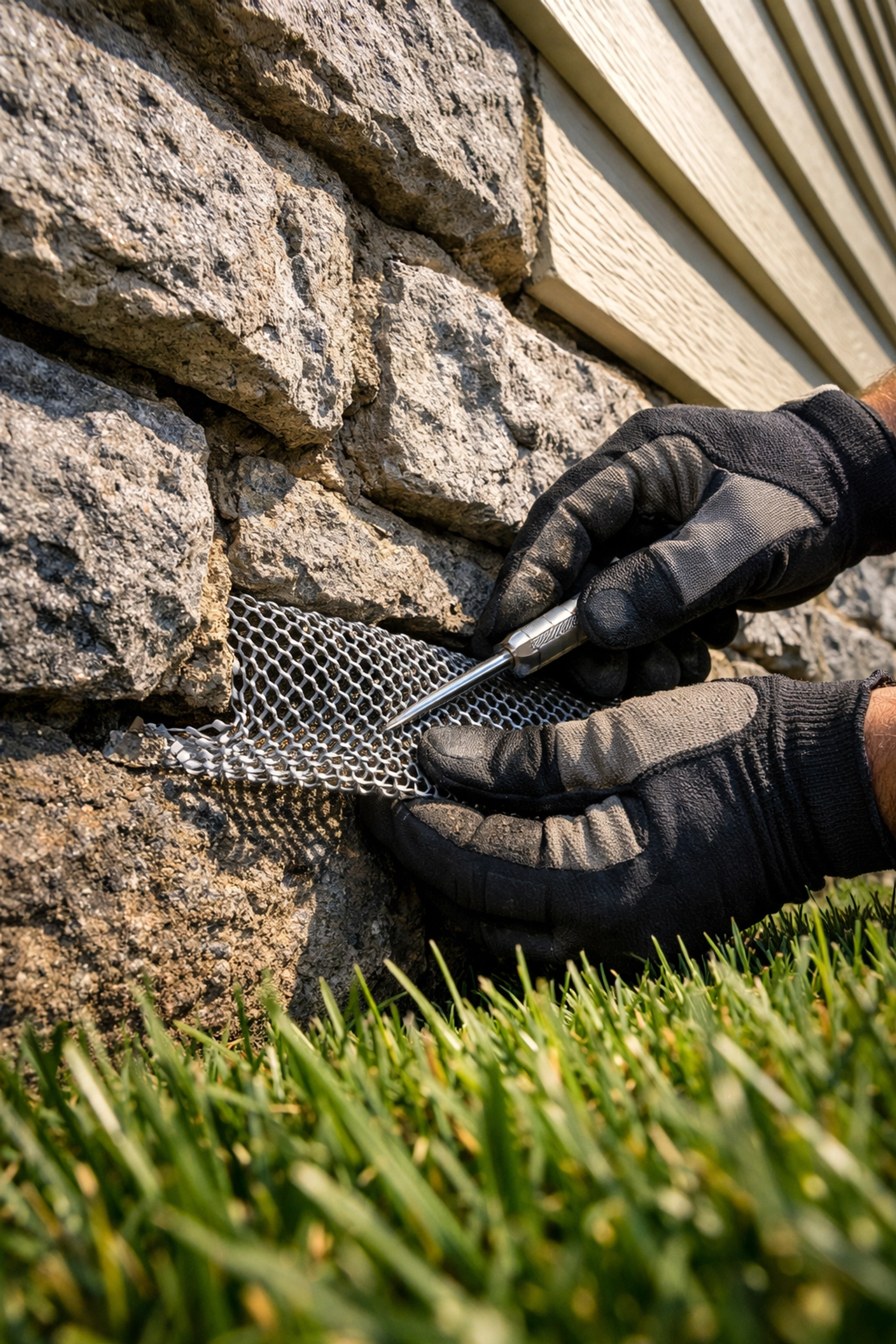
Reliable pest control is as much about construction as it is about biology. Structural exclusion involves sealing the "entry points" that pests use to gain access to your home. Rodents, such as the Norway rat (Rattus norvegicus), can squeeze through openings as small as half an inch (12.7 mm).
An expert exterminator in Westchester will conduct a thorough audit of your property’s perimeter, identifying gaps in foundations, eaves, and utility penetrations. By physically barring entry, the reliance on rodenticides is reduced, creating a more sustainable and safe environment.
6. Safety and EPA-Approved Protocols
The chemicals used in modern pest management are highly regulated. Reliable companies use only EPA-approved products and follow strict "label is the law" protocols. This is particularly important for households with young children, elderly residents, or pets.
Professional-grade solutions are designed to be targeted. Instead of broad-spectrum applications that can harm beneficial insects, modern formulations focus on the specific physiology of the target pest. This precision ensures that your home remains a safe sanctuary while remaining a hostile environment for invaders.
7. The Necessity of 24/7 Availability
Pest emergencies do not adhere to a 9-to-5 schedule. The discovery of a wildlife intrusion or a sudden swarm of paper wasps (Polistes) requires immediate attention to prevent injury or property damage.
Reliability is defined by a company’s ability to respond to these urgent needs. When evaluating Westchester County pest control options, prioritize firms that offer emergency services. Rapid response times are critical in mitigating the economic damage and psychological stress associated with a sudden infestation.
8. Humane Wildlife Management
Westchester’s proximity to wooded areas means that larger pests, such as raccoons, opossums, or flying squirrels, frequently seek shelter in attics and crawlspaces. Handling these animals requires a specialized set of skills and a commitment to humane practices.
Professional wildlife removal involves live-trapping and relocation or exclusion techniques that allow the animal to exit the structure without being harmed. This approach respects the local biodiversity while ensuring that your home’s structural integrity is maintained.

9. Proven Experience and Reputation
In the pest control industry, longevity is a primary indicator of reliability. A company that has operated in Westchester for years has developed an intimate knowledge of the local pest cycles and the specific challenges posed by the region’s architecture and climate.
Before committing to a service, check for a proven track record. High customer ratings and positive testimonials reflect a company’s ability to deliver on its promises. A reputable firm will also offer guarantees on their work, providing peace of mind that the solution is permanent.
10. Economic Impact of Neglect
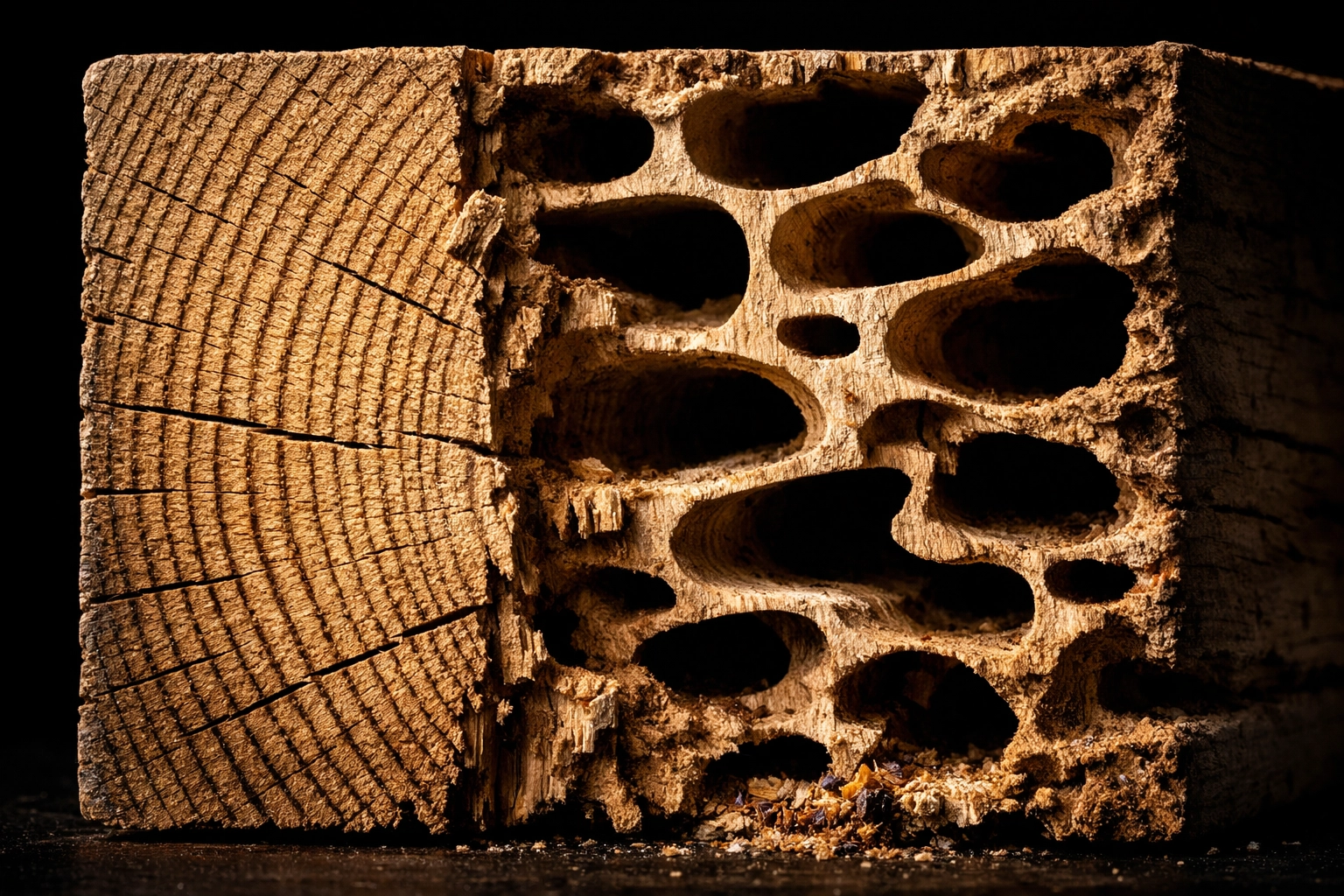
Finally, it is important to view professional pest control as an investment rather than an expense. The economic damage caused by wood-destroying organisms like termites or carpenter ants can reach thousands of dollars in structural repairs. Similarly, the contamination of food supplies by rodents or fruit flies can result in significant financial loss and health risks.
By employing a professional Westex Pest Management expert, you are implementing a proactive defense strategy. This "protection of family and home" is a fundamental necessity in the modern suburban environment.
The Westex Standard of Excellence
At Westex Pest Management, we recognize that our work is a vital service to the Westchester community. We view pest control through the lens of public health and safety, applying clinical precision to every task we undertake. From the smallest silverfish to the most complex commercial rodent control program, we bring a level of professional gravity and technical expertise that is unmatched in the region.
Don't wait for a small problem to become a public health hazard in your home. Ensure your property is protected by the experts who understand the unique ecological landscape of our county.
Protect your home today. Contact Westex Pest Management for a comprehensive inspection and guaranteed pest control solutions.