
White Plains, New York, serves as the vibrant commercial and geographic heart of Westchester County. With its bustling transit hubs, high-density residential complexes, and a constant flow of commuters traveling to and from New York City, the city presents a unique set of environmental challenges for public health and domestic hygiene. Among these challenges, the resurgence of the common bed bug (Cimex lectularius) remains one of the most significant burdens for local property owners.
As a premier urban center, White Plains provides an ideal environment for these resilient parasites to thrive. Bed bugs are wingless, hemipterous insects that have evolved specifically to coexist with human populations, feeding exclusively on blood. While they are not known biological vectors for disease transmission in the same manner as mosquitoes or ticks, their presence constitutes a significant public health concern, causing dermatological distress, severe allergic reactions, and profound psychological trauma for those living within infested environments.
The management of Cimex lectularius is a task of enormous responsibility. Unfortunately, many homeowners, driven by the urgency of the situation, attempt to resolve infestations through misguided DIY methods. These errors often exacerbate the problem, leading to the spread of the colony and increased economic damage. At Westex Pest Management, we view pest control as a matter of safety and community health. To protect your family and home, it is essential to recognize and avoid the following common bed bug mistakes.
1. Relying on Over-the-Counter (OTC) Chemical Sprays
One of the most frequent errors made by White Plains residents is the immediate purchase of "bug bombs" or retail-grade insecticide sprays. While these products may claim to kill bed bugs on contact, they are often counterproductive in a residential setting.
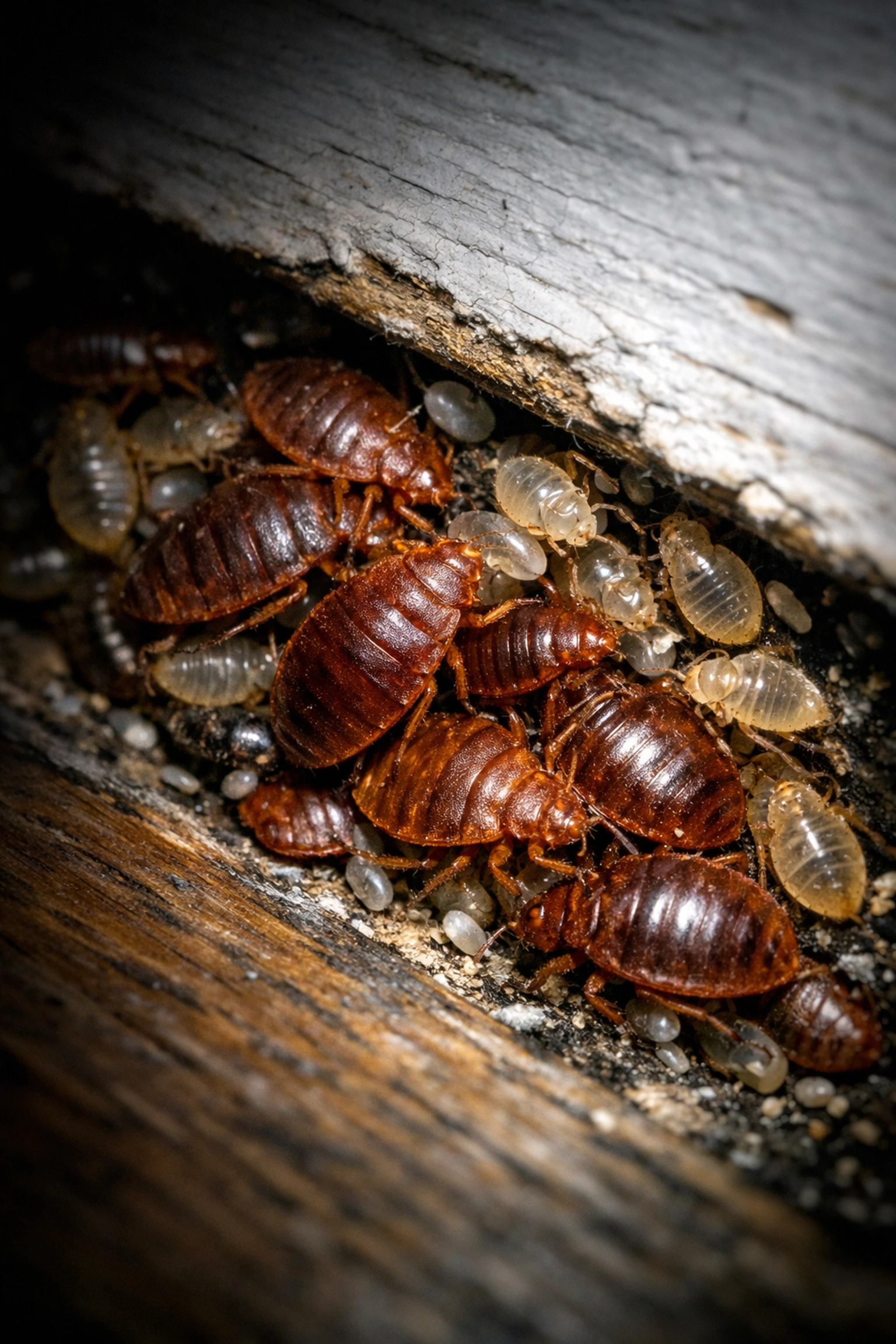
Bed bugs are notorious for their ability to develop physiological resistance to pyrethroids, the active ingredients found in most consumer-level sprays. Furthermore, these chemicals often act as repellents rather than lethal agents. When a homeowner sprays a baseboard or a mattress, the surviving insects detect the toxin and retreat deeper into wall voids, electrical outlets, and structural crevices. This "scattering" effect transforms a localized infestation into a systemic one, making professional bed bug services far more complex and time-consuming.
2. The Misconception of "Room Hopping"
When an infestation is discovered in a bedroom, the natural human instinct is to flee. Many homeowners move to the living room sofa or a guest suite to avoid being bitten. Scientifically, this is one of the most detrimental actions a resident can take.
Cimex lectularius is a highly sophisticated hitchhiker. They are attracted to the carbon dioxide (CO2) and kairomones emitted by a sleeping host. When you move to a different room, the bed bugs will eventually track your heat signature and CO2 trail, migrating through the walls or across carpets to find their food source. By moving your sleeping location, you are effectively "leading" the infestation throughout your entire home. Maintaining your original sleeping quarters and seeking immediate professional assistance is the only way to contain the spread.
3. Premature Disposal of Furniture and Belongings
There is a common, expensive myth that an infested mattress or sofa must be thrown away. In reality, most furniture can be successfully decontaminated through professional thermal remediation or precision chemical applications.
Discarding a mattress without proper sealing is a public health hazard. As the item is moved through the hallway and out of the house, eggs (which are approximately 1 millimeter in length and nearly transparent) and nymphs can fall off, infesting common areas or neighboring units in multi-family housing. If an item truly cannot be salvaged, it must be encased in heavy-duty plastic and labeled as "Bed Bug Infested" to prevent others from scavenging the item and continuing the cycle of infestation within the White Plains community.
4. Improper Vacuuming and Laundry Protocols
Sanitation is a critical component of integrated pest management, but if performed incorrectly, it can contribute to the problem.
- Vacuuming Mistakes: Using a vacuum without a HEPA filter or failing to immediately seal and discard the vacuum bag can allow bed bugs to escape back into the home.
- Laundry Errors: Transporting infested linens through the house in an open basket is a primary vector for spreading the insects. All bedding and clothing should be placed in dissolvable or sealed plastic bags at the site of the infestation and taken directly to the dryer.
Research from academic institutions indicates that heat is the most effective way to eliminate all life stages of the bed bug. To ensure a 100% mortality rate, items must be dried on high heat (at least 120°F or 49°C) for a minimum of 30 minutes. Cold or lukewarm water washes are insufficient to neutralize eggs or adults.

5. Attempting DIY Heat Treatments
Professional heat treatment is a highly controlled process involving industrial heaters and specialized sensors to ensure that every "cold spot" in a structure reaches the lethal temperature threshold.
Some homeowners attempt to replicate this by using space heaters or cranked-up thermostats. This is not only ineffective: as bed bugs will simply hide in the insulation or cooler wall voids: but it is also an extreme fire hazard. True thermal remediation requires precision engineering to ensure the safety of the structure while guaranteeing the eradication of the pest.
The Technical Reality: Why Early Detection is Mandatory
The biology of the bed bug makes it a formidable opponent. A single female can lay up to 500 eggs in her lifetime, and in a temperate climate like White Plains, a population can double every 16 days.
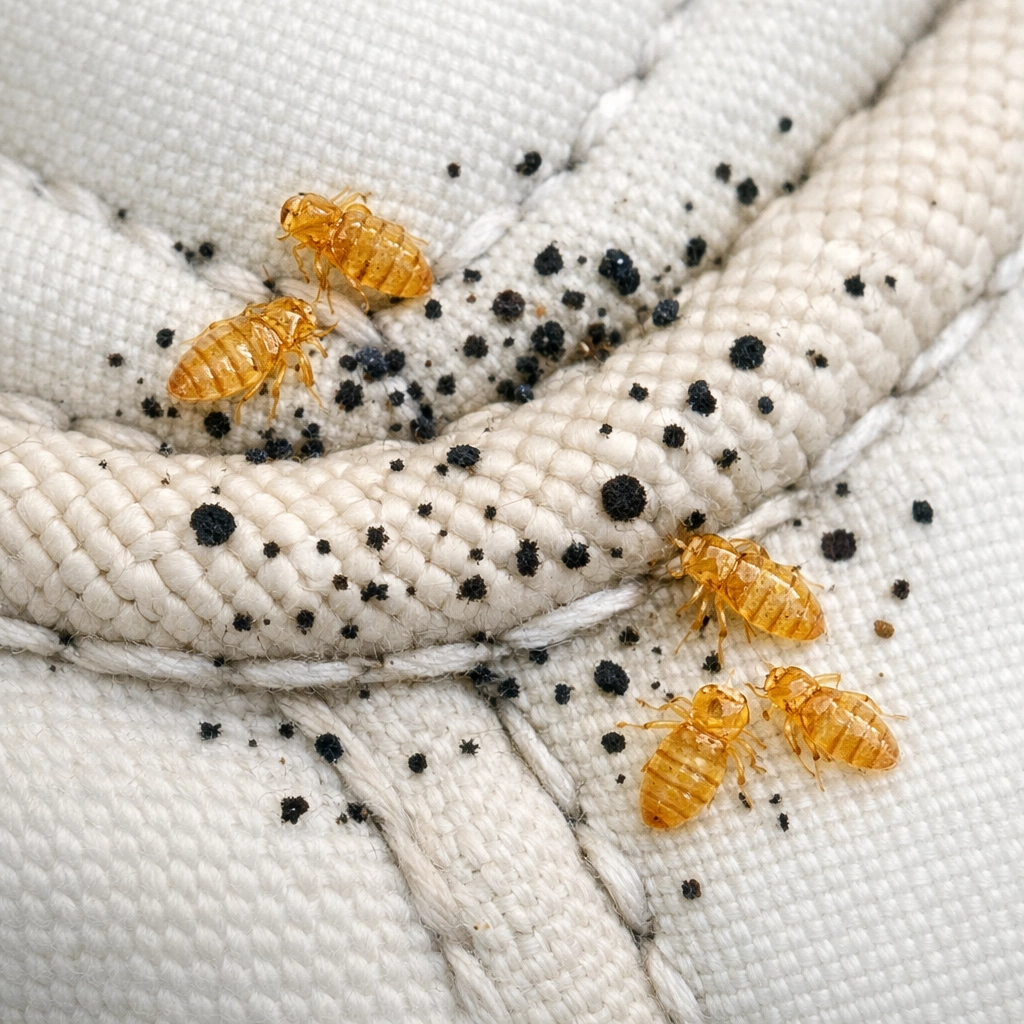
Identifying the early signs of an infestation is a necessity for the protection of your household. Homeowners should look for:
- Fecal Spotting: Small, dark brown or black spots (digested blood) on sheets or mattresses.
- Exuviae: The cast-off skins of nymphs as they progress through their five molting stages.
- Live Specimens: Adult bed bugs are roughly the size of an apple seed (5–7 mm), oval-shaped, and reddish-brown.
If you observe these signs, do not wait. The economic damage to your property and the potential for psychological distress increase exponentially with every passing day.
Protecting the White Plains Community
At Westex Pest Management, we recognize that our work is a vital service in maintaining the public health standards of Westchester County. We approach every bed bug case with clinical precision and a commitment to the safety of your family. Our technicians are trained in the latest industry standards to ensure that your home is returned to a state of hygiene and security.
For more information on how we handle these complex infestations, you can read our latest articles and updates or see what our neighbors are saying on our testimonials page.
Guaranteed Results for Your Home
Don't let the stress of a bed bug infestation compromise your quality of life. We offer specialized solutions tailored to the unique architecture of White Plains homes and apartments.
Take Action Today:
- Visit our coupons page for current service offers.
- Explore our full range of pest control services for White Plains.
- Contact Westex Pest Management for a comprehensive inspection and a guaranteed treatment plan.
The protection of your home is a huge responsibility, and it is one we take seriously. By avoiding these common mistakes and partnering with experts, you can ensure that your living environment remains safe, healthy, and pest-free.