
Westchester County is renowned for its picturesque landscapes, sprawling preserves, and lush residential greenery. However, this same environmental richness presents a significant public health challenge. As temperatures rise and residents spend more time outdoors, the threat posed by various tick species: most notably the black-legged tick (Ixodes scapularis): reaches a critical peak.
Managing the tick population in a suburban-woodland interface is an enormous task and a huge responsibility. It is not merely a matter of convenience or comfort; it is a fundamental issue of public health and hygiene. According to the Centers for Disease Control and Prevention (CDC), tick-borne illnesses are on the rise, with New York State consistently reporting some of the highest incidences of Lyme disease in the nation. For homeowners, understanding the technical realities of tick biology and avoiding common prevention pitfalls is essential for the safety of families and pets.
The Biological Reality of Westchester Ticks
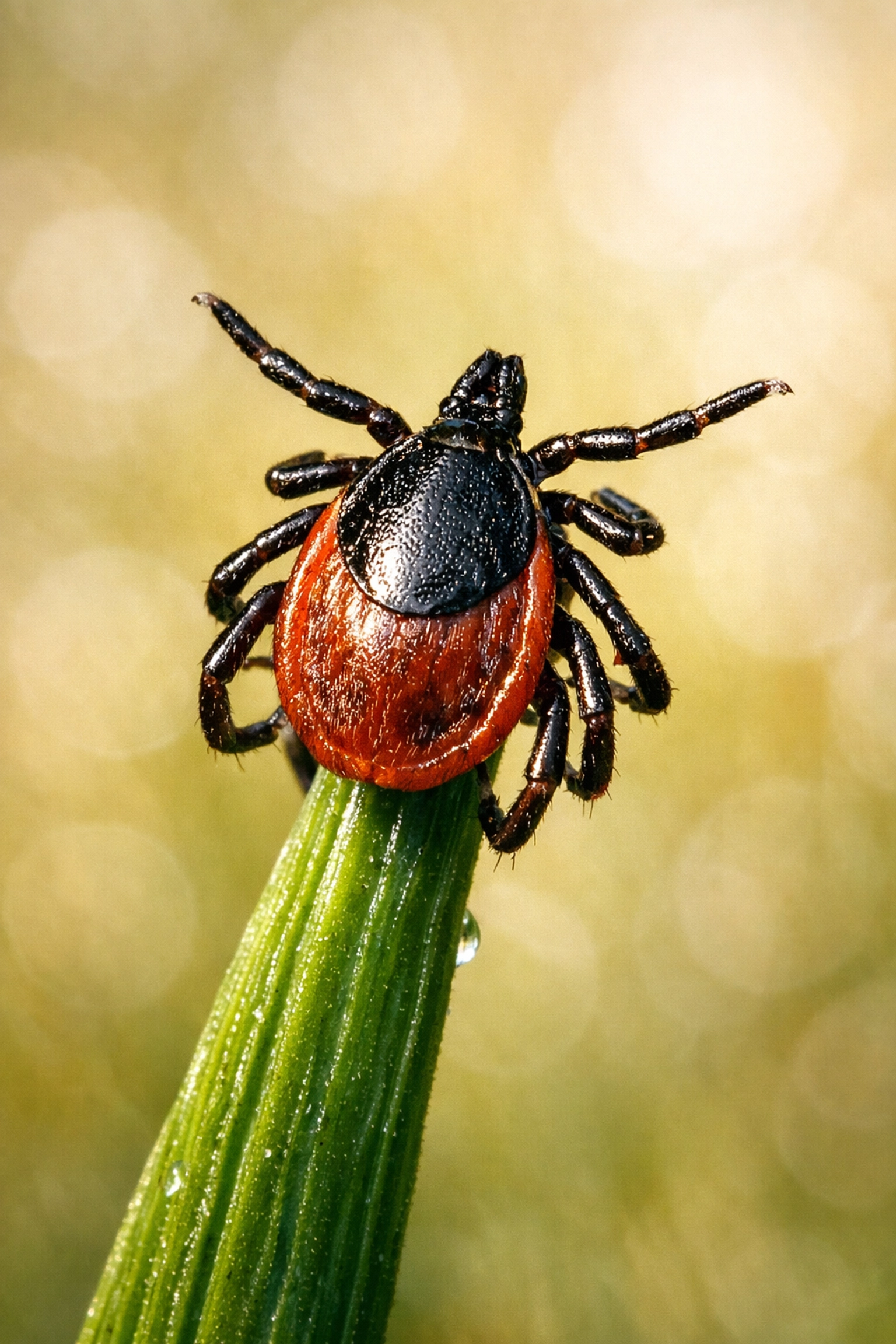
Before addressing prevention mistakes, one must understand the specific vectors present in our region. The primary concern for Westchester residents is the black-legged tick (Ixodes scapularis), often referred to as the deer tick. In its nymphal stage, this arachnid is approximately the size of a poppy seed (1.1 to 1.8 mm), making it nearly impossible to detect without a diligent search.
In addition to Ixodes scapularis, the Lone Star tick (Amblyomma americanum) has seen an expanded range into Southern New York. This species is known for transmitting Ehrlichia chaffeensis and is associated with the development of Alpha-gal syndrome, a serious red-meat allergy.
Quantifiable Risks and Disease Transmission
The stakes involved in tick management are high. Consider the following statistics and clinical facts:
- Transmission Window: While it often takes 36 to 48 hours of attachment for the Lyme disease bacterium (Borrelia burgdorferi) to transmit, other pathogens, such as the Powassan virus, can be transmitted in as little as 15 to 30 minutes.
- Infection Rates: In certain parts of the Hudson Valley, research indicates that up to 50% of adult black-legged ticks carry the Lyme bacterium.
- Economic Impact: The average cost of treating a single case of Lyme disease, including diagnostic testing and long-term complications, can range into thousands of dollars per patient.
Common Mistake #1: The "Seasonal" Fallacy
One of the most frequent errors made by property owners is the assumption that tick prevention is only necessary during the peak of summer. In reality, adult Ixodes scapularis are active any time the temperature is above freezing (32°F or 0°C), though they become significantly more mobile once temperatures exceed 45°F.
Many homeowners stop their pest control westchester county ny routines in October, thinking the threat has passed. However, adult ticks are highly active in the leaf litter during the fall and early spring. Failing to maintain a year-round prevention mindset leaves a window of vulnerability during the months when ticks are searching for a final blood meal before winter or emerging early to lay eggs.
Common Mistake #2: Mismanaging the "Edge Habitat"
The "edge habitat": the transition zone where your manicured lawn meets woods, tall grass, or ornamental planting beds: is the highest-risk area of any Westchester property. Ticks are highly susceptible to desiccation (drying out) and require high humidity to survive. They rarely inhabit the center of a dry, sun-exposed lawn.
Many residents focus their DIY spraying efforts on the center of the grass, completely missing the areas where 90% of ticks reside. To effectively manage your yard, you must address:
- Leaf Litter Accumulation: Fallen leaves provide the perfect humid microclimate for ticks to survive the winter.
- Woodpiles: These attract the white-footed mouse (Peromyscus leucopus), which is the primary reservoir for Lyme disease. Ticks larval and nymphal stages feed on these rodents, picking up pathogens before moving on to human hosts.
- Inadequate Buffers: A professional-grade approach involves creating a 3-foot wide physical barrier of wood chips or gravel between the lawn and wooded areas. This creates a dry zone that ticks are reluctant to cross.

Common Mistake #3: Relying on Ineffective DIY Remedies
In an attempt to be environmentally conscious or to save costs, many homeowners turn to "natural" home remedies such as dish soap sprays, garlic oil, or essential oils. While some of these may have a mild, short-term repellent effect, they lack the residual stability and technical efficacy required to protect a property against a high-density tick population.
Furthermore, many "big box" store pesticides are formulated with lower concentrations of active ingredients or lack the specialized surfactants needed to penetrate deep into the leaf litter where ticks hide. When homeowners attempt DIY applications, they often fail to achieve the necessary coverage, leading to a false sense of security. At Westex Pest Management, we view exterminators westchester county work as a clinical application of science, using EPA-registered materials that are specifically targeted to the tick life cycle without compromising the safety of your home environment.
Common Mistake #4: Improper Personal Protection and Post-Outdoor Care
Even the most well-treated yard cannot be a 100% sterile environment. Ticks can be dropped into "safe" zones by birds or wandering deer.
- Failure to use Permethrin: Many people use DEET on their skin, which is effective for mosquitoes but less so for ticks. Treating clothing, especially shoes and socks, with 0.5% Permethrin is a scientifically proven method to kill ticks on contact.
- The "Shower Delay": Research from the Yale School of Public Health suggests that showering within two hours of coming indoors significantly reduces the risk of Lyme disease. It allows you to wash off unattached ticks and provides a dedicated time for a thorough tick check.
- Incorrect Removal: If a tick is found, many still resort to "folk" methods like using a hot match or petroleum jelly. These methods are dangerous as they can traumatize the tick, causing it to regurgitate its stomach contents (and pathogens) into the host. The only medically sound method is using fine-tipped tweezers to grasp the tick as close to the skin as possible and pulling upward with steady, even pressure.

The Professional Advantage: Integrated Tick Management
Protecting a home in Westchester County requires a sophisticated strategy known as Integrated Pest Management (IPM). This goes beyond simple spraying and involves a comprehensive assessment of the property's ecology. Professional pest control westchester county ny services provide:
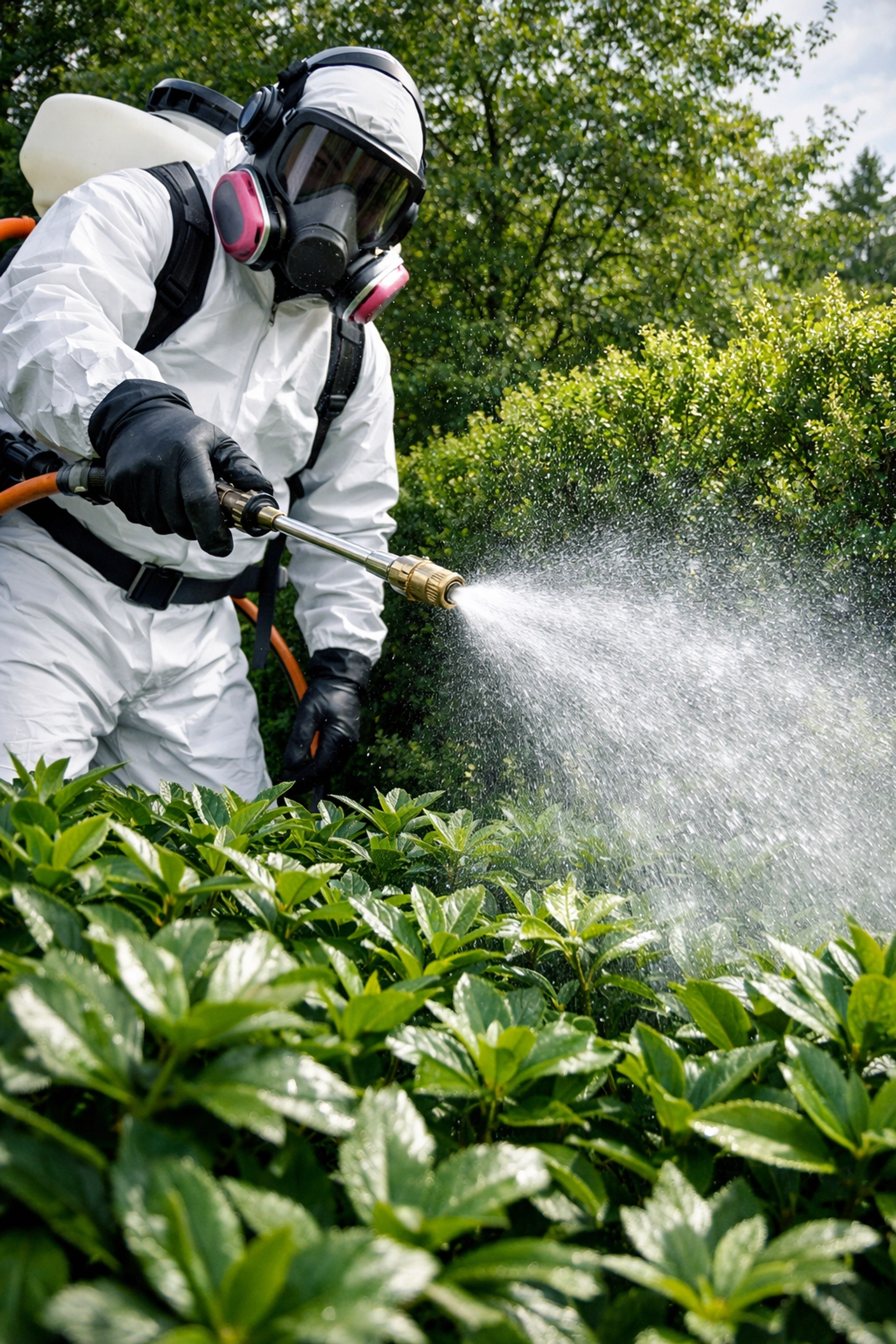
- Precision Perimeter Treatments: Targeted applications to the "edge habitat" and known tick hot spots using high-pressure equipment that ensures the product reaches the base of the vegetation.
- Rodent Targeted Systems: Utilizing tick tubes or bait stations that treat the primary host: the white-footed mouse: with a small amount of tickicide, killing the ticks on the host before they ever reach your family.
- Expert Identification: Understanding the difference between a dog tick (Dermacentor variabilis) and a black-legged tick is crucial for assessing disease risk.
For more information on identifying other common pests that may inhabit your property during the warmer months, you can review our technical guides on bed bugs or paper wasps.
Guaranteeing Safety through Technical Expertise
The responsibility of maintaining a healthy home environment is significant. Ticks are not merely a nuisance; they are complex biological vectors capable of altering lives through chronic illness. By avoiding common DIY mistakes: such as ignoring the edge habitat, stopping treatments too early, or using unproven home remedies: you take the first step in effective prevention.
However, the most reliable way to ensure a tick-free environment is through professional-grade monitoring and intervention. We invite Westchester residents to view our services or check our latest coupons to see how we can implement a clinical, effective barrier around your home.
Final Technical Summary for Westchester Residents
- Property Assessment: Look for "micro-climates" of high humidity (shaded areas, dense ground cover like Pachysandra).
- Host Management: Discourage deer and rodents by removing bird feeders or securing trash.
- Mechanical Controls: Keep grass mowed to 3 inches or less and prune low-hanging branches to increase sunlight penetration.
- Clinical Intervention: Engage with exterminators westchester county who understand the specific seasonal surges of Ixodes scapularis.
For further updates on pest trends and public health advisories in the New York area, visit our articles and updates page. Your home is your sanctuary; protecting it from the silent threat of ticks is a necessity we are prepared to help you manage with the highest level of professional gravity.