
Westchester County is renowned for its picturesque landscapes, ranging from the dense woodlands of Pound Ridge to the manicured suburban lawns of Scarsdale and White Plains. However, this aesthetic beauty masks a significant biological risk that has become a matter of public health and safety. As we move further into the 2020s, the environmental conditions of the Northeast have undergone a perceptible shift, resulting in a tick season that is no longer confined to the traditional summer months.
For homeowners, understanding the timing and biological activity of the black-legged tick (Ixodes scapularis): commonly known as the deer tick: is no longer a matter of seasonal convenience. It is a fundamental requirement for the protection of family and home. At Westex Pest Management, we view the early emergence of ticks not merely as a nuisance, but as a public health imperative that requires professional-grade intervention.
The Shifting Biological Clock: Why April is the New May
Historical data once suggested that tick activity in the Hudson Valley peaked in late May and June. However, recent ecological studies and climate data indicate a significant advancement in the lifecycle of these arachnids. Research conducted by major northeastern ecosystem institutions reveals that nymphal ticks have gradually become active approximately three-and-a-half weeks earlier than in previous decades. In Westchester, this means emergence is now regularly documented in late April.
This shift is largely attributed to shorter, milder winters and an earlier onset of spring temperatures. Hospitals across Westchester County have already begun reporting tick bite cases in early spring: encounters that were traditionally reserved for the heat of June. When the ground temperature consistently stays above 45 degrees Fahrenheit, Ixodes scapularis begins its questing behavior, seeking a blood meal from mammals, including humans and household pets.

Westchester County: A National Epicenter for Vector-Borne Disease
The geographical stakes for Westchester residents are exceptionally high. The Northeast United States currently accounts for nearly 90% of all reported Lyme disease cases in the country. Within this region, Westchester County remains a primary vector zone.
The statistics surrounding tick-borne illnesses are sobering. It is estimated by public health authorities that Lyme disease is significantly under-diagnosed. In Westchester, some researchers suggest that only 1 out of every 10 actual cases is officially reported to health departments. This discrepancy creates a false sense of security for many residents.
Beyond Lyme disease, the local tick population is also responsible for the transmission of other serious pathogens, including:
- Anaplasmosis: A bacterial infection that can cause fever, chills, and severe muscle aches.
- Babesiosis: A parasitic infection that attacks red blood cells, which can be life-threatening for those with compromised immune systems.
- Powassan Virus: A rarer but much more severe viral infection that can cause encephalitis (inflammation of the brain) and meningitis.
Framing pest control in Westchester as a "luxury service" ignores these clinical realities. Professional tick management is a critical barrier between these pathogens and your family.
The Technical Challenge: The Nymph Stage
The primary reason for the early-season urgency is the emergence of nymphal-stage ticks. While adult ticks are active in the fall and early spring, the nymphs: the immature stage of the tick: are the most dangerous to humans.
From a technical perspective, the nymphal tick is a master of concealment. Measuring between 1 to 2 millimeters (roughly the size of a poppy seed), they are nearly impossible for the average person to detect during a casual visual inspection. Because they are so small, they often go unnoticed for the 24 to 48 hours required to transmit the Borrelia burgdorferi bacteria (the causative agent of Lyme disease).
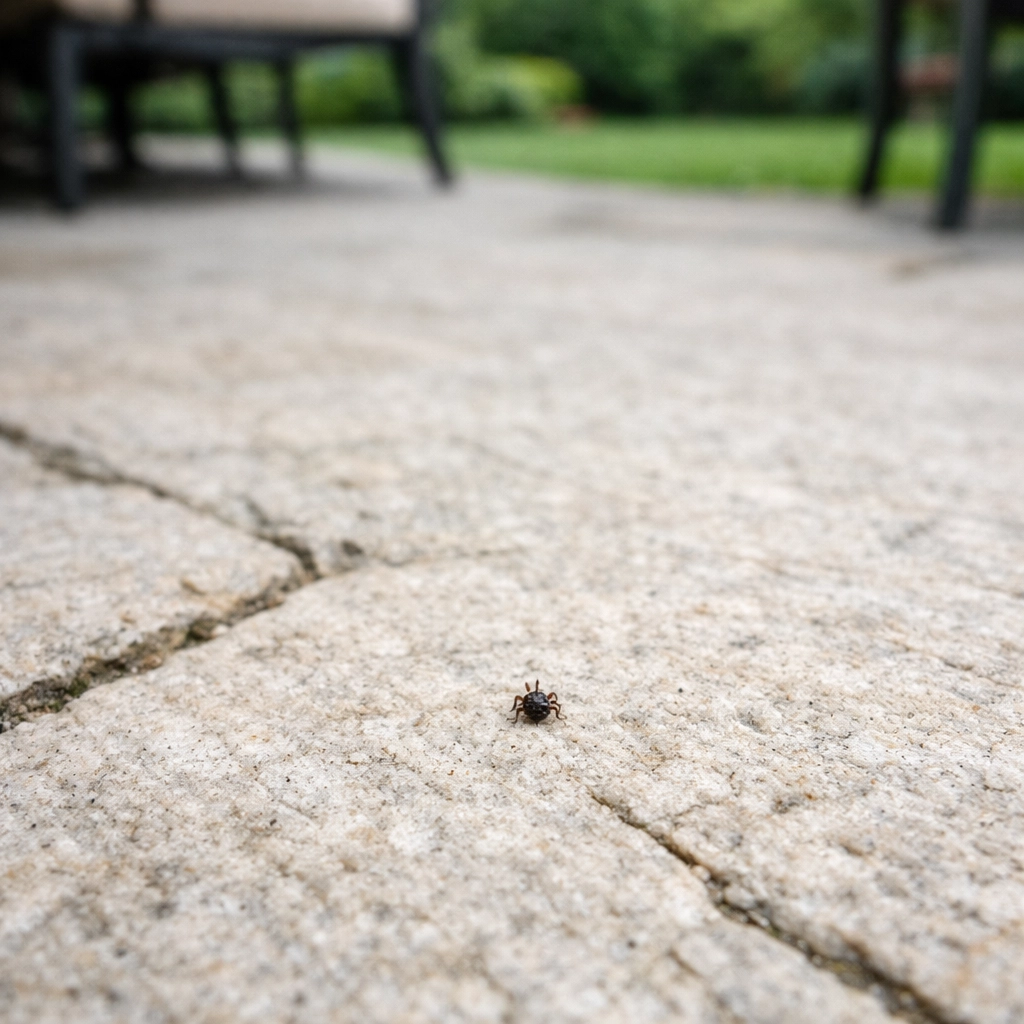
Starting a prevention program early allows an exterminator in Westchester, NY, to target these nymphs before they have the opportunity to quest in the high-traffic areas of your property, such as deck perimeters, play sets, and patio edges.
The Enormous Responsibility of Property Management
Maintaining a tick-free environment in a county as lush as Westchester is an enormous task. Ticks do not travel long distances on their own; they are transported onto your property by hosts. The high density of white-tailed deer and white-footed mice in our region creates a constant influx of new biological threats.
A professional approach to tick control involves more than just a single application of product. It requires a sophisticated understanding of Integrated Pest Management (IPM). This includes:
- Landscape Analysis: Identifying "hot zones" such as stone walls, leaf litter, and woodpiles where ticks and their hosts congregate.
- Barrier Treatments: Establishing a professional-grade perimeter that prevents ticks from migrating from the wooded edges of a property into the "safe zones" of the lawn.
- Host Targeted Strategies: Addressing the rodents that carry ticks into the yard, ensuring the lifecycle is interrupted at multiple points.
For those looking to secure their property, checking our coupons can provide an accessible entry point into a comprehensive safety plan.
The Public Health Necessity of Professional Grade Solutions
Many homeowners attempt to manage tick populations using over-the-counter (OTC) sprays. However, OTC products often lack the residual efficacy and the specialized delivery systems required to penetrate the dense foliage and leaf litter where ticks thrive.
When Westex Pest Management handles a property, we take on the "huge responsibility" of protecting that household. Our technicians are trained in the specific migratory patterns of Westchester’s tick species. We utilize professional-grade equipment that ensures even coverage, reaching the underside of leaves and deep into the thatch layer of the turf where nymphs hide from the sun to prevent desiccation.
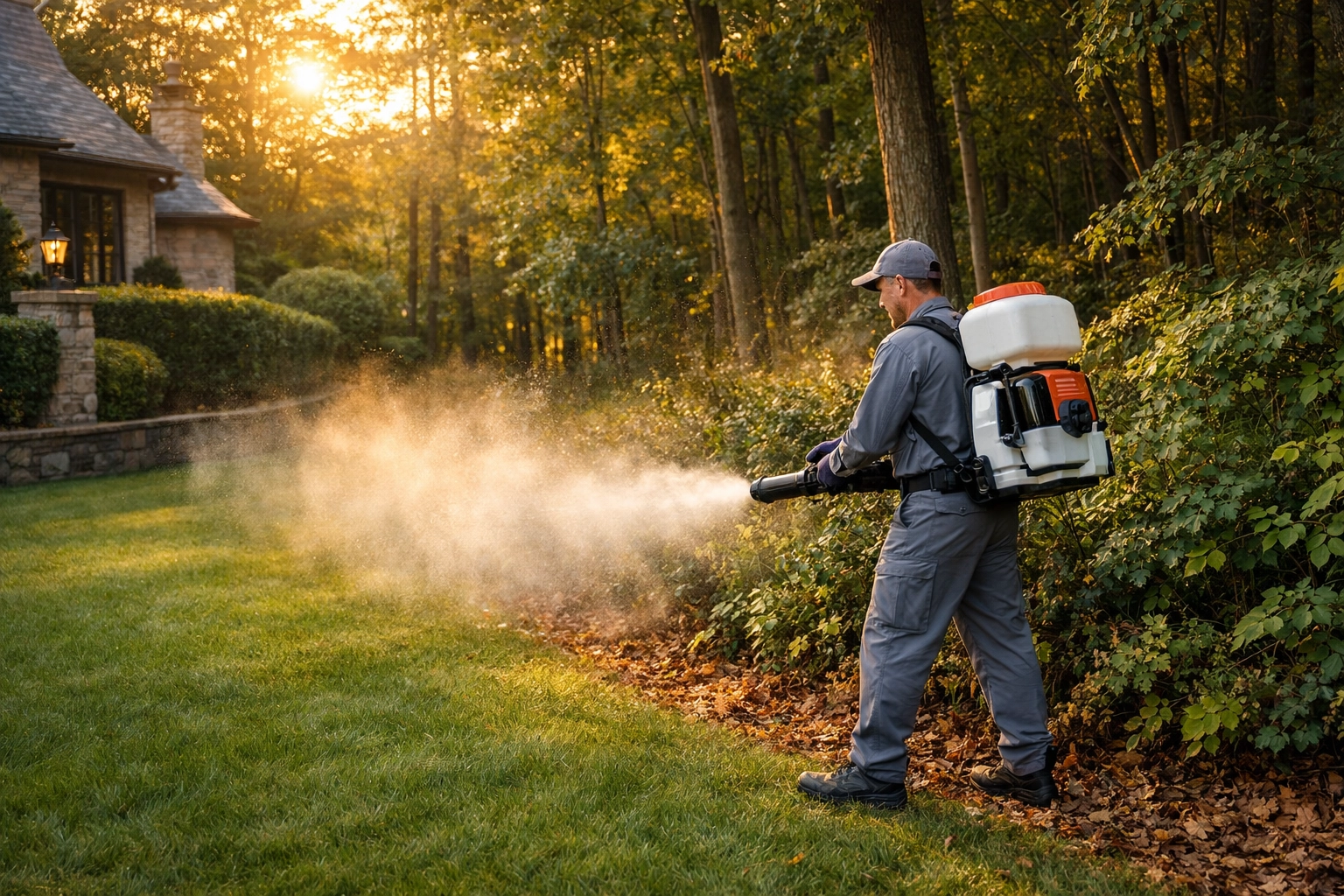
Furthermore, the "guaranteed" nature of professional service provides peace of mind that a DIY approach cannot offer. If you are experiencing issues with other pests that might be contributing to an unhealthy home environment: such as bed bugs or american cockroaches: integrating these into a total home protection plan is the most efficient way to ensure hygiene and safety.
Post-Treatment Lyme Disease Syndrome: A Real Risk
The clinical seriousness of ticks is highlighted by Post-Treatment Lyme Disease Syndrome (PTLDS). Even after a patient is treated with a standard course of antibiotics, some individuals experience lingering symptoms: including fatigue, pain, or joint and muscle aches: that can last for more than six months.
Because the long-term health consequences of a tick bite can be so debilitating, the "wait and see" approach to pest control is no longer viable. Vigilance must begin the moment the frost leaves the ground. Starting your tick program in March or April provides a "head start" that reduces the overall population density on your property before the peak activity months of May and June.
Take Action for Your Family's Safety
The protection of your family and home from vector-borne diseases is a necessity, not an afterthought. The shifting climate in Westchester County has created a longer, more dangerous window for tick exposure, and the responsibility to mitigate that risk falls on proactive property management.
At Westex Pest Management, we provide the technical expertise and professional-grade solutions required to keep your outdoor living spaces safe. From White Plains to Yonkers and beyond, we are committed to the public health and hygiene of our community.
Don't wait until you find a tick on a family member or a pet. Start your season with a professional barrier that works.
Contact Westex Pest Management today to schedule your early-season tick evaluation.
- Visit our Contact Us page.
- Explore our Services to see how we protect Westchester homes.
- Read our Articles and Updates for more pest prevention tips.
Secure your property now and enjoy the Westchester spring with the confidence that comes from professional protection.