
Westchester County is home to a sophisticated commercial landscape, ranging from the high-traffic retail corridors of White Plains to the picturesque waterfront bistros of Yonkers and Tarrytown. For the thousands of business owners operating within this region, maintaining a public-facing establishment involves navigating a complex web of regulatory requirements. Chief among these is the rigorous oversight of the Westchester County Department of Health (WCDOH).
A health inspection is not merely a bureaucratic hurdle; it is a clinical assessment of a facility’s ability to protect the public from foodborne illnesses and environmental hazards. The stakes are extraordinarily high. A single critical violation can lead to immediate fines, mandatory closures, and irreparable damage to a brand's reputation. In the digital age, inspection results are a matter of public record, often scrutinized by consumers before they even step through your door. To maintain operational continuity and ensure the safety of the community, businesses must move beyond reactive cleaning and adopt a proactive stance on hygiene and Commercial Pest Control.
The Regulatory Landscape of Westchester County
In Westchester, health inspections are designed to identify risks associated with the "Big Five" foodborne pathogens: Norovirus, Salmonella Typhi, Shigella, Shiga toxin-producing Escherichia coli, and Hepatitis A. However, the scope of an inspection extends far beyond microbiology. As of 2026, the WCDOH has implemented stricter requirements regarding manager certifications and allergen awareness.
Every food service establishment is required to have a certified food manager on-site during all hours of operation. This individual must possess a valid Food Manager’s Safety Protection Certification. Furthermore, all operators must now complete an approved Food Allergen Course to address the rising incidence of severe allergic reactions in the dining public. Failure to produce these certifications during an unannounced inspection constitutes a significant administrative pitfall that can trigger a downward trend in the facility’s overall rating.

Pest Management: The "Critical" Threshold
In the hierarchy of health inspection violations, the presence of pests is almost always classified as "Critical." This designation reflects the direct threat that vectors pose to public health and hygiene. Pests do not merely exist within a facility; they contaminate surfaces, transmit pathogens, and compromise the structural integrity of the building.
For businesses in Westchester, the most frequent offenders include:
- Rodents (Mus musculus and Rattus norvegicus): The House Mouse and the Norway Rat are primary vectors for Leptospirosis and Salmonellosis. Inspectors look for more than just live sightings; they look for "signs of activity," including droppings, gnaw marks, and sebum trails along baseboards.
- Cockroaches (Blattella germanica and Periplaneta americana): The German Cockroach is particularly insidious in commercial kitchens due to its rapid reproductive cycle and preference for warm, moist environments.
- Filth Flies (Musca domestica and Drosophila melanogaster): Both the House Fly and the Fruit Fly are indicators of underlying sanitation failures.
The presence of a single rodent or a sustained cockroach infestation is often grounds for immediate suspension of a health permit. This is where professional westchester county pest control becomes a vital component of a business's risk management strategy.
Identifying Vulnerabilities: The 1/4 Inch Rule
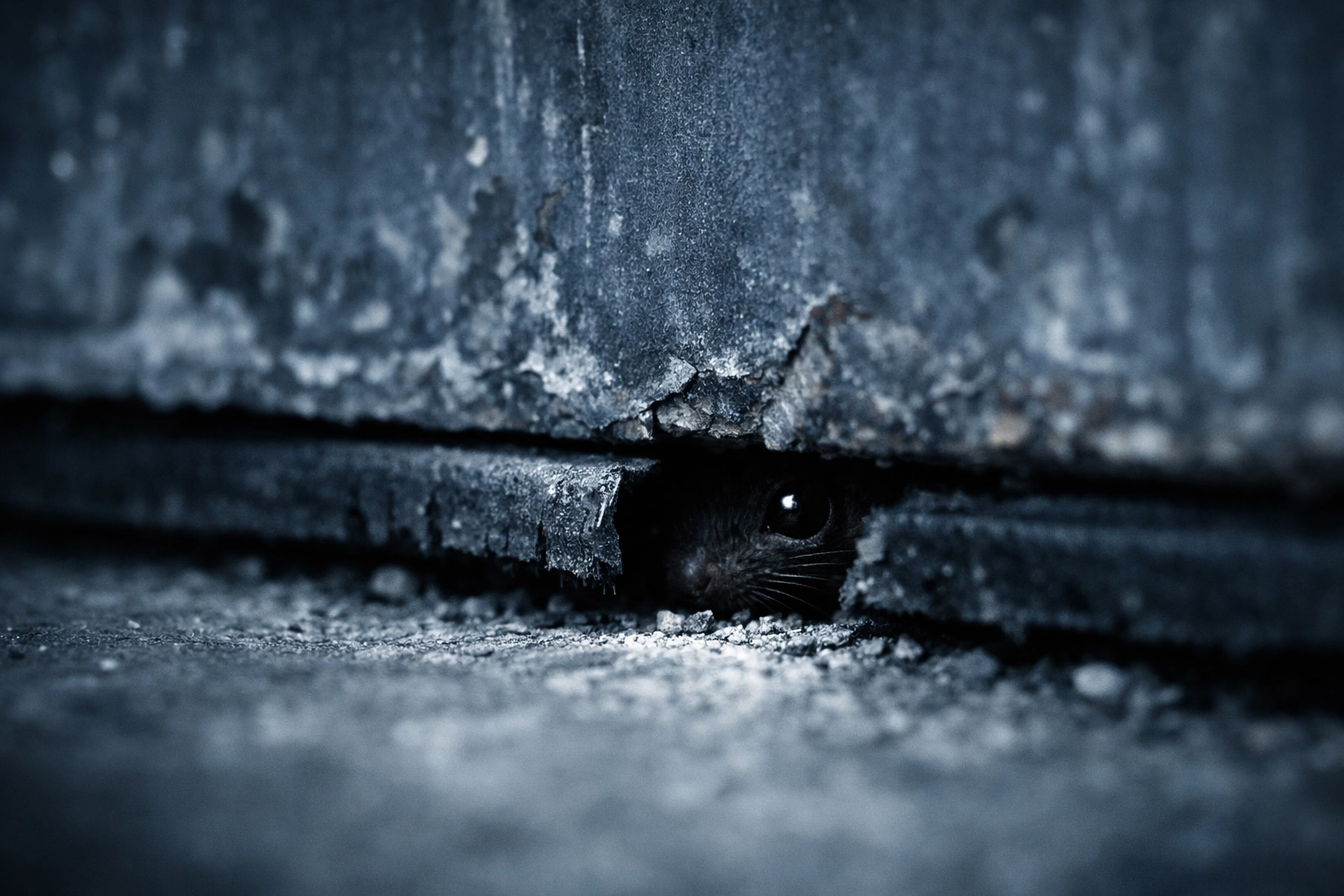
Technical precision is required to exclude pests from a commercial environment. Many Westchester businesses operate in historic or aging structures where structural gaps are common. It is a biological fact that a juvenile Mus musculus (House Mouse) can squeeze through an opening as small as 6.35 millimeters (1/4 inch): roughly the width of a standard pencil. A Rattus norvegicus (Norway Rat) requires only 12.7 millimeters (1/2 inch).
Inspectors will examine "back-of-house" areas, specifically looking for:
- Gaps under exterior doors (unsealed sweeps).
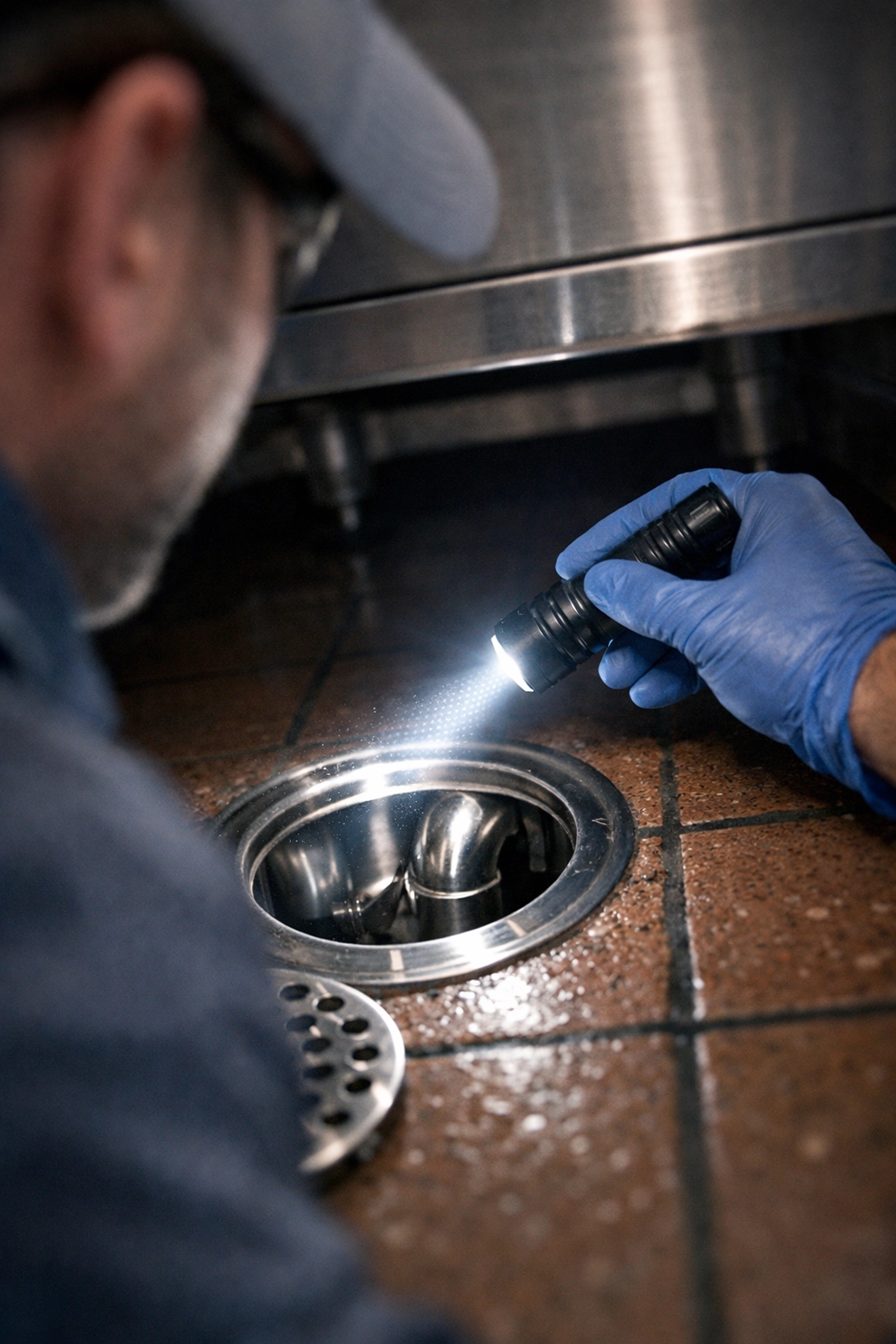
- Unscreened floor drains.
- Pipe penetrations in utility closets that lack proper escutcheon plates or sealant.
- Accumulated organic debris in "dead spaces" beneath heavy appliances.
Professional exclusion services focus on these specific measurements, using industrial-grade materials like stainless steel wool and copper mesh to ensure that the facility’s envelope remains impenetrable.
Sanitation and Temperature Control: The Foundation of Hygiene
While pest activity is a major pitfall, it is often a symptom of larger sanitation issues. During a routine inspection, the WCDOH official will utilize calibrated thermocouples to ensure that potentially hazardous foods (PHFs) are maintained at or below 5° Celsius (41° Fahrenheit) or at or above 60° Celsius (140° Fahrenheit).
Beyond temperature, hand hygiene remains a top priority. Handwashing sinks must be dedicated solely to that purpose and must be equipped with:
- Hot water at a minimum temperature of 38° Celsius (100° Fahrenheit).
- Liquid soap dispensed via a functional unit.
- Single-use paper towels or high-velocity air dryers.
A common pitfall is the "dual-use" of hand sinks: using them for dumping mop water or rinsing bar rags. This cross-contamination is a red flag for inspectors, signaling a breakdown in food safety culture.
The Critical Role of Documentation and IPM
In the eyes of a health inspector, if a task was not documented, it was not performed. Maintaining an organized, up-to-date Integrated Pest Management (IPM) logbook is one of the most effective ways to avoid inspection pitfalls.
A professional IPM folder should include:
- A valid copy of the pest control company’s business license and technician certifications.
- Detailed service reports outlining findings and actions taken.
- Pesticide usage logs (including EPA registration numbers and active ingredient concentrations).
- Trend analysis reports that track pest activity over time.
- An updated site map indicating the placement of all monitoring stations and mechanical traps.
By presenting a comprehensive documentation binder at the start of an inspection, a business owner demonstrates a commitment to professional-grade monitoring and public health. This transparency often builds rapport with the inspector, showing that the establishment takes its "enormous task" of public safety seriously.
Common Pitfalls in Commercial Pest Prevention
Many businesses attempt to manage pest issues through "off-the-shelf" solutions, which often lead to inspection failures. DIY methods frequently rely on repellent sprays that may scatter an infestation rather than eliminate it, or the use of unapproved baits in food-handling areas.
- Over-reliance on Chemical Sprays: In a commercial kitchen, the use of aerosolized pesticides near food preparation surfaces is a major violation.
- Neglecting the Exterior: Pest issues often begin outside. Overgrown vegetation, improperly managed dumpsters, and standing water provide the harborage and hydration necessary for pest populations to thrive before they migrate indoors.
- Ignoring Non-Food Pests: While the focus is often on cockroaches, the presence of Bed Bugs in a retail or hospitality setting: though not always a food safety violation: can trigger secondary inspections and severe public relations fallout.
The Westex Solution: Protecting Westchester’s Public Health
Navigating the complexities of health inspections requires more than just a cleaning crew; it requires a partnership with experts who understand the intersection of biology and regulation. At Westex Pest Management, we view our role as an extension of your business’s commitment to safety and excellence.
Our Commercial Pest Control programs are designed specifically for the unique challenges of Westchester County establishments. We don't just "treat for bugs"; we provide a clinical, data-driven approach to pest exclusion and sanitation. We focus on the protection of your facility, your staff, and most importantly, the customers who trust you.
A failed health inspection is a preventable catastrophe. By addressing structural vulnerabilities, maintaining rigorous sanitation standards, and partnering with professional pest management experts, Westchester businesses can ensure they remain compliant and successful.
If you are concerned about your upcoming inspection or want to elevate your current standards of hygiene, explore our specialized services or check our latest articles and updates for more technical insights into maintaining a pest-free commercial environment. Protecting the public health of our community is a huge responsibility: one we are prepared to help you meet with guaranteed results.

For businesses looking to proactively secure their premises, Westex Pest Management offers comprehensive audits and customized IPM plans. Don't wait for the inspector's knock to find out where your vulnerabilities lie. Take the necessary steps today to ensure your Westchester business remains a pillar of safety and quality in our picturesque landscape. Check out our coupons for introductory commercial assessments.