
Westchester County, encompassing approximately 450 square miles of diverse terrain: from the densely populated urban corridors of Yonkers and Mount Vernon to the sprawling, wooded estates of Bedford and North Salem: presents a unique and formidable ecological challenge for property owners. The convergence of historical architecture, affluent suburban landscapes, and proximity to major waterways creates a high-pressure environment for pest proliferation. In this region, pest management is far more than a seasonal inconvenience; it is a vital pillar of public health and hygiene.
Choosing an exterminator in this competitive landscape requires an analytical approach. Homeowners are not simply hiring a service provider; they are appointing a guardian for their property’s structural integrity and their family’s biological safety. This responsibility is an enormous task that involves mitigating risks associated with pathogens, structural degradation, and invasive species. To assist in this critical decision, we have analyzed the prevailing standards of the local industry to help you identify the technical expertise necessary for effective remediation.
The Professional Landscape of Westchester Pest Control
The pest control industry in New York State is strictly regulated by the Department of Environmental Conservation (DEC). However, the baseline for legal operation is merely the starting point. When comparing local providers, residents often encounter a range of business models, from large-scale regional entities to specialized local firms.
For instance, companies such as JP McHale Pest Control have operated in the region for over 50 years, maintaining a massive workforce of over 300 technicians to serve more than 5,000 clients. Conversely, firms like Eliminate 'Em or Wharton Exterminating Services emphasize personalized, family-owned attention. While size can dictate resource availability: such as JP McHale’s ability to offer strategically timed commercial visits: the efficacy of a pest management program is ultimately rooted in the scientific literacy of the technician on-site.
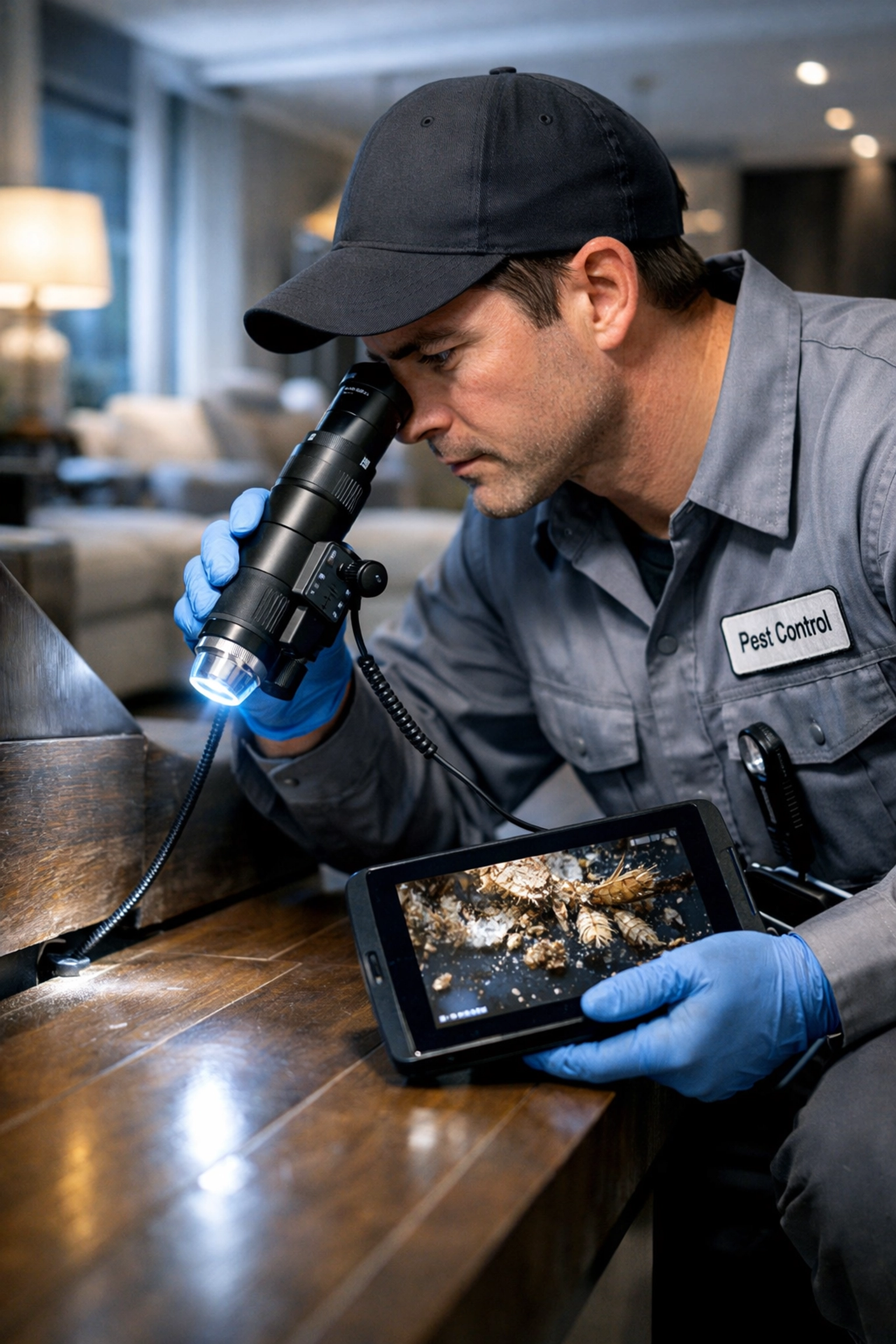
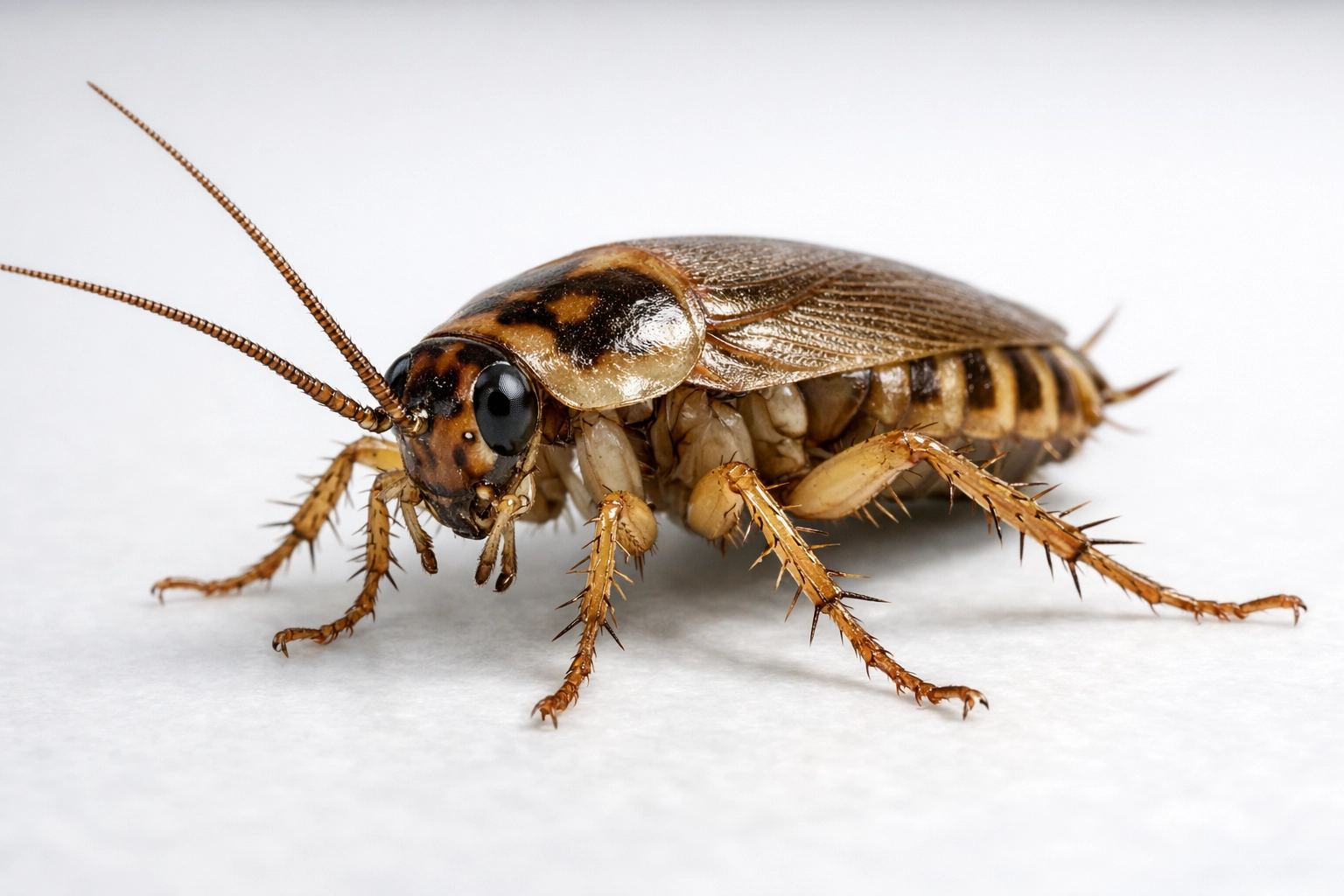
An expert exterminator must function as a field biologist. They must understand the lifecycle of the German Cockroach (Blattella germanica) just as well as they understand the chemical properties of a localized baiting system.
Critical Selection Criteria: A Comparative Framework
To distinguish between a standard service and an elite public health intervention, Westchester residents should evaluate potential partners based on the following empirical benchmarks:
1. Scientific Expertise and Technical Identification
A professional must provide precise identification of the target species. For example, treating for a common House Fly (Musca domestica) requires a vastly different protocol than managing an infestation of Fruit Flies (Drosophila melanogaster). Inaccurate identification leads to unnecessary chemical exposure and failed eradication.
- Precise Measurements: Does the technician measure the entry points? For example, a young Mouse (Musca musculus) can penetrate an opening as small as 1/4 inch (approximately 6.35 mm).
- Latin Nomenclature: The use of scientific names ensures that there is no ambiguity in the treatment plan. Distinguishing between a Silverfish (Lepisma saccharinum) and a Firebrat (Thermobia domestica) is essential for moisture-control recommendations.
2. Integrated Pest Management (IPM) Protocols
The modern standard for pest control is Integrated Pest Management (IPM). This is a science-based decision-making process that identifies and reduces risks from pests and pest management related strategies.
- Inspection-First Philosophy: A reputable firm will never provide a quote for a complex issue like Bed Bugs (Cimex lectularius) without a thorough physical inspection.
- Mechanical vs. Chemical: Comparison should favor firms that prioritize mechanical exclusions: sealing gaps and managing sanitation: before deploying EPA-approved chemical reagents.
3. Response Time and Emergency Availability
In the context of public health, some infestations constitute an emergency. The presence of Kissing Bugs (Triatominae) or heavy rodent activity in food preparation areas requires immediate action. Firms like Eliminate 'Em offer 24/7 same-day services, which is a critical metric for those facing active biological threats.
Quantifiable Risks: Why the Choice Matters
The "huge responsibility" of pest management is grounded in historical and clinical data regarding disease transmission and economic damage. In Westchester County, the stakes are quantifiable:
- Allergen Loads: According to the National Institute of Environmental Health Sciences (NIEHS), cockroach allergens are a primary trigger for asthma attacks in urban environments. An ineffective exterminator leaves behind biological debris that continues to affect respiratory health.
- Economic Impact: Termites and wood-destroying insects cause over $5 billion in property damage annually in the United States. In Westchester’s high-value real estate market, a missed infestation can result in five-figure repair costs.
- Pathogen Transmission: Common pests are vectors for a variety of illnesses. The House Fly is known to carry over 100 pathogens, including typhoid and cholera.
Comparing Treatment Methodologies
When reviewing service contracts, it is imperative to look at the specific methodologies used by various Westchester providers.
| Feature | Standard "Spray" Service | Professional Public Health Approach (Westex) |
|---|---|---|
| Primary Goal | Visual reduction of pests | Total biological eradication & exclusion |
| Chemical Use | High-volume, routine application | Targeted, low-toxicity, EPA-approved |
| Scientific Base | General knowledge | Entomological expertise (Latin identification) |
| Duration | Short-term relief | Long-term habitat modification |
| Documentation | Basic receipt | Detailed site analysis and findings |

Identifying Specific Threats in Westchester
A local expert should be intimately familiar with the specific seasonal pressures of the Hudson Valley. This includes the management of:
- Pharaoh Ants (Monomorium pharaonis): These are notably difficult to control because "budding" occurs if the wrong chemical is used, causing the colony to split and multiply. They are often only 1.5 to 2 mm in length.
- Flying Squirrels (Glaucomys volans): Unlike common grey squirrels, these are nocturnal and require specialized exclusion techniques to protect attic insulation and wiring.
- Paper Wasps (Polistes): Managing these requires precision to prevent aggressive defensive swarming near residential entryways.
Safety and Environmental Stewardship
The protection of family and home extends to the chemicals used during the treatment process. Leading Westchester firms have shifted toward organic and environmentally sensitive treatments. JP McHale, for example, emphasizes non-toxic solutions that are safe for pets and children.
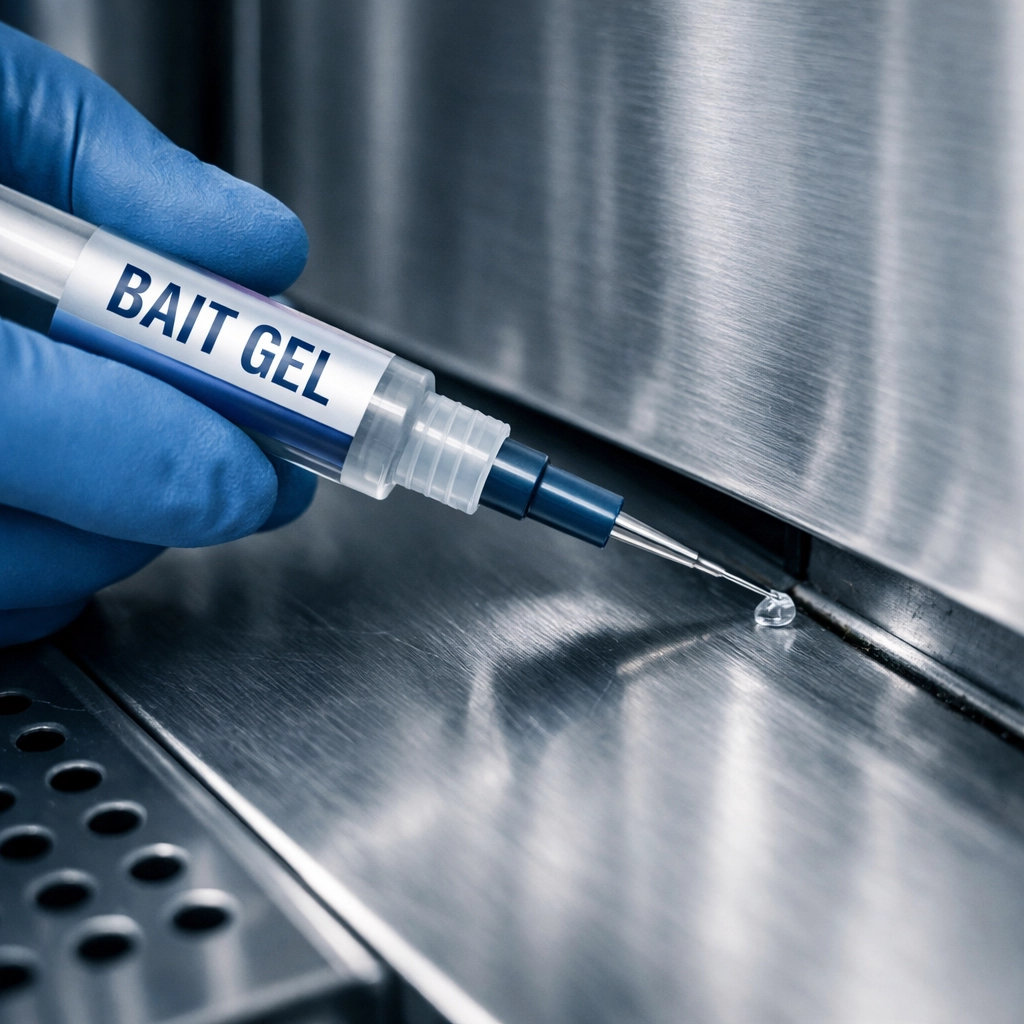
At Westex Pest Management, we view the application of any substance as a clinical procedure. We utilize EPA-approved methods that target the specific physiology of the pest while remaining inert to mammalian biology. This level of professional gravity ensures that the solution does not become a secondary problem for the household.
The Westex Pest Management Difference
While several firms in the Westchester area maintain high ratings: such as Suburban Pest Control’s 4.9-star average: the "best" choice is often the one that aligns most closely with a public health mandate. At Westex Pest Management, we do not view ourselves merely as a service company, but as a critical shield against the environmental pressures of New York’s unique landscape.
Our approach is defined by:
- Guaranteed Results: We eliminate the "trial and error" phase of pest control through rigorous scientific assessment.
- Health-First Focus: We prioritize the mitigation of disease vectors and allergens.
- Local Expertise: We understand the specific behaviors of Westchester's American Cockroaches (Periplaneta americana) and Bumble Bees (Bombus).
For homeowners looking to secure their property against the structural and biological risks of local pests, we invite you to explore our services or view our current coupons for seasonal protection.
Conclusion: A Data-Driven Decision
Choosing the right exterminator in Westchester County is a decision that impacts the long-term health and safety of your residence. By prioritizing scientific literacy, IPM protocols, and a public health-oriented philosophy, you ensure that your home remains a sanctuary.
If you are currently experiencing an infestation or wish to implement a preventative barrier, professional intervention is the most effective course of action. You can read more about our successful interventions on our testimonials page or stay updated on the latest pest trends through our articles and updates.
Protecting your home is a necessity. Ensure you have a partner who treats that responsibility with the professional gravity it deserves. Contact Westex Pest Management today for a comprehensive evaluation of your property.