
Westchester County is defined by its architectural diversity and picturesque landscapes. From the historic stone-walled estates of Bedford to the dense urban residential corridors of Yonkers and White Plains, the region offers an ideal environment for human habitation. However, these same environmental characteristics: lush vegetation, proximity to water sources like the Hudson and Bronx Rivers, and a high density of aging infrastructure: create a biological haven for commensal rodents.
For property owners, maintaining a rodent-free environment is not merely a matter of aesthetic preference or noise reduction; it is a critical component of public health and hygiene. Rodents are vectors for a variety of pathogens and are capable of causing significant structural damage that can compromise the safety and value of a home. Despite rigorous cleaning habits and the occasional use of retail-grade traps, many Westchester residents find themselves in a perpetual cycle of infestation. To break this cycle, one must understand the biological imperatives of the invaders and the technical vulnerabilities inherent in suburban construction.
The Biological Profile of the Invaders
In Westchester, the primary threats to residential and commercial structures are the House Mouse (Mus musculus) and the Norway Rat (Rattus norvegicus). Understanding the physiological capabilities of these species is the first step in effective rodent control westchester ny.
The House Mouse (Mus musculus)
The House Mouse is a prolific breeder and a master of infiltration. A single female can produce up to eight litters per year, with an average of six pups per litter. Within weeks, those offspring are capable of reproducing, leading to exponential population growth.
- Size and Entry: An adult mouse can compress its ribcage to fit through an opening as small as 6 millimeters (roughly 1/4 of an inch), or the width of a standard pencil.
- Physical Capabilities: They are excellent climbers, capable of scaling vertical surfaces such as brick, wood, and even certain types of siding to reach upper-level entry points.
The Norway Rat (Rattus norvegicus)
Often referred to as the "brown rat" or "sewer rat," this species is more aggressive and physically destructive than the mouse.
- Size and Entry: Norway rats require a slightly larger opening: approximately 12 to 13 millimeters (1/2 inch): to gain entry.
- Gnawing Power: Their incisors grow continuously, necessitating constant gnawing. They possess a bite pressure of up to 7,000 pounds per square inch, allowing them to chew through lead pipes, cinder blocks, aluminum siding, and heavy-duty electrical wiring.

Public Health Implications and Structural Risks
The presence of rodents in a home is classified by public health authorities as a high-stakes hazard. According to the Centers for Disease Control and Prevention (CDC), rodents are known to spread over 35 diseases worldwide. In the Northeastern United States, the primary concerns include:
- Leptospirosis: A bacterial disease transmitted through water or soil contaminated by rodent urine.
- Salmonellosis: Contamination of food preparation surfaces through contact with rodent feces.
- Hantavirus: Though rarer in the East, the potential for respiratory distress caused by inhaling dust contaminated with rodent droppings remains a serious concern.
- Allergens and Asthma: Rodent dander and droppings are significant triggers for indoor allergies and asthma, particularly in children.
Beyond the biological risks, the economic damage is substantial. Rodents are a leading cause of "undetermined" house fires due to their propensity for stripping the insulation off electrical wires behind walls. When you hire an exterminator westchester, you are investing in the protection of your family's health and the structural integrity of your largest asset.
Why Your Home Remains Vulnerable: The "Hidden" Secrets
Many homeowners believe that if they don’t see a rodent, they don't have a problem. In reality, rodents are nocturnal and highly secretive. If you see one mouse in the daytime, it is a statistical certainty that a significant population is already established within the wall voids. Here are the specific reasons why Westchester homes remain vulnerable:
1. The "Quarter and Dime" Rule Ignored
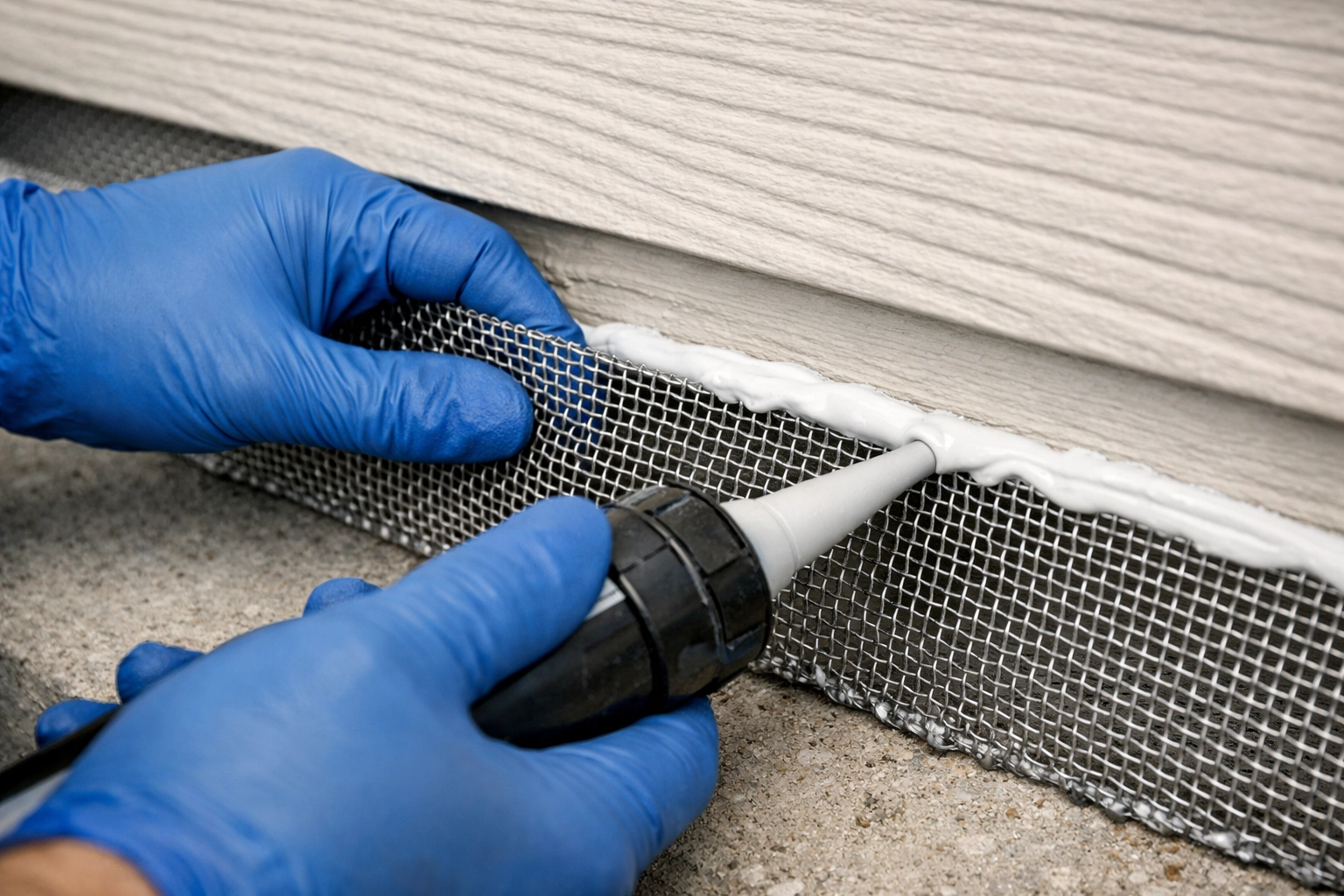
Most homeowners look for "holes," but they fail to look for "gaps." A gap in a door sweep or a crack in the foundation that seems insignificant is a literal open door for Mus musculus. Standard construction materials like expanding foam are often used as a DIY fix, but rodents can chew through these materials in seconds. Professional-grade exclusion requires the use of stainless steel mesh, copper wool, and specialized elastomeric sealants.
2. Vertical Migration and "Rat Highways"
Westchester’s older homes often have branches from mature oak or maple trees overhanging the roofline. These act as bridges. Roof rats and mice can jump up to 36 inches vertically and climb along utility wires. Once they reach the roof, they exploit gaps in the soffits, ridge vents, or chimney flashing.
3. Utility Penetrations
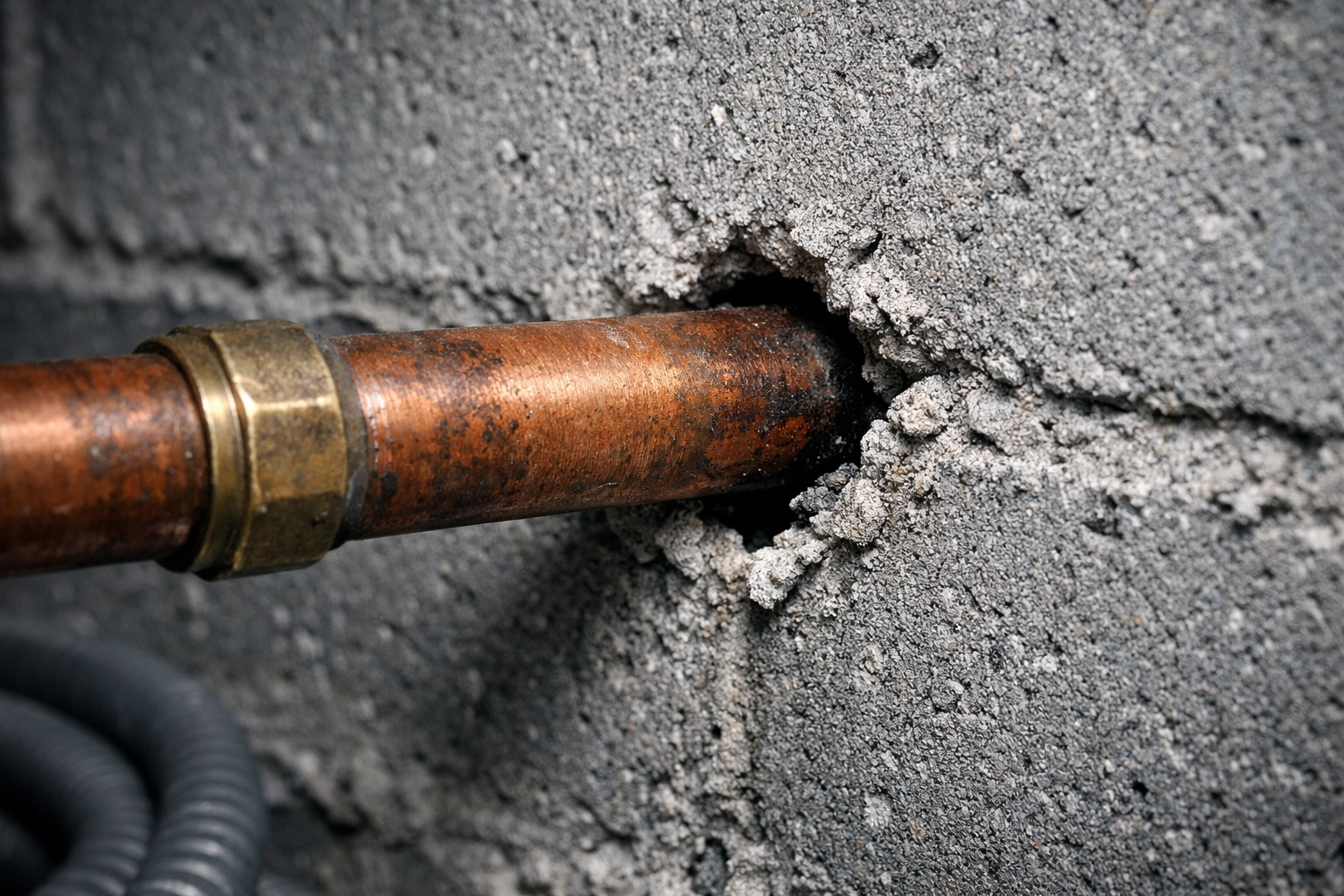
Every home has pipes for water, gas, and HVAC, as well as lines for electricity and internet. These penetrations are rarely sealed to a degree that prevents rodent entry. A hole drilled for a 1/2-inch copper pipe often leaves an extra 1/4 inch of space: exactly what a mouse needs to transition from the crawlspace to the kitchen.
The Environmental Magnet: The Westchester Landscape
While we take pride in our "picturesque landscapes," we must acknowledge the ecological pressures they create. During the late autumn months, as temperatures drop, rodents undergo a behavioral shift known as "commensalism," where they actively seek the warmth and resources provided by human structures.
- Food Availability: Unsecured bird feeders, compost piles, and pet food left outdoors provide high-calorie sustenance that allows rodent populations to thrive even in winter.
- Moisture Sources: Clogged gutters and poor drainage near foundations provide the necessary hydration for Norway rats, who require a daily water source to survive.
- Shelter: Woodpiles stacked against the side of a house or overgrown foundation plantings provide the cover rodents need to investigate the perimeter of your home without fear of predators.
To understand more about how different pests interact with your home's exterior, you can review our articles and updates on local pest trends.
The Failure of the DIY Approach
The "trap and release" or "store-bought bait" methods often fail because they address the symptoms rather than the source.
- Behavioral Resistance: Rodents are "neophobic," meaning they are naturally suspicious of new objects in their environment. If a trap is not placed correctly according to their "runways" (detected by sebum marks and droppings), they will simply walk around it.
- Bait Shyness: If a sub-lethal dose of a rodenticide is consumed, the rodent may associate the bait with illness and avoid it entirely, leading to a population that is harder to control.
- The Vacuum Effect: Simply killing the rodents inside your home without sealing the entry points creates a "vacuum." New rodents from the surrounding Westchester environment will quickly move into the vacant, resource-rich territory.
Integrated Pest Management (IPM): The Westex Professional Standard
At Westex Pest Management, we view rodent control as an enormous responsibility. Our approach is rooted in Integrated Pest Management (IPM), a science-based strategy that focuses on long-term prevention. We don't just "exterminate"; we "exclude."
Phase 1: Forensic Inspection
Our technicians perform a 360-degree forensic inspection of the property. We identify rub marks (oil from rodent fur), gnaw patterns, and nesting sites. We look at the "hidden" areas, such as the attic, crawlspace, and behind heavy appliances.
Phase 2: Structural Exclusion
This is the most critical step. We identify every potential entry point and seal them using permanent, rodent-proof materials. This includes installing heavy-duty door sweeps, sealing utility penetrations with galvanized hardware cloth, and repairing damaged foundation vents.
Phase 3: Population Reduction
Once the home is "buttoned up," we utilize mechanical and biological removal methods to eliminate the rodents trapped inside. This ensures that the population is removed safely without the risk of odors from rodents dying in inaccessible wall voids.
Phase 4: Monitoring and Sanitation
We provide guidance on sanitation to remove the pheromone trails that rodents use to communicate. We also set up monitoring stations to ensure the integrity of the exclusion work remains intact.
Conclusion: Protecting Your Westchester Home
The battle against rodents in Westchester is a constant challenge, but it is one that can be won with the right technical expertise. Relying on outdated methods or ignoring the minor gaps in your home's exterior puts your property and your family's health at risk.
If you suspect a rodent presence, or if you want to ensure your home is fortified against future invasions, the time to act is now. Protect your home with the guaranteed solutions provided by a professional exterminator westchester.
For more information on our specific services or to view our current coupons, visit our website today. At Westex Pest Management, we take the safety and hygiene of our community seriously. Let us take the responsibility of rodent control westchester ny off your shoulders, so you can enjoy the beauty of our county without the worry of uninvited guests.
For emergency services or a comprehensive structural assessment, contact Westex Pest Management. Our commitment to public health and hygiene is our highest priority.