
Westchester County is renowned for its picturesque landscapes, from the rolling hills of North Salem to the vibrant waterfronts of Yonkers and New Rochelle. However, this aesthetic appeal masks a rigorous biological reality. The dense suburban environment of the Hudson Valley provides an ideal habitat for a wide array of structural pests. For many homeowners, the instinctive response to a sighting of Periplaneta americana (American Cockroach) or Cimex lectularius (Bed Bug) is to reach for a retail-grade aerosol spray.
While these products offer a temporary sense of control, they often fail to address the root of the infestation. In many cases, over-reliance on consumer-grade pyrethroids can actually exacerbate the problem, causing "budding" in ant colonies or pushing pests deeper into wall voids. Effective pest management is not merely a matter of convenience; it is a critical component of public health and hygiene. According to the Asthma and Allergy Foundation of America, pest allergens are a primary trigger for respiratory distress in urban and suburban environments.
To protect your family and home, it is time to move beyond the spray can. Here are seven scientifically-backed Westchester pest hacks that prioritize exclusion, sanitation, and biological monitoring.
1. The 1/16th Inch Exclusion Protocol
The most effective way to manage pests is to prevent their entry into the human biosphere. Most homeowners underestimate the physical capabilities of invasive species. A juvenile Mus musculus (House Mouse) can navigate an opening as small as 6 millimeters (roughly the size of a dime), while many insects require even less space.
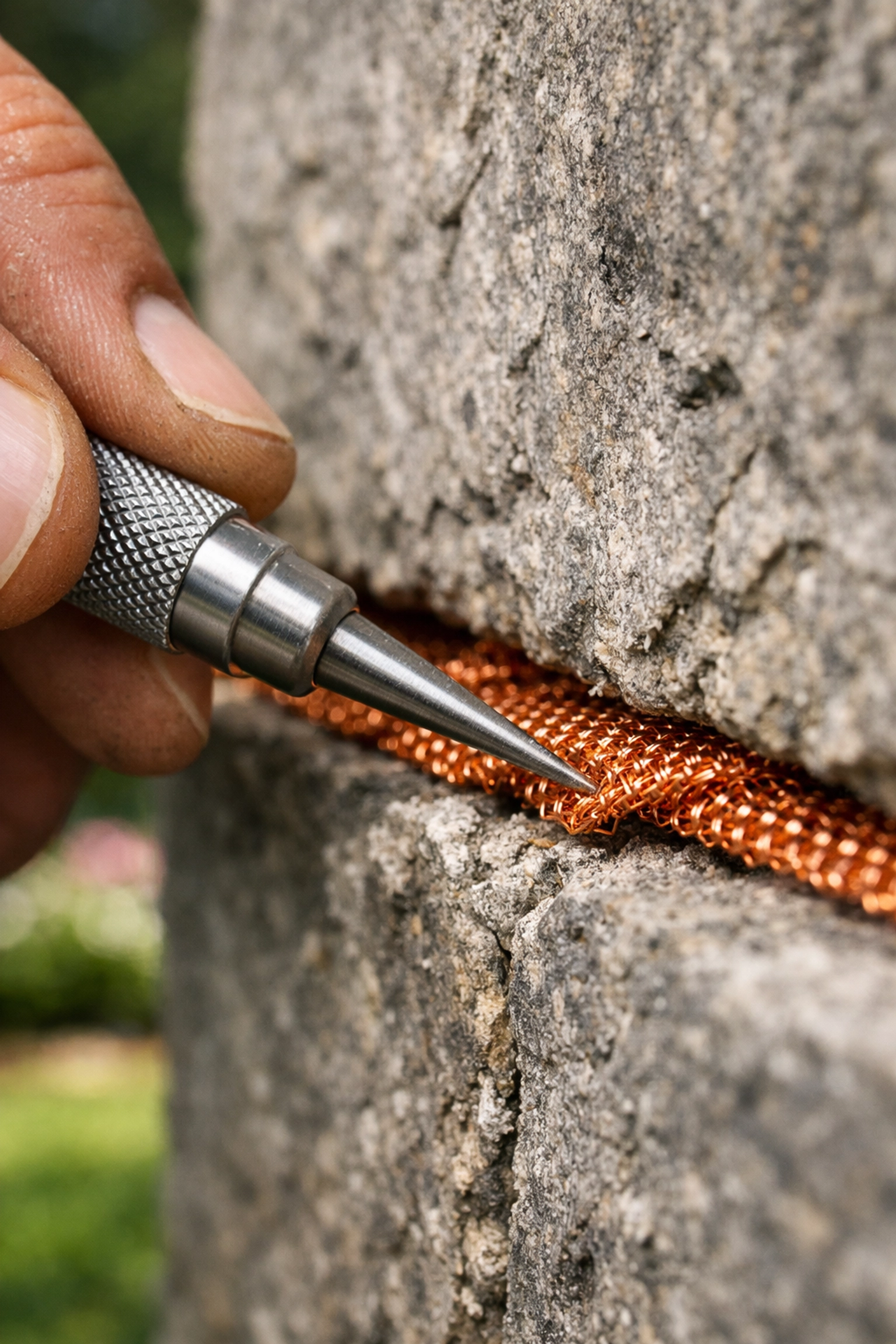
The Hack: Conduct a "low-light" inspection. On a bright day, turn off the lights in your basement or crawlspace and look for points where daylight penetrates the foundation or door frames. Use a high-quality siliconized acrylic caulk or copper mesh to seal any gap exceeding 1/16th of an inch. Unlike expanding foam, which rodents can easily compromise, copper mesh provides a durable physical barrier that resists gnawing.
2. Hygrometric Management (The 50% Rule)
Many of the most persistent Westchester pests, such as Lepisma saccharinum (Silverfish) and various species of silverfish and bristletails, are highly dependent on atmospheric moisture. These primitive insects require high relative humidity (typically above 75%) to maintain their physiological functions and reproductive cycles.
The Hack: Deploy a digital hygrometer to monitor the moisture levels in your basement, attic, and bathrooms. Your goal is to maintain a relative humidity level below 50%. Utilizing a high-capacity dehumidifier not only makes your home less hospitable to silverfish but also inhibits the growth of mold and fungi, which serve as a primary food source for many micro-pests. If you notice persistent dampness, it is essential to inspect for "sweating" pipes or minor leaks that contribute to these micro-climates.
3. Trophic Resource Minimization
Pests are biologically driven by the search for calories. In the average Westchester kitchen, microscopic food particles and improperly stored dry goods provide a feast for fruit flies (Drosophila melanogaster) and pantry beetles. Retail sprays do nothing to remove the attractants that draw these pests in the first place.
The Hack: Transition all dry goods: including pet food, cereal, and flour: into airtight borosilicate glass or heavy-duty BPA-free plastic containers. This creates a "trophic vacuum." Without accessible food sources, local populations cannot sustain themselves. Furthermore, ensure that the area behind and beneath your oven is degreased quarterly. Accumulated lipids (fats) are a high-calorie draw for American cockroaches.
4. Cryptic Harborage Removal
Clutter is more than an organizational issue; it is a public health risk. Corrugated cardboard boxes are a preferred harborage for bed bugs and cockroaches because they provide "tight" spaces that satisfy the insects' thigmotactic needs: the desire to be touched by surfaces on all sides.
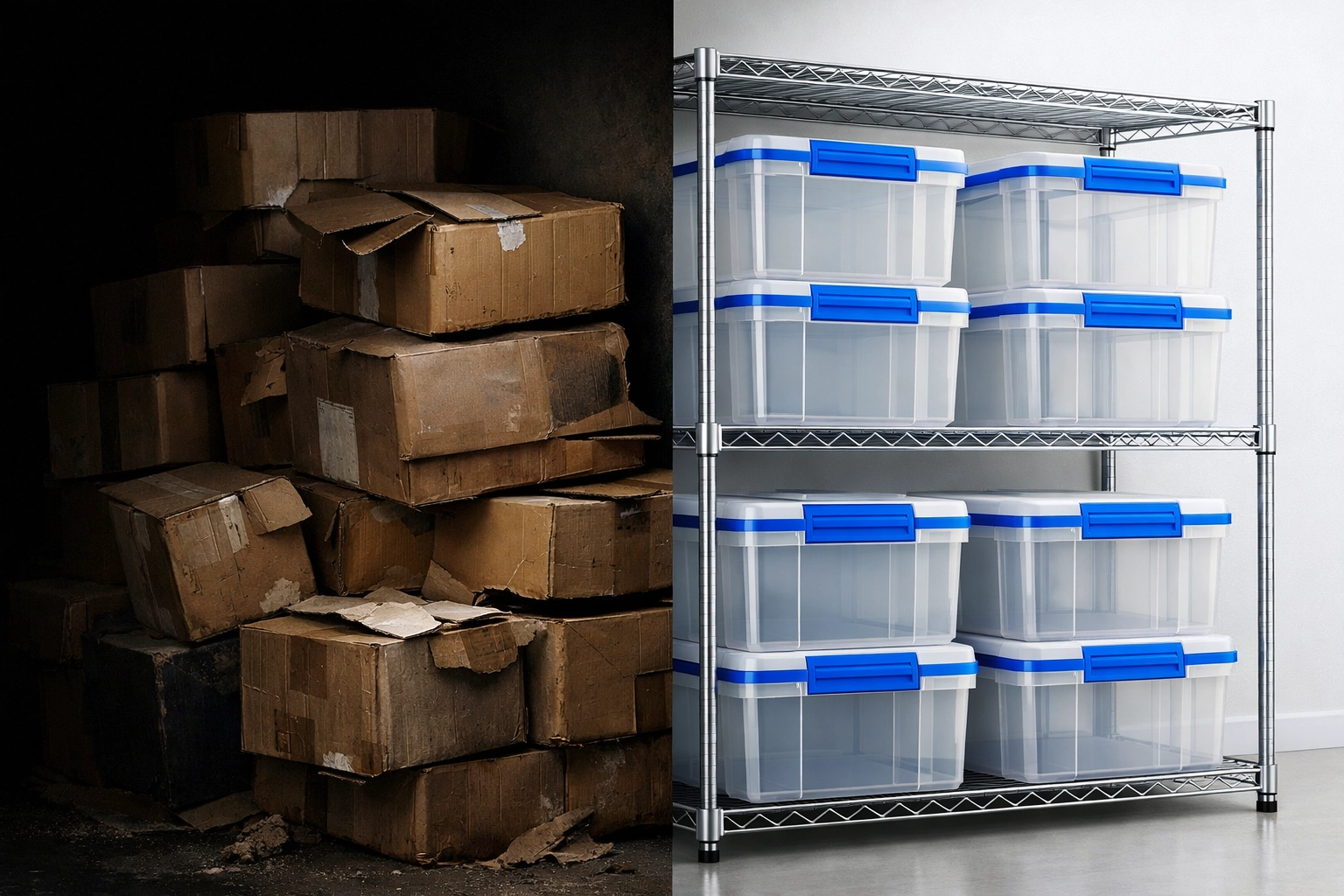
The Hack: Eliminate cardboard storage in favor of plastic bins with gasket seals. This is especially vital in Westchester’s older, historic homes where basements may have stone foundations with numerous natural crevices. Additionally, implement a "high-velocity" vacuuming schedule. Vacuuming doesn't just remove visible crumbs; it extracts eggs, larvae, and the potent allergens contained in pest droppings. After vacuuming, ensure the bag or canister is emptied immediately into an exterior receptacle to prevent re-infestation.
5. The 18-Inch Vegetation Buffer
The exterior of your home is the first line of defense. In our lush Westchester climate, ornamental shrubbery and ivy often grow directly against the siding. This creates a "bridge" for pests like ants and earwigs to bypass treated foundation zones and enter through windows or soffit vents.
The Hack: Maintain an 18-inch "No-Touch" zone between your home's foundation and any vegetation. Prune tree branches so they are at least 6 feet away from the roofline. This prevents structural access for climbing rodents and squirrels. Replacing organic mulch (which retains moisture and provides food for wood-destroying organisms) with inorganic materials like river stone or pea gravel further discourages pests from nesting near your perimeter.
6. Spectrum-Specific Lighting Manipulation
Many nocturnal pests are attracted to the ultraviolet and blue light spectrums emitted by standard incandescent and mercury vapor exterior bulbs. By choosing the wrong lighting, you are essentially signaling an "open house" to every flying insect in the neighborhood.
The Hack: Switch your exterior lighting to "bug lights" or yellow-spectrum LEDs (specifically those with a color temperature of 2700K or lower). These bulbs are significantly less visible to most insects, reducing the number of pests that swarm your entryways at night. For security lighting, utilize motion sensors rather than "dusk-to-dawn" settings to minimize the duration of attractant light.
7. Biological Monitoring Systems
Professional pest management relies heavily on data. You cannot manage what you do not measure. Instead of spraying blindly, you should be using monitoring tools to identify the specific species and the severity of the pressure.
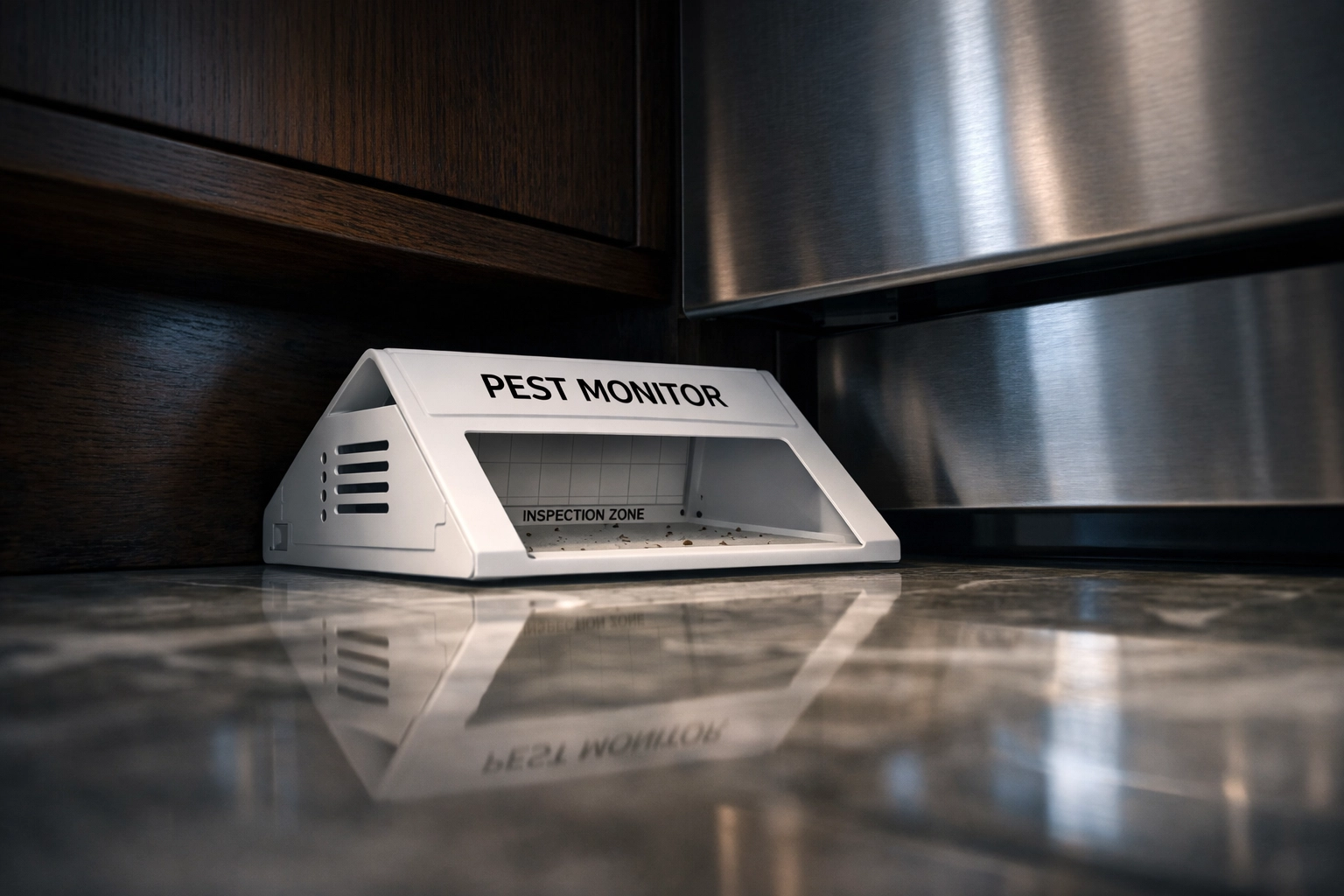
The Hack: Place non-toxic sticky monitors (glue boards) in "hot zones": under sinks, behind the refrigerator, and in the corners of the garage. Inspect these weekly. The presence of a single fruit fly might not be a concern, but the presence of several nymphs (juveniles) indicates a breeding population that requires professional intervention.
The Responsibility of Professional Protection
While these hacks are effective for "low-level" pressure and general prevention, Westchester residents must recognize when a situation has escalated beyond DIY capabilities. Pest management is a huge responsibility that involves the handling of specialized materials and an intimate knowledge of entomological behavior.
At Westex Pest Management, we view our role as a vital service for the protection of family and home. Our technicians are trained to identify the exact biological vulnerabilities of your property, providing a guaranteed solution that goes far beyond what a store-bought spray can achieve. We specialize in integrated pest management (IPM) strategies that prioritize safety and long-term results.
If you are dealing with a persistent infestation or simply want to ensure your home remains a fortress against the local environment, consider a professional assessment.
- Explore our comprehensive services to see how we protect Westchester homes.
- Check out our latest coupons for savings on your first inspection.
- Read our testimonials to see why your neighbors trust Westex.
Stop wasting time with temporary fixes. In the high-stakes environment of public health and structural integrity, a clinical, professional approach is the only way to ensure your peace of mind. Contact Westex Pest Management today to schedule a thorough property evaluation.