
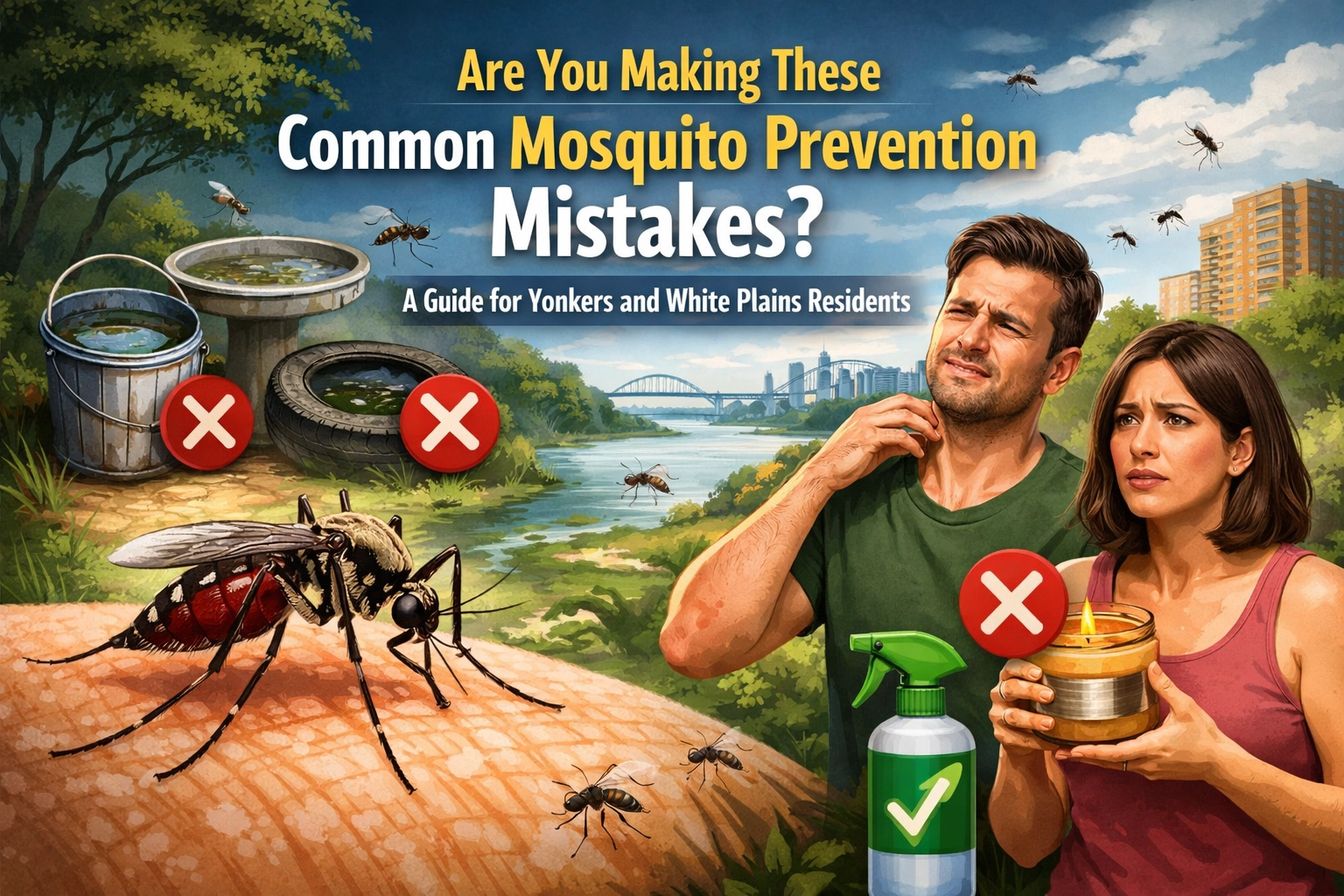
Westchester County is defined by its diverse landscapes, from the bustling urban corridors of Yonkers to the manicured residential neighborhoods of White Plains. However, the very features that make our region desirable: the proximity to the Hudson River, the presence of Tibbetts Brook Park, and the lush greenery of suburban backyards: also create a significant biological challenge. As temperatures rise and humidity levels climb, the local environment becomes a primary breeding ground for various mosquito species, presenting an enormous task for property owners and public health officials alike.
For many residents, mosquito control is often viewed as a seasonal annoyance or a matter of comfort. However, from a public health and hygiene perspective, the presence of mosquitoes is a serious safety concern. These insects are more than just a nuisance; they are biological vectors capable of transmitting debilitating diseases. Understanding the technical nuances of mosquito biology and avoiding common prevention mistakes is not just a matter of property maintenance: it is a necessity for the protection of family and community health.
The Biological Reality of the Mosquito Threat
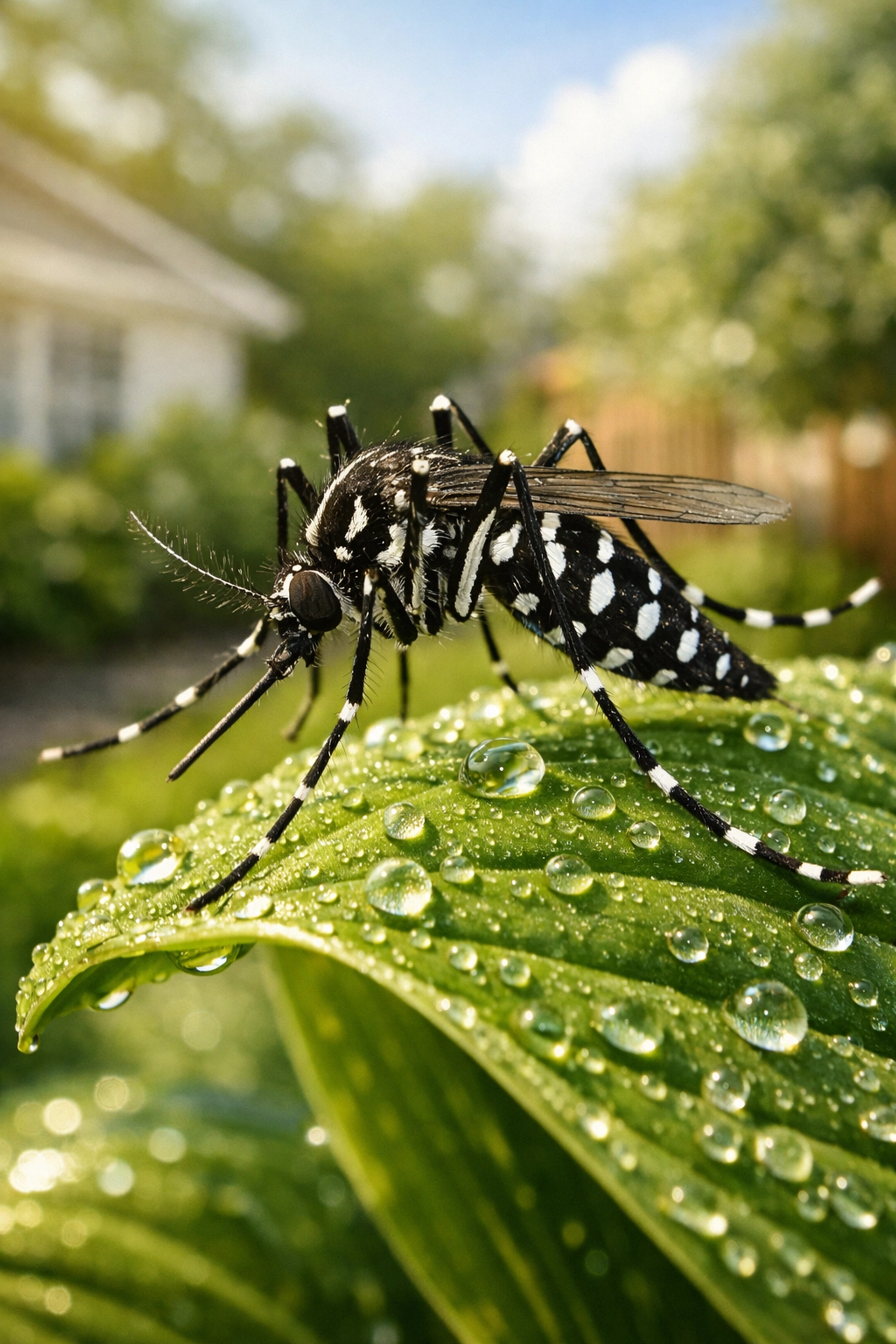
In the Yonkers and White Plains areas, we primarily contend with two significant species: the Aedes albopictus (Asian Tiger Mosquito) and the Culex pipiens (Common House Mosquito). Both species have adapted remarkably well to human environments, but they exhibit different behaviors and risks.
The Culex pipiens is the primary vector for West Nile Virus (WNV) in the Northeastern United States. According to the New York State Department of Health, West Nile Virus has been an endemic threat since it was first detected in 1999. The transmission rate fluctuates based on environmental factors, but the risk remains constant. On the other hand, Aedes albopictus is a highly aggressive daytime biter, known for its ability to thrive in small, artificial containers often found in urban yards in Yonkers.
The responsibility of managing these populations is a huge responsibility that requires more than just a cursory understanding of yard work. It requires a strategic approach to Integrated Pest Management (IPM).
Mistake 1: Underestimating the "Teaspoon" Rule of Standing Water
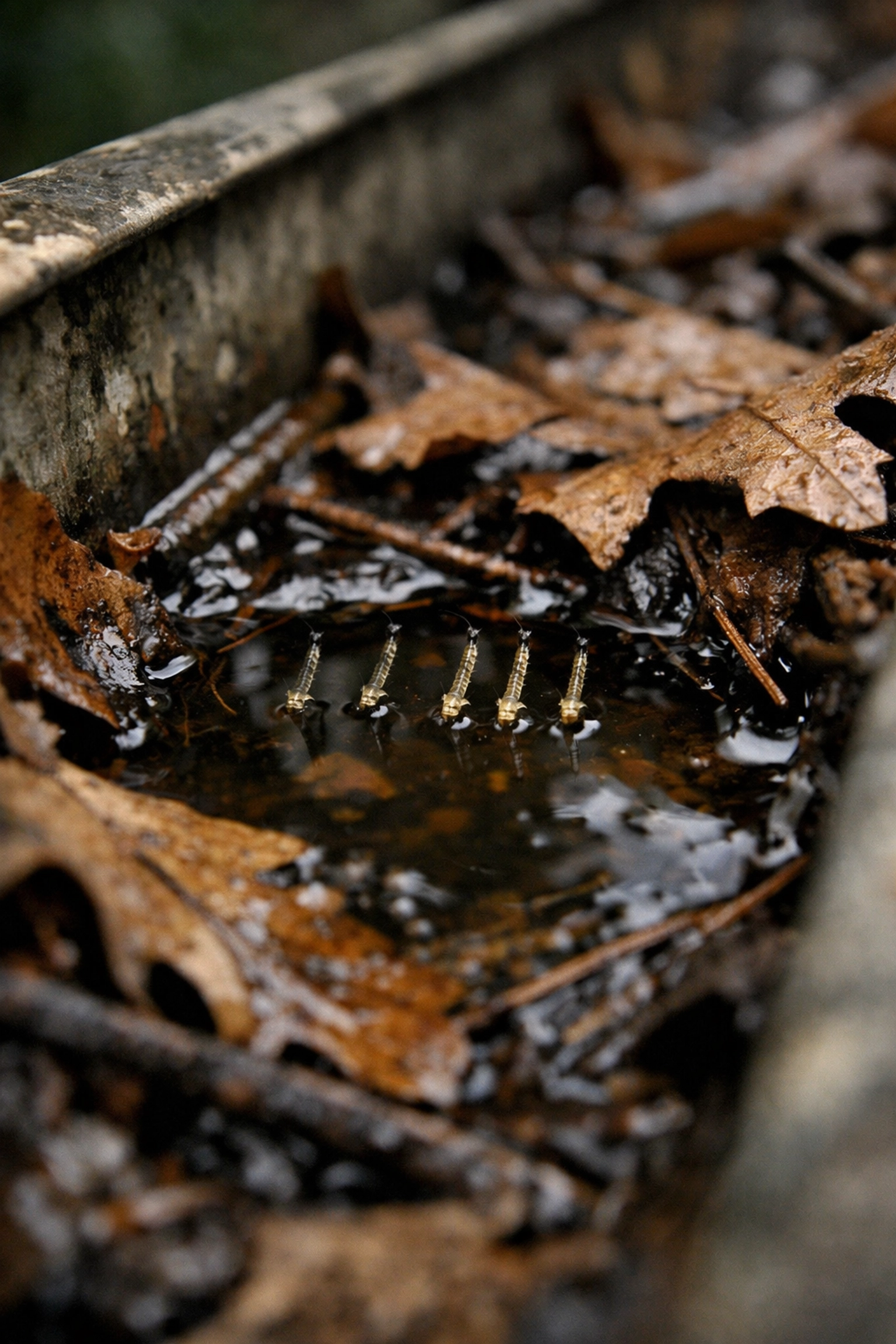
The most frequent error made by residents in White Plains and Yonkers is failing to recognize how little water is actually required for a mosquito to complete its life cycle. A female mosquito can lay between 100 to 200 eggs at a time, and she only needs a thin film of stagnant water: as little as a few millimeters in depth or a volume equivalent to a teaspoon: to ensure their survival.
Many homeowners overlook "micro-habitats" such as:
- Corrugated Downspouts: The ridges in flexible plastic downspouts often hold small pockets of water long after a rainstorm has passed.
- Plant Saucers: Shallow ceramic or plastic dishes under flower pots are notorious breeding sites that are frequently ignored.
- Clogged Gutters: Debris such as maple "helicopters," oak tassels, and decaying leaves trap moisture high above the ground, creating an aerial breeding ground that is difficult to monitor.
- Tarp Creases: Water that collects in the folds of grill covers, woodpile tarps, or pool covers provides an ideal, undisturbed environment for larvae development.
Neglecting these small water sources is a fundamental failure in public health and hygiene. To truly secure a property, a comprehensive inspection of every square inch of the exterior is required.
Mistake 2: Ignoring Yard Debris and Overgrowth
While standing water is the primary site for egg-laying, the adult mosquito spends a significant portion of its life seeking shelter from the sun. Mosquitoes are highly susceptible to desiccation (drying out) and will seek out "resting sites" with high humidity and low airflow.
In the picturesque landscapes of White Plains, dense ivy, unclipped hedges, and tall grass provide the perfect microclimate for mosquitoes. When property owners fail to maintain their landscape, they are effectively creating a sanctuary for these pests. Yard debris such as piles of grass clippings, fallen leaves, and brush piles are not just unsightly; they are safety hazards. These piles trap moisture and provide the shade necessary for mosquitoes to remain active during the heat of the day.
Proper maintenance involves:
- Mowing lawns to a consistent height of 3 inches or less.
- Thinning out dense shrubbery to increase sunlight penetration and airflow.
- Removing all organic debris from the perimeter of the home.
For more information on how various pests utilize yard debris, you can read our articles and updates regarding local pest behavior.
Mistake 3: Relying on Ineffective DIY "Quick Fixes"
A common trend among residents is the use of store-bought foggers, ultrasonic devices, or "natural" repellent candles. While these products may offer a temporary psychological sense of relief, they rarely provide a scientific solution to a mosquito infestation.
Most DIY sprays have a very short residual life, often losing effectiveness within hours of application. Furthermore, these products do not address the biological source of the problem. They may kill a few adult mosquitoes on contact, but they do nothing to interrupt the breeding cycle or treat the hidden resting sites where the majority of the population resides.
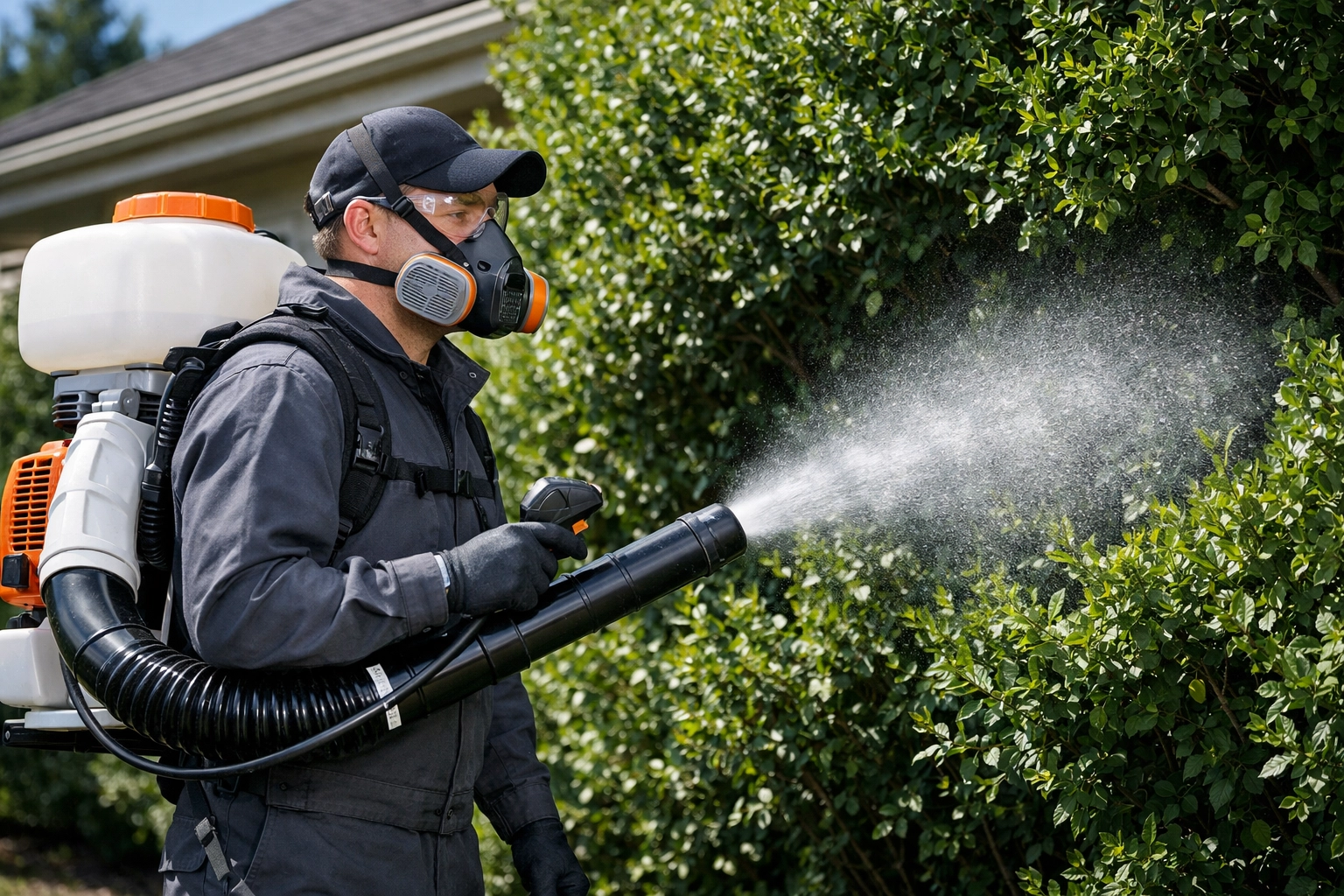
Professional-grade mosquito control, such as the services provided by exterminators in Yonkers, involves the use of specialized equipment and regulated compounds that provide a long-lasting barrier. This clinical approach ensures that both the larvae (using larvicides in areas that cannot be drained) and the adults are targeted effectively.
Mistake 4: The Reactive Timing Error
Waiting until you are bitten to begin mosquito prevention is a tactical error. In Westchester County, the mosquito season typically begins when temperatures consistently stay above 50°F (10°C). By the time residents notice a significant population in June or July, several generations of mosquitoes have already hatched and matured.
The most effective protection of family and home begins with "early-season" intervention. This involves treating the property before the first peak in the population. This proactive stance significantly reduces the overall "pest pressure" throughout the remainder of the summer. Waiting until the height of July to call an exterminator in White Plains means you are already fighting an uphill battle against an established population.
Mistake 5: Overlooking Vertical and Hidden Breeding Sites
In more urbanized areas like Yonkers, the challenge of mosquito control often goes vertical. Many residents focus on the ground level but forget that mosquitoes are capable flyers. Flat roofs with poor drainage, old tires stored behind garages, and even the internal parts of air conditioning units can harbor standing water.
Furthermore, certain species like the Aedes mosquitoes are known for laying "desiccation-resistant" eggs. These eggs can remain dormant in dry containers for months, only to hatch once the container fills with water. This biological resilience makes the "enormous task" of eradication even more complex, requiring professional knowledge of life cycles and habitat preferences.
Professional Intervention: A Public Health Necessity
The complexity of mosquito behavior, combined with the serious health risks of West Nile Virus and other mosquito-borne pathogens, makes professional intervention a necessity. At Westex Pest Management, we view our services as a vital component of local public health.
Our approach to mosquito control in Westchester County is grounded in empirical research and technical precision. We do not just "spray the yard." We conduct a thorough site analysis to identify every potential breeding and resting site. Our technicians are trained to recognize the specific environmental challenges unique to Yonkers and White Plains, ensuring a guaranteed level of protection that DIY methods simply cannot match.
Whether you are dealing with persistent house flies, bed bugs, or the seasonal surge of mosquitoes, a professional evaluation is the only way to ensure your property is truly safe.
Conclusion: Securing Your Westchester Property
Maintaining a mosquito-free environment in the Hudson Valley requires constant vigilance and professional expertise. By avoiding the common mistakes of ignoring small water sources, neglecting yard maintenance, and relying on ineffective DIY products, you are taking the first steps toward a safer home.
However, the biological reality of our region means that professional assistance is often required to achieve a baseline of hygiene and safety. For those seeking the best exterminators in Yonkers or an exterminator in White Plains, Westex Pest Management provides the technical expertise and serious commitment to public health that our community deserves.
Don't wait for the mosquito population to overwhelm your outdoor space. Take a proactive stance today to protect your family and enjoy the picturesque beauty of Westchester without the threat of disease-carrying pests.
For a professional evaluation of your property and to learn more about our comprehensive pest management solutions, visit Westex Pest Management or check out our testimonials to see how we’ve helped your neighbors reclaim their homes.