As the seasonal transition begins across the Hudson Valley, the city of Yonkers presents a unique set of environmental challenges for property owners. Nestled between the dense urban architecture of the Bronx and the sprawling suburban landscapes of Westchester County, Yonkers serves as a primary corridor for synanthropic wildlife. While the blooming cherry blossoms and warming temperatures signify renewal for residents, they also trigger a biological surge in local rodent populations.
Managing the intersection of human habitation and rodent biology is an enormous task and a significant public health responsibility. For those seeking reliable rodent control westchester ny, understanding the shift from winter survival to spring expansion is critical. This is not merely a matter of household convenience; it is a fundamental requirement for the maintenance of public health and hygiene.
The Biological Reality of the Yonkers Rodent Population
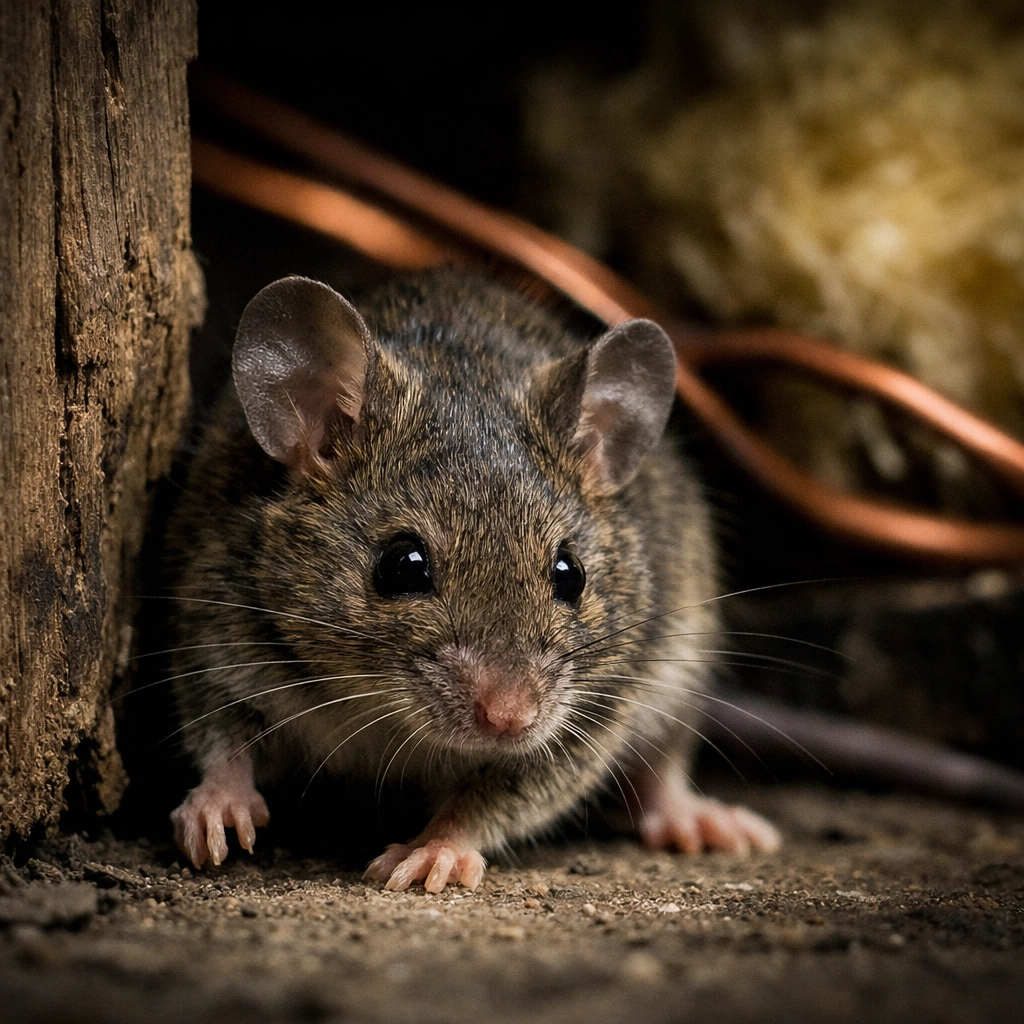
To effectively combat an infestation, one must first understand the primary biological threats within the region. The two most prevalent species in Yonkers are the House Mouse (Mus musculus) and the Norway Rat (Rattus norvegicus). These species have evolved over millennia to thrive in close proximity to human structures, relying on our infrastructure for warmth, caloric intake, and nesting sites.
The reproductive potential of these rodents is staggering. A single female Mus musculus can produce between five and ten litters per year, with each litter consisting of five to six pups. Given that these offspring reach sexual maturity in as little as six weeks, a minor structural breach can escalate into a severe public health crisis within a single season. According to data from the Centers for Disease Control and Prevention (CDC), rodents are known vectors for over 35 diseases, including:
- Salmonellosis: A bacterial infection transmitted through contact with rodent feces or urine.
- Leptospirosis: A blood infection that can lead to kidney damage or meningitis.
- Hantavirus Pulmonary Syndrome (HPS): A severe respiratory disease carried by deer mice, which can become airborne when nesting materials are disturbed.
- Lymphocytic Choriomeningitis (LCM): A viral disease that can cause neurological complications.
Beyond the biological risk, the economic damage caused by rodents is quantifiable. It is estimated that rodents are responsible for up to 20% of "undetermined" structural fires in the United States due to their propensity for gnawing on electrical insulation. Their incisors grow at a rate of 4 to 5 inches per year, necessitating constant gnawing on hard materials: including wiring, PVC piping, and structural timber: to prevent overgrowth.
The Simple Trick: The Science of Exclusion
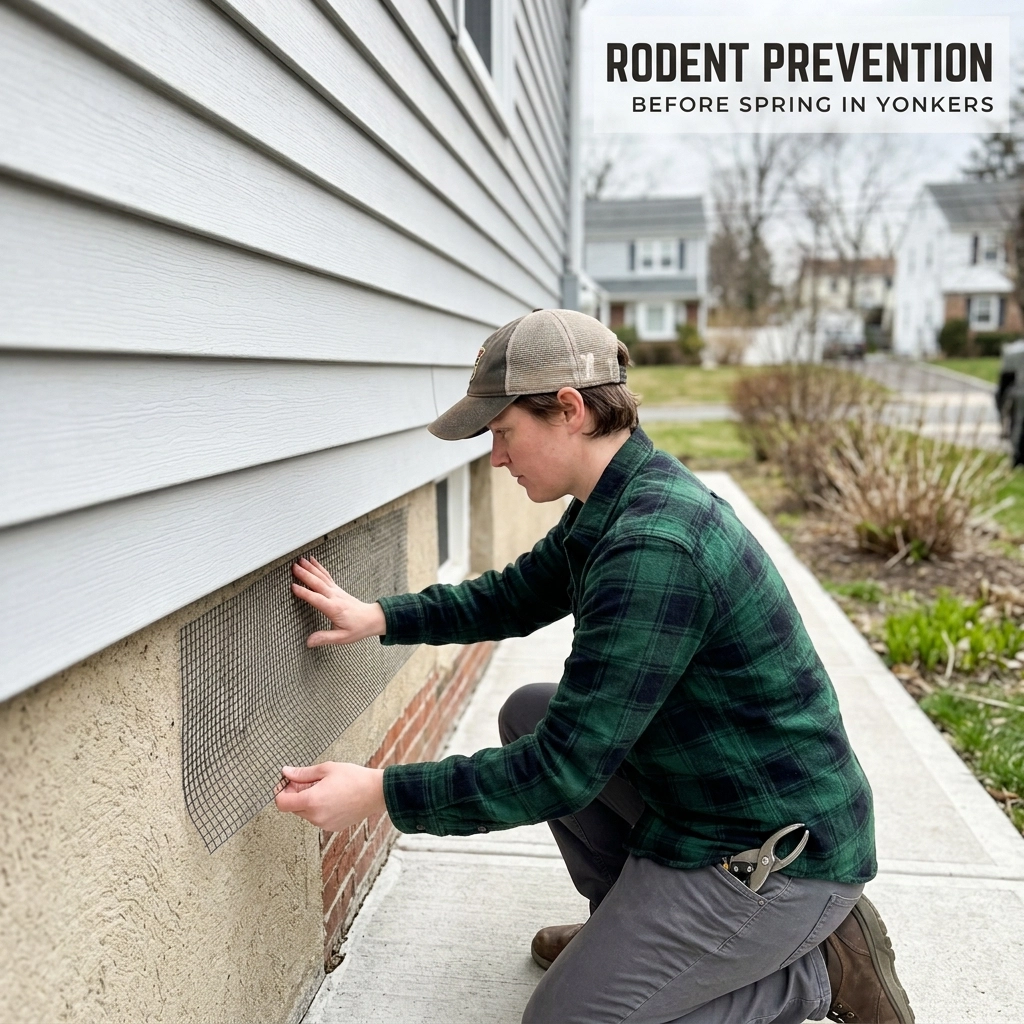
While many homeowners focus on reactive measures like trapping or baiting, the most effective "trick" for long-term prevention is a technical process known as Exclusion. Exclusion is the practice of identifying and sealing every potential entry point that a rodent could use to gain access to a structure. This proactive approach serves as a mechanical barrier, preventing the rodent from ever establishing a presence within the home or business.
The physical capabilities of rodents dictate the precision required for successful exclusion. A juvenile Mus musculus can pass through an opening as small as 1/4 of an inch (approx. 6.35 mm): roughly the width of a standard pencil. A Norway Rat requires only 1/2 of an inch (12.7 mm) to enter.
Step 1: The Perimeter Audit
The first stage of exclusion involves a clinical assessment of the building’s envelope. In Yonkers, where historical architecture often features settling foundations and aging masonry, gaps are frequent. Focus on the following high-risk zones:
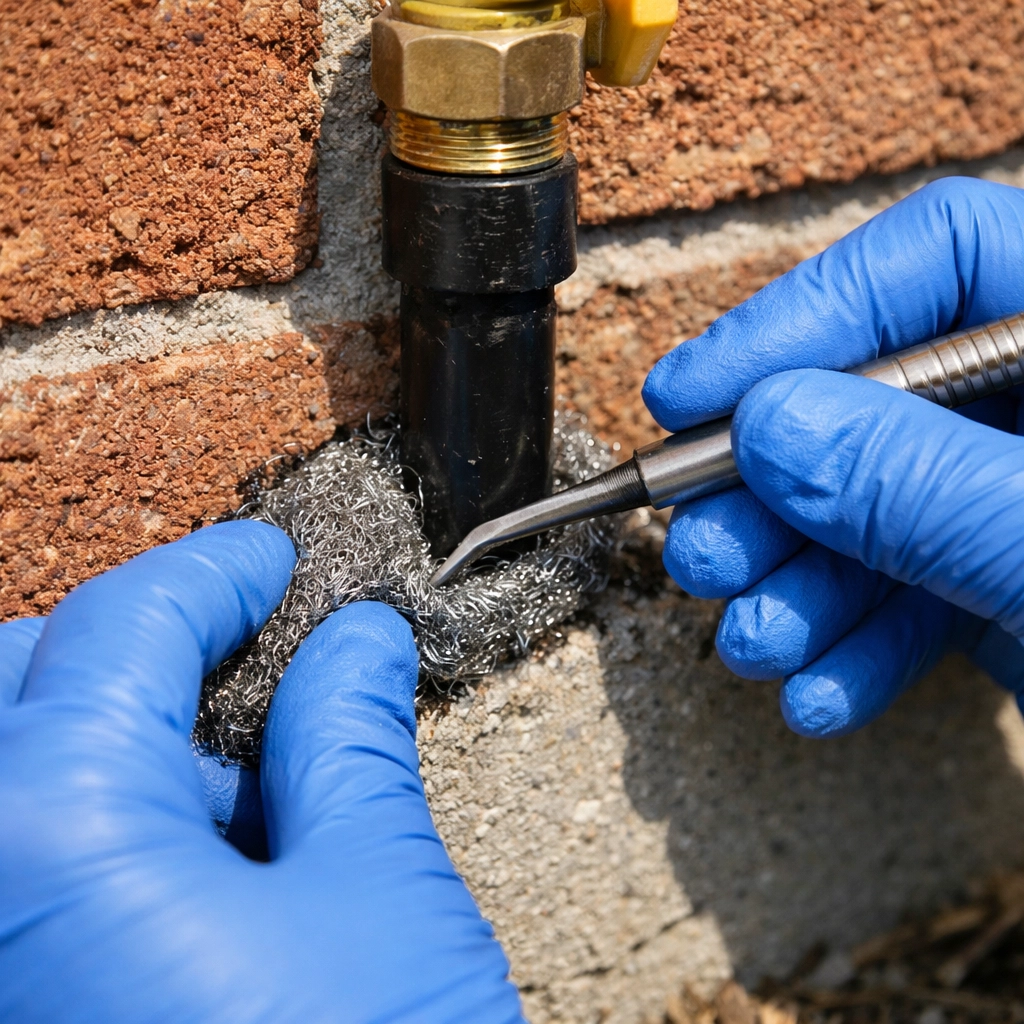
- Utility Penetrations: Inspect areas where electrical conduits, gas lines, or water pipes enter the structure. These are often poorly sealed, leaving "highways" for rodents.
- Foundation Cracks: Even hairline fractures can be expanded by rodents or weather-related erosion.
- Door Sweeps and Thresholds: If you can see light beneath an exterior door, a mouse can enter. Ensure all sweeps are tight-fitting and made of rodent-resistant material.
- Ventilation Points: Dryer vents, attic fans, and crawl space vents must be secured with heavy-duty galvanized hardware cloth (1/4 inch mesh).
Step 2: Utilizing Proper Materials
A common mistake in DIY rodent prevention is using materials that rodents can easily bypass. Expanding foam, for instance, is easily chewed through and offers zero structural resistance. To ensure the protection of family and home, use the following technical-grade materials:
- Stainless Steel or Copper Wool: These materials do not rust and are physically impossible for rodents to chew through due to their abrasive nature.
- Silicone-Based Caulk or Mortar: Used to secure the mesh or wool in place and provide a weather-tight seal.
- Hardware Cloth: Specifically, 19-gauge galvanized steel mesh. This is essential for covering larger openings like chimney caps or crawl space vents.
- Metal Kick Plates: Installed at the base of wooden doors to prevent rodents from gnawing through the corners.
Yard Maintenance as a Protective Buffer
Exclusion does not stop at the walls of the home. The exterior environment plays a critical role in attracting or repelling rodent activity. As Yonkers warms up, vegetation begins to grow rapidly. Overgrown lawns and dense shrubbery provide "harborage," allowing rodents to approach a structure under cover.
To minimize the "rodent pressure" on your home, implement the "20-Foot Rule." Maintain a clear zone of at least 20 feet (6.09 meters) between dense vegetation and the foundation of your home. Trees and climbing vines should be trimmed back so they do not touch the roofline or siding, as rodents are expert climbers. This is particularly relevant if you have issues with flying squirrels, which utilize high-altitude entry points.
Furthermore, sanitation is a pillar of Integrated Pest Management (IPM). Eliminate all potential food sources:
- Secure trash in heavy-duty plastic or metal bins with tight-fitting lids.
- Remove bird feeders, which are a primary attractant for both mice and rats.
- Ensure pet food is never left outdoors overnight.
- Clean up fallen fruit or nuts from trees immediately.

Why Professional Intervention is a Necessity
While DIY efforts are a commendable start, the complexity of rodent behavior often requires the expertise of seasoned exterminators yonkers. At Westex Pest Management, we view our role as a vital component of the city's safety infrastructure. Our technicians are trained to identify subtle signs of activity that the untrained eye might miss, such as sebum trails (grease marks) along baseboards or specific pheromone-marking patterns.
Professional rodent control in Westchester, NY, involves a multi-tiered strategy:
- Diagnostic Inspection: Using thermal imaging and moisture meters to locate nests within wall voids.
- Strategic Monitoring: Deploying professional-grade monitoring stations to track population density and movement.
- Advanced Exclusion: Utilizing industrial-strength sealants and specialized tools to secure entry points that are inaccessible to the average homeowner.
- Follow-up and Maintenance: Ensuring that the structural integrity of the exclusion work remains intact over time.

The Westex Commitment to Yonkers
The transition to spring is a critical window of opportunity. By acting now, before the breeding cycle reaches its peak, you can significantly reduce the risk of a full-blown infestation. At Westex Pest Management, we pride ourselves on our local expertise and our clinical approach to pest eradication. We understand the unique architectural and environmental variables of the Yonkers area, from the waterfront properties to the historic neighborhoods of Park Hill and beyond.
Our services are backed by a commitment to the safety and hygiene of our community. We don't just "set traps": we engineer solutions that protect your property from the ground up. Whether you are dealing with common house mice, silverfish, or more complex issues like bed bugs, our team is prepared to provide a guaranteed solution.
Do not wait for the first signs of a rodent presence to take action. The "simple trick" of exclusion, combined with professional oversight, is the only way to ensure your home remains a sanctuary.
For more information on our specific services or to read testimonials from your neighbors in Yonkers, visit our website today. We also offer coupons for new customers to help make the protection of your home as accessible as possible.
Protect your family. Protect your home. Ensure your peace of mind before the spring surge begins. Contact Westex Pest Management today for a comprehensive evaluation of your property’s rodent defenses.
Scientific References and Technical Data:
- Mus musculus (House Mouse) physical specifications and reproductive cycles are sourced from the National Pest Management Association (NPMA).
- Disease transmission statistics are provided by the Centers for Disease Control and Prevention (CDC).
- Structural fire statistics related to rodent activity are sourced from the National Fire Protection Association (NFPA).