Westchester County is defined by a unique intersection of historical charm and modern economic vitality. From the high-traffic retail corridors of White Plains to the industrial waterfronts of Yonkers and the leafy corporate campuses of Armonk, our local businesses form the backbone of the community. However, this picturesque landscape also provides a fertile environment for various biological threats. In the commercial sector, pest management is often misunderstood as a seasonal task or an emergency response to a visible nuisance. In reality, safeguarding a business against infestations is a continuous, high-stakes responsibility involving public health, structural integrity, and economic stability.
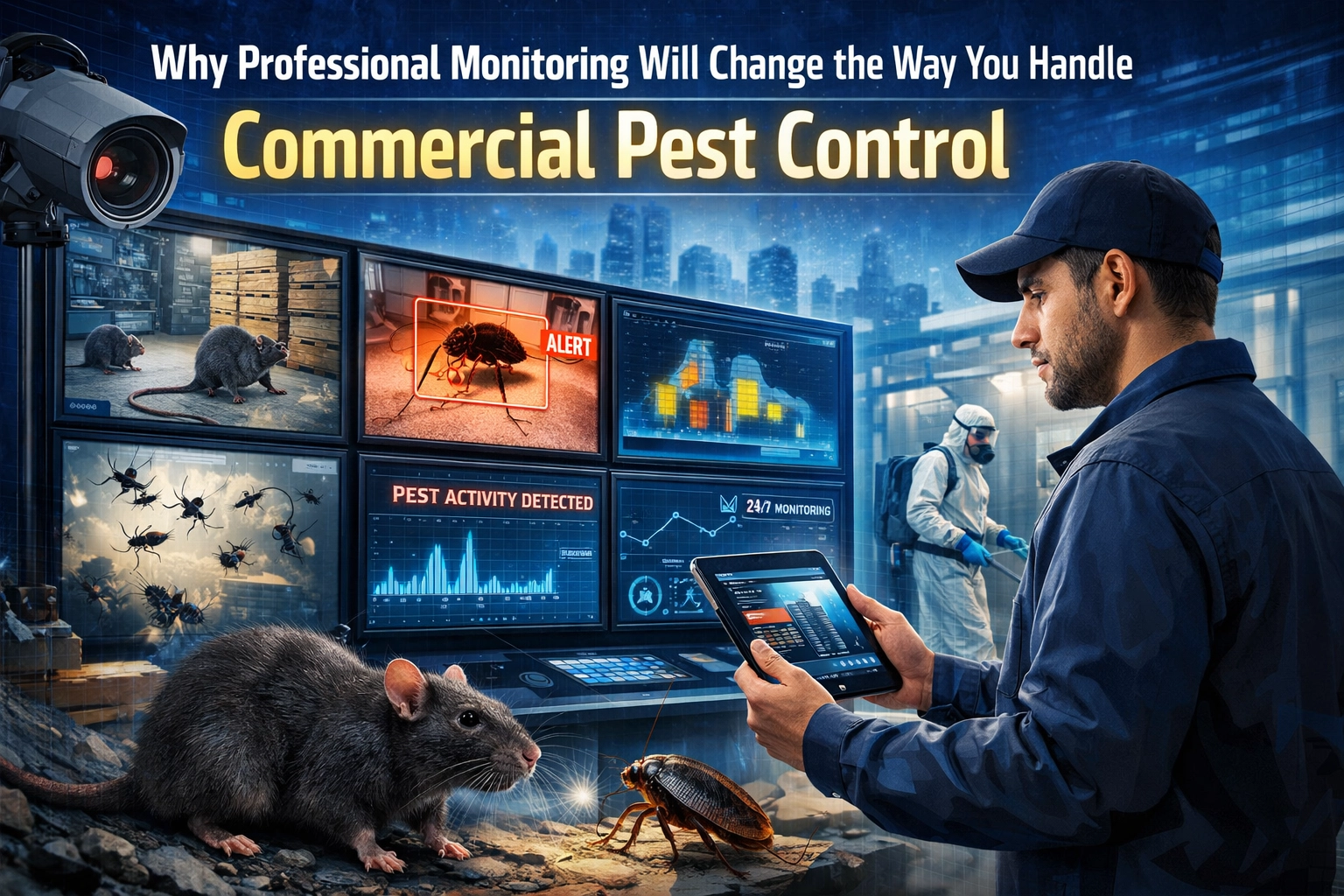
Traditional pest control has historically relied on a "reactive" model: applying treatments only after a problem has been identified. For a modern Westchester business, this approach is no longer sufficient. The transition to professional monitoring represents a fundamental shift toward proactive hygiene and safety, leveraging data and technology to prevent infestations before they can compromise a facility's reputation or regulatory standing.
The Public Health Necessity of Proactive Monitoring
In a commercial environment, the presence of pests is more than an aesthetic issue; it is a significant public health risk. Many common urban pests are vectors for pathogenic microorganisms. For instance, the American cockroach (Periplaneta americana), which can grow to lengths exceeding 50mm (approximately 2 inches), is known to carry at least 33 types of bacteria, six parasitic worms, and seven other human pathogens. These insects frequently move from unsanitary areas like sewers and drains into food preparation zones, transferring bacteria such as Salmonella and E. coli onto surfaces via their legs and bodies.
When a business relies on reactive control, they are essentially allowing a biological hazard to establish residency before taking action. Professional monitoring changes this dynamic by establishing a "zero-tolerance" framework. By utilizing continuous surveillance, Westex Pest Management ensures that even the earliest signs of activity are detected, documented, and neutralized. This level of oversight is essential for compliance with the stringent health codes enforced across Westchester County.
From Reactive Treatment to Data-Driven Prevention
The core of professional monitoring lies in its transition from guesswork to empirical data. In a reactive scenario, a technician might spray a general pesticide in response to a sighting. In a professional monitoring program, every data point: from the location of a triggered sensor to the specific species identified in a pheromone trap: is analyzed to build a comprehensive risk profile of the facility.
1. Continuous Surveillance and Early Detection
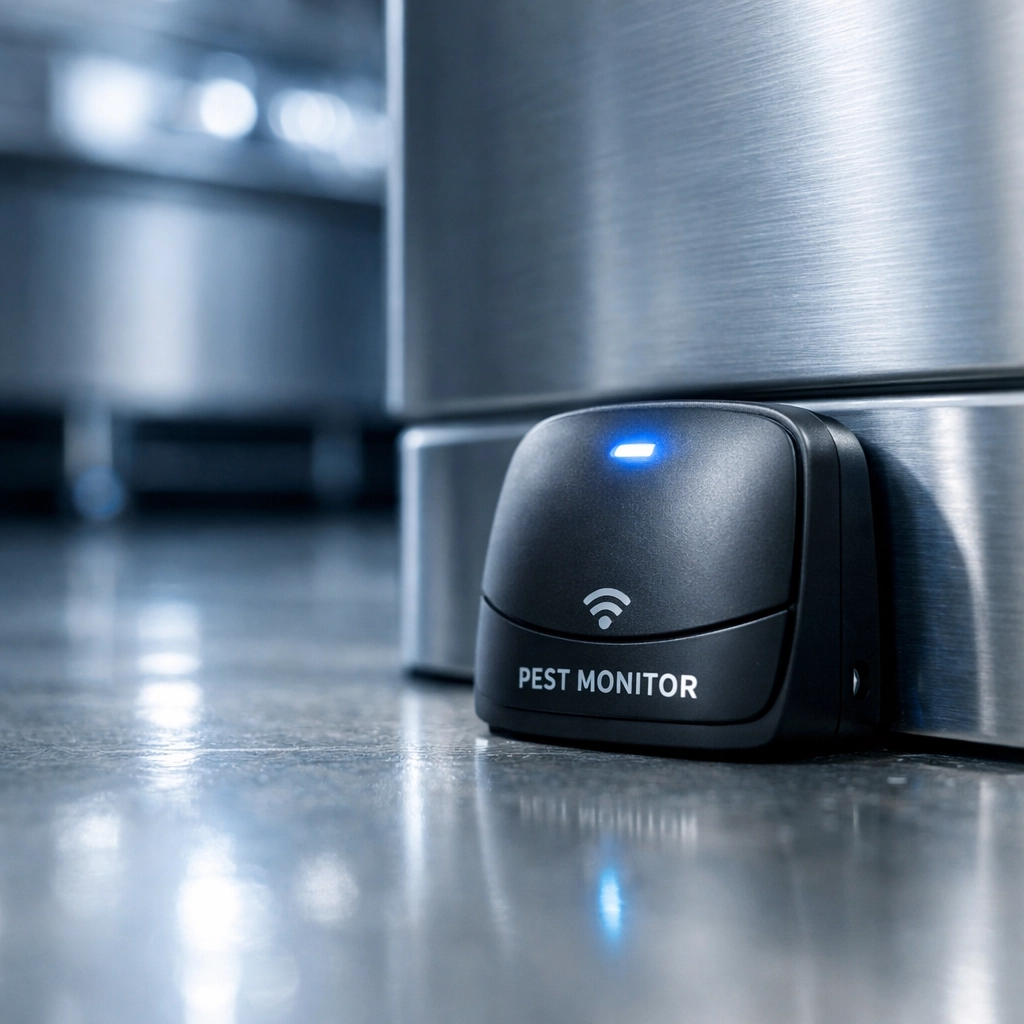
Professional monitoring systems, such as electronic rodent monitors and strategic insect light traps (ILTs), work 24/7. This is critical because many pests are nocturnal or highly elusive. For example, the House Mouse (Mus musculus) is capable of entering a facility through a gap as small as 6mm (roughly 1/4 inch), the width of a standard pencil. Without continuous monitoring, a small breach in the building envelope could lead to a localized infestation that remains hidden for weeks behind walls or under equipment.
2. Species-Specific Intelligence
Effective pest management requires precise identification. Professional monitoring allows for the tracking of specific species trends. Are you dealing with the Pharaoh ant (Monomorium pharaonis), known for its complex multi-queen colonies and "budding" behavior, or a common pavement ant? The treatment protocols differ vastly. Westex Pest Management professionals use monitoring data to identify these scientific distinctions, ensuring the application of the most effective, least invasive solution. You can learn more about specific pest identifiers on our articles and updates page.
3. Trend Analysis and Seasonality
In Westchester, pest pressures fluctuate with the climate. As temperatures drop in late autumn, rodents seek the warmth of commercial structures. In the humid summer months, fruit flies (Drosophila spp.) can become a dominant threat in hospitality environments. Professional monitoring provides the historical data needed to anticipate these surges, allowing for "pre-emptive strikes" such as reinforcing exclusion points or adjusting baiting strategies before the seasonal migration begins.
Advanced Technology Integration: The Tools of the Trade
Modern commercial pest control has evolved far beyond the simple wooden snap trap. Today, professional monitoring incorporates advanced technology that provides a higher level of precision and transparency.
- Infrared Thermography: Used to detect heat signatures within walls, this technology helps identify hidden nesting sites of rodents or insects without the need for invasive structural deconstruction.
- Electronic Monitoring Systems (EMS): These digital sensors provide real-time alerts when a trap is triggered. This reduces the time a deceased pest remains on-site, which is crucial for maintaining hygiene and preventing secondary infestations from necrophagous insects like the American Cockroach (Periplaneta americana).
- Pheromone Technology: Synthetic versions of insect communication chemicals are used to lure specific pests into monitoring stations. This is particularly effective for detecting stored product pests in warehouses and food processing facilities.
By integrating these tools, Westchester businesses can achieve a level of protection that manual inspections alone cannot provide. It elevates the standard of care from "pest control" to "environmental management."

The Economic Impact of Professional Monitoring
For local business owners, the "cost" of pest control should always be measured against the "risk" of an infestation. The economic consequences of a major pest event can be catastrophic:
- Inventory Loss: Rodents and insects can contaminate thousands of dollars worth of stock in a single night. A single house fly (Musca domestica) can carry over 100 pathogens, making any food item it touches unsafe for consumption.
- Structural Damage: Pests like the Wharf Borer (Nacerdes melanura) or various rodent species can damage wood, insulation, and even electrical wiring, leading to fire hazards and expensive repairs.
- Reputational Damage: In the age of instant online reviews, a single sighting of a pest by a customer can lead to a public relations crisis that takes years to repair.
- Regulatory Fines and Closures: Health department inspections in Westchester are rigorous. Failure to demonstrate a proactive pest management plan can lead to heavy fines or immediate closure.
Professional monitoring is an investment in risk mitigation. By preventing these outcomes, it offers a significantly higher Return on Investment (ROI) than the "firefighting" approach of reactive services. View our coupons to see how we make these professional services accessible for local enterprises.
Why Westchester Businesses Trust Westex Pest Management
At Westex Pest Management, we understand that commercial pest control is a huge responsibility. We don't just provide a service; we act as a partner in your business’s public health and safety mission. Our approach is rooted in Integrated Pest Management (IPM) principles, which prioritize non-chemical solutions: such as sanitation and exclusion: augmented by high-tech monitoring and targeted treatments when necessary.
Our technicians are trained to identify the subtle signs of various local threats, from the nuisance of silverfish in office archives to the critical threat of bed bugs in the hospitality sector. We provide detailed documentation that satisfies both internal quality audits and external regulatory requirements.

Targeted Solutions for Every Industry
Every commercial space in Westchester has a different biological risk profile:
- Restaurants & Food Service: Focusing on fly control (Musca domestica) and cockroach prevention.
- Warehousing & Logistics: Focusing on rodent exclusion and stored product pest monitoring.
- Healthcare Facilities: Prioritizing sterile environments and low-impact treatment methods.
- Property Management: Managing common area threats like paper wasps or boxelder bugs.
Conclusion: Securing Your Business’s Future
The shift to professional monitoring is not just a trend; it is the new standard for Westchester County pest control. In an environment where public health and safety are paramount, waiting for a pest problem to appear is a gamble that no business should take. By embracing a proactive, data-driven monitoring program, you protect your inventory, your reputation, and your community.
Professional monitoring provides the "eyes and ears" your facility needs to stay one step ahead of biological threats. It transforms pest control from an occasional annoyance into a robust, invisible shield that ensures your business remains a clean, safe, and productive environment.
Is your business protected? Don’t wait for a sighting to take action. Contact the experts at Westex Pest Management today to schedule a comprehensive facility assessment and learn how our professional monitoring services can provide you with permanent peace of mind.
Contact Us | Our Commercial Services | Read Our Testimonials