
As the frost recedes from the Hudson Valley and soil temperatures in Westchester County begin to stabilize above 50°F (10°C), the biological clock of the local insect population initiates a period of intense activity. For residents of White Plains, this seasonal transition marks the emergence of various Formicidae species: commonly known as ants. While often viewed as a mere domestic inconvenience, the presence of foraging ant colonies within a structure represents a significant breach of the building envelope and a potential risk to public health and hygiene.
The picturesque landscapes and historic architecture of White Plains provide an ideal habitat for diverse ant species. However, the same environment that makes the city a desirable place to live also presents unique challenges for maintaining a pest-free home. Preventing a spring infestation is an enormous task that requires a technical understanding of entomology and structural integrity. Relying on superficial cleaning or over-the-counter sprays often leads to recurring issues and, in some cases, the exacerbation of the colony's growth.
The Biological Landscape of White Plains Ants
To effectively manage a pest problem, one must first identify the specific biological threat. In the Northeast, and specifically within the urban-suburban interface of White Plains, three primary species dominate the spring landscape:
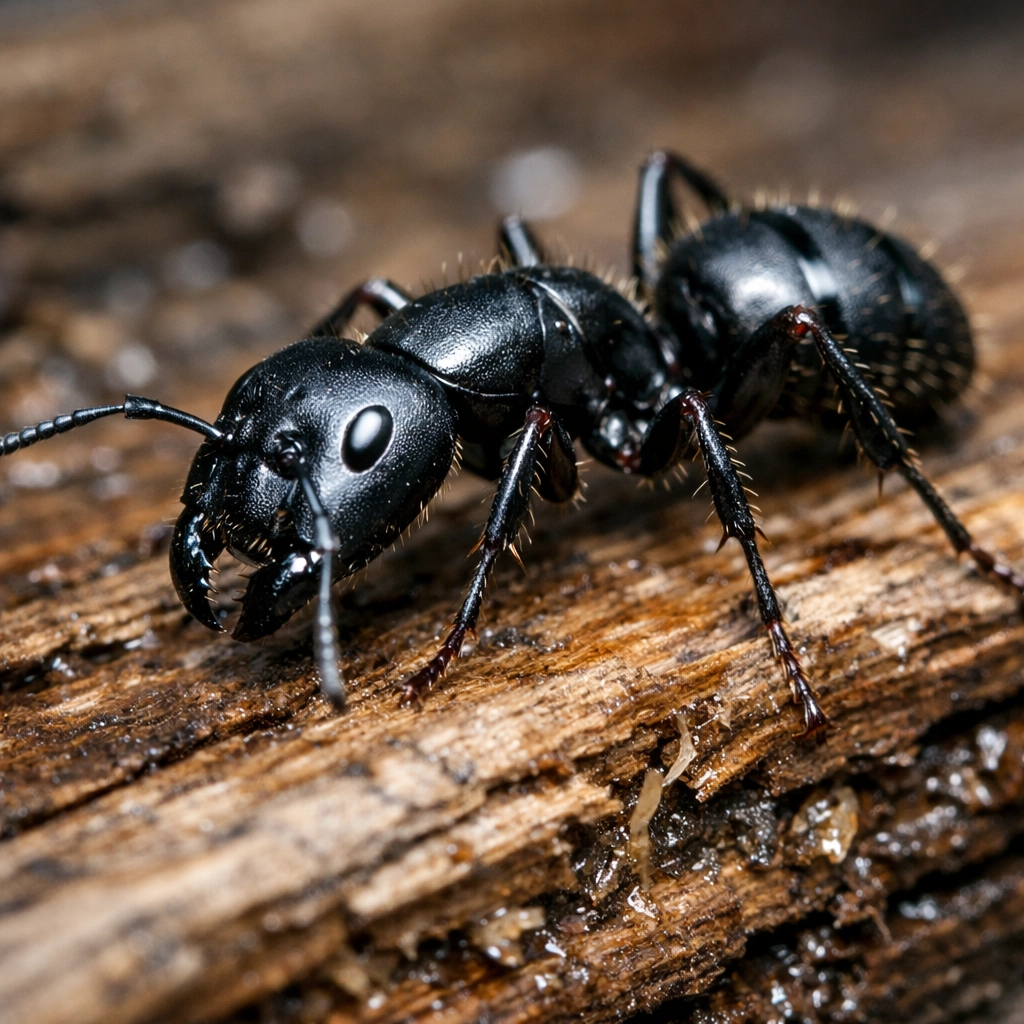
- The Black Carpenter Ant (Camponotus pennsylvanicus): These are among the largest ants in North America, with workers ranging from 6mm to 12mm in length. Unlike termites, they do not consume wood but excavate it to create nesting galleries, which can lead to severe structural degradation over time.
- The Pharaoh Ant (Monomorium pharaonis): A much smaller species, typically 1.5mm to 2mm, known for its complex multi-queen colonies. These are a major concern for public health as they are known vectors for pathogens including Staphylococcus and Pseudomonas. More information on their unique biology can be found at Westex's Pharaoh Ants guide.
- The Pavement Ant (Tetramorium immigrans): These ants commonly nest under slabs and sidewalks, entering homes through minute cracks in the foundation or expansion joints.
Understanding these distinctions is the first step for any exterminator in White Plains. A failure to distinguish between a wood-destroying species and a nuisance species can result in inappropriate treatment strategies that do nothing to protect the home’s long-term value.
Pitfall 1: Overlooking the Building Envelope and Foundation Integrity
The primary entry point for ants into a White Plains residence is through structural vulnerabilities. Many homeowners underestimate the ability of a colony to exploit microscopic gaps. A foraging worker can pass through an opening as narrow as 1.0mm.
Common spring pitfalls include:
- Foundation Fissures: Hairline cracks in poured concrete or gaps in mortar joints between stone foundations are highways for ants.
- Utility Penetrations: The areas where plumbing, electrical, and HVAC lines enter the structure are rarely sealed to a professional standard.
- Window and Door Sealing: Weatherstripping that has degraded over the winter months creates a significant "light gap" that ants can easily navigate.
Securing the building envelope is not merely about comfort; it is a matter of safety. For residents seeking professional pest control in White Plains, NY, sealing these points is a critical component of Integrated Pest Management (IPM). Using high-quality silicone-based caulk or expandable foam is a technical necessity to prevent the "scout" ants from establishing a pheromone trail into the kitchen or pantry.
Pitfall 2: Environmental Mismanagement and "Biological Bridges"
White Plains is celebrated for its lush greenery and mature tree canopies. However, when vegetation is allowed to make physical contact with a structure, it creates a "biological bridge." Ants are highly efficient climbers and will use overhanging branches or un-trimmed shrubs to bypass foundation-level treatments and enter through the second-story eaves or roofline.
To mitigate this risk, property owners should maintain a minimum buffer zone of 24 inches (2 feet) between any vegetation and the exterior walls of the home. Furthermore, the accumulation of organic debris, such as leaf litter and mulch, creates a high-moisture environment that is conducive to colony expansion.
Excessive moisture is a primary attractant. Leaky outdoor spigots, clogged gutters, and poor site drainage can lead to localized "hotspots" of ant activity. Carpenter ants, in particular, are attracted to wood that has a high moisture content, as it is easier to excavate. Addressing these environmental factors is a huge responsibility for any homeowner looking to maintain a hygienic living space.

Pitfall 3: The Danger of Improper Chemical Intervention
Perhaps the most significant pitfall for residents is the misuse of over-the-counter (OTC) pesticide sprays. Many of these products are "repellents," which provide a quick "knockdown" of the visible ants but fail to address the colony located deep within the walls or underground.
For specific species like the Pharaoh ant, the application of a repellent spray can trigger a biological response known as "budding." When the colony senses a chemical threat, the multiple queens will disperse into smaller sub-colonies throughout the house, effectively turning a localized problem into a building-wide infestation. This makes the task of the professional exterminator in White Plains significantly more difficult and expensive for the homeowner.
Instead of reactive spraying, a clinical approach involves the use of non-repellent baits. These baits are designed to be palatable to the workers, who then carry the active ingredient back to the nest to be shared with the queen and larvae through a process called trophallaxis. This is the only guaranteed method for total colony elimination.
Public Health and the Economics of Pest Control
The economic impact of pests is often underestimated. According to industry data, structural pests cause billions of dollars in damage annually across the United States. In White Plains, where property values are high, a carpenter ant infestation that goes unchecked can lead to significant repair costs and a decrease in home equity.
Beyond the financial aspect, the protection of family and home involves safeguarding against the spread of bacteria. Ants often forage in unsanitary areas: including trash receptacles and decaying organic matter: before walking across food preparation surfaces. The transmission of food-borne illnesses is a documented risk that necessitates a zero-tolerance policy for indoor ant activity.

Technical Solutions: Why Professional Monitoring Matters
Achieving a pest-free environment in the spring is not a one-time event but a continuous process of monitoring and adaptation. At Westex Pest Management, we view our services as an essential component of public health. Our technicians are trained to identify the subtle signs of infestation that are often missed by the untrained eye, such as "frass" (the sawdust-like debris left by carpenter ants) or the specific foraging patterns of pavement ants.
For those managing commercial properties or large residential estates in White Plains, the stakes are even higher. Compliance with health codes and the maintenance of a professional reputation require a proactive approach. We utilize data-driven strategies to ensure that treatments are localized, effective, and minimally invasive.
Summary of Spring Prevention Steps for White Plains Residents
To protect your home this season, follow these clinically proven steps:
- Seal Food Sources: Store all dry goods in airtight plastic or glass containers. Even a few grains of sugar can attract thousands of workers.
- Sanitize Waste Areas: Ensure that kitchen trash cans have tight-fitting lids and are cleaned regularly with disinfectant.
- Address Moisture: Repair any interior or exterior leaks immediately. Ensure gutters are clear and directing water away from the foundation.
- Inspect the Perimeter: Walk the exterior of your home and look for any vegetation touching the siding or roof.
- Professional Consultation: If you see more than five ants in a single room, it is statistically likely that a colony is already established within or near the structure.
The complexity of ant behavior and the unique environmental pressures of Westchester County make professional intervention the most reliable solution. For a comprehensive evaluation of your property, you can visit our services page to learn more about our specialized programs.
Contact Westex Pest Management Today
At Westex Pest Management, we take the responsibility of protecting your home and family seriously. Our team of experts provides the highest level of service, ensuring that your property remains a safe and hygienic environment throughout the spring and beyond. Whether you are dealing with an active infestation or looking for a preventative maintenance plan, we offer guaranteed solutions tailored to the specific needs of White Plains residents.
Don't let a small spring ant problem turn into a structural or health crisis. Contact a professional pest control expert in White Plains, NY today.
Protect your home and family with the experts at Westex Pest Management.
- Website: westexpestmanagement.com
- Contact Us: Get a Free Quote
- Special Offers: View our Coupons
Your safety and peace of mind are our top priorities. Let us handle the enormous task of pest management so you can enjoy the beautiful Westchester spring.