As the spring equinox passes and the picturesque landscapes of Westchester County begin to bloom, a biological resurgence occurs beneath the surface of our residential and commercial environments. While the return of greenery is welcomed, it signals the end of diapause: a period of suspended development: for various species of the order Hymenoptera. This transition from winter dormancy to active colony establishment represents a critical window for public health and property maintenance.
In the Northeast, particularly within the diverse ecosystems of New York, the emergence of stinging insects is not merely a seasonal nuisance; it is a significant concern for public safety. According to data from the American College of Allergy, Asthma & Immunology, stinging insects send more than 500,000 people to emergency rooms in the United States every year. For a segment of the population, these encounters can lead to life-threatening anaphylaxis. Understanding the technical nuances of these pests and the structural vulnerabilities they exploit is the first step in maintaining a safe, hygienic environment.
The Biological Imperative: Spring Emergence and Colony Initiation
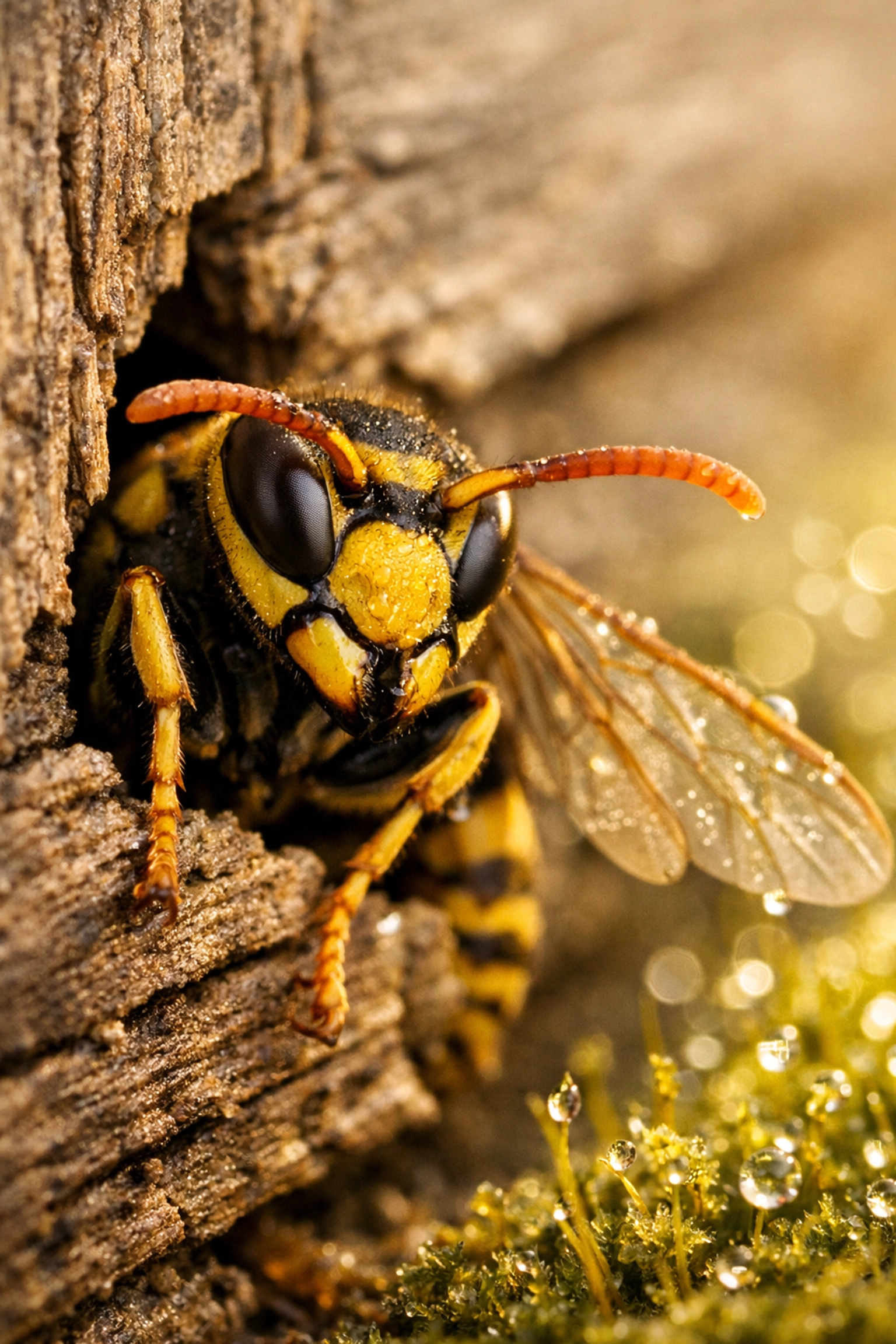
The early spring months are characterized by the emergence of "foundress" queens. These fertile females have spent the winter in a state of metabolic suppression, often hidden within wall voids, under loose bark, or in attic insulation. As temperatures consistently rise above 50°F (10°C), these queens begin their search for optimal nesting sites to launch the season’s first brood.
The primary species of concern in our region include:
- Paper Wasps (Polistes dominula): Identifiable by their long legs and slender bodies, these insects are known for constructing umbrella-shaped nests from masticated wood fibers and saliva. You can find more specific data on their behavior on our paper wasps page.
- Bumble Bees (Bombus): Often found nesting in abandoned rodent burrows or near ground-level cavities, these social insects are essential pollinators but can become aggressive if their nest is disturbed during garden maintenance. Detailed identification can be found at bumble bees.
- Yellowjackets (Vespula and Dolichovespula): These are among the most aggressive stinging insects, often nesting in the ground or within structural voids.
The "pitfall" many homeowners face is neglecting the property during this foundress stage. It is far more efficient and safer to prevent a queen from establishing a nest than to wait until mid-summer when a colony may contain several thousand defensive workers.
Structural Vulnerabilities: The Physics of Entry
To protect the integrity of a home, one must view the structure through a clinical lens, identifying every potential breach in the building envelope. Stinging insects are capable of utilizing remarkably small apertures. A gap as narrow as 1/8th of an inch (approximately 3.17 mm) is sufficient for a queen wasp to enter a wall void or attic space.
The Soffit and Eave Dilemma
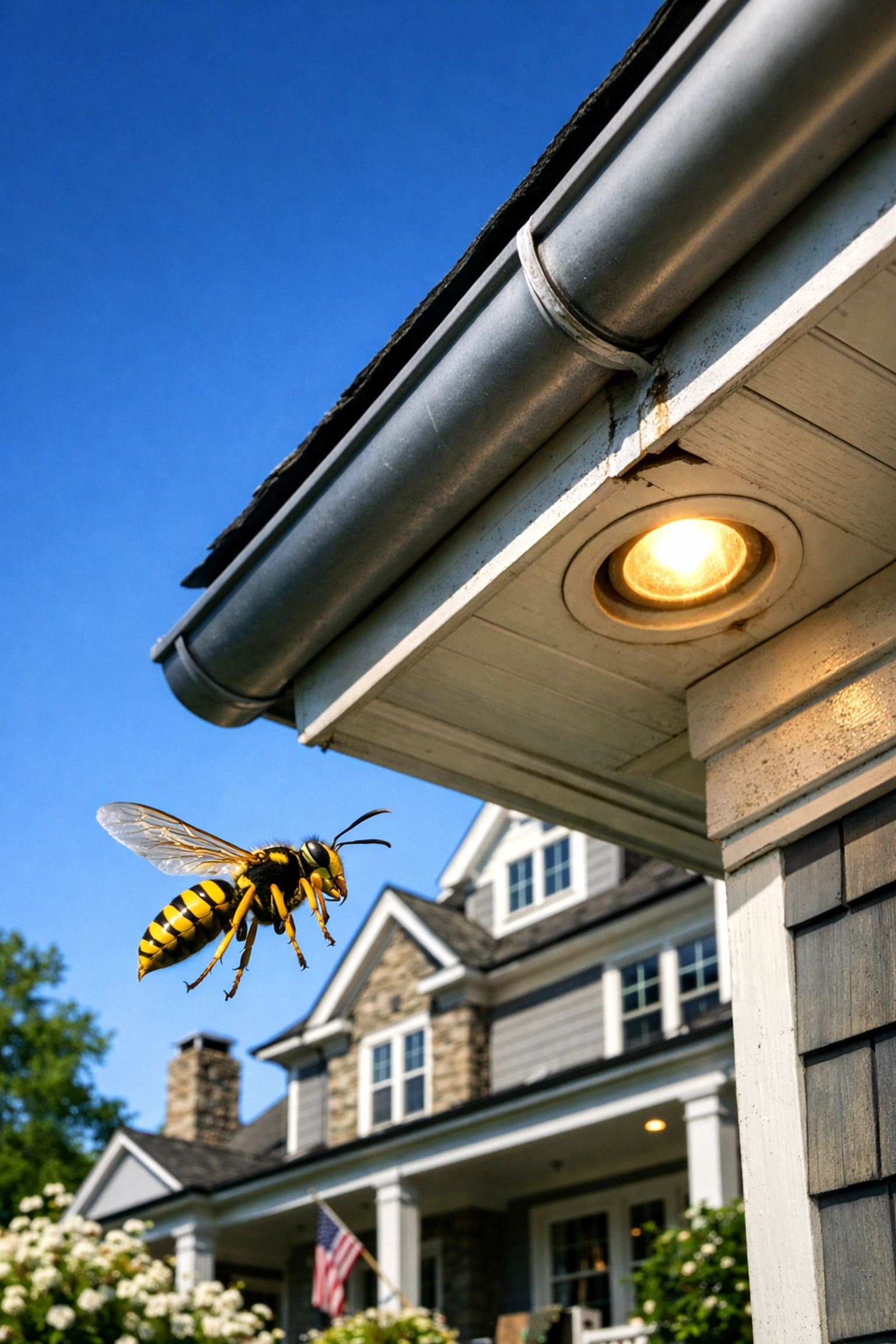
The architectural design of many Westchester homes includes soffits and eaves that provide ideal microclimates for nest construction. Recessed lighting in soffits is a particular point of failure. The heat generated by these fixtures, combined with the sheltered overhead protection, creates an attractive nesting site.
Common Entry Points Include:
- Unscreened Attic Vents: These serve as highways for flying insects to reach the interior of a home.
- Utility Penetrations: Gaps around plumbing, electrical conduits, and HVAC lines that are not properly sealed with professional-grade materials.
- Window and Door Frames: Deteriorating caulking or weatherstripping can leave gaps that are easily exploited.
At Westex Pest Management, we approach these vulnerabilities as a matter of structural hygiene. Our services involve a comprehensive inspection to identify these "entry nodes" before they become active nesting corridors.
Environmental Attractants and Hygiene
The presence of stinging insects is rarely accidental; it is driven by the availability of resources: food, water, and shelter. Managing these variables is essential for long-term mitigation.
1. Moisture Management:
Like all biological organisms, Hymenoptera require water. Properties with poor drainage, leaking outdoor faucets, or clogged gutters provide the necessary hydration for a burgeoning colony. Eliminating standing water reduces the biological viability of your property for these pests.
2. Nutritional Resource Management:
Early in the season, queens are focused on protein to fuel their first brood. Later, the colony shifts toward carbohydrates and sugars.
- Garbage Sanitation: Ensure all refuse containers have airtight seals. Fermenting organic matter is a high-level attractant for yellowjackets.
- Pet Food: Leaving bowls of pet food outdoors provides an easy protein source.
- Flora Selection: While gardening is a local pride, high concentrations of flowering plants immediately adjacent to entryways increase the probability of human-insect interaction.
Personal Protection and Public Health Safety
When engaging with the outdoors this spring, personal conduct and attire can significantly impact the likelihood of a stinging event. This is a matter of practical safety rather than aesthetics.
Strategic Dress and Olfactory Cues
The visual and olfactory senses of stinging insects are highly tuned to their environment.
- Coloration: Research indicates that dark colors (navy blue, black, deep red) can elicit a defensive response from some species, as these colors mimic the appearance of natural predators like bears or raccoons. It is recommended to wear light-colored, smooth-finished fabrics.
- Scents: Perfumes, scented deodorants, and floral-scented hair products contain volatile organic compounds (VOCs) that mimic the scents of flowers, potentially drawing insects toward you.
- Footwear: Open-toe shoes should be avoided when walking through grassy areas where ground-nesting yellowjackets or bumble bees may be active.
Behavioral Protocols
If you encounter a stinging insect, the clinical recommendation is to remain calm. Sudden, erratic movements or flailing of the limbs (the "panic response") generates air pressure changes and visual stimuli that the insect perceives as a threat, triggering a defensive sting. Move away slowly and deliberately.
The Pitfall of DIY Intervention
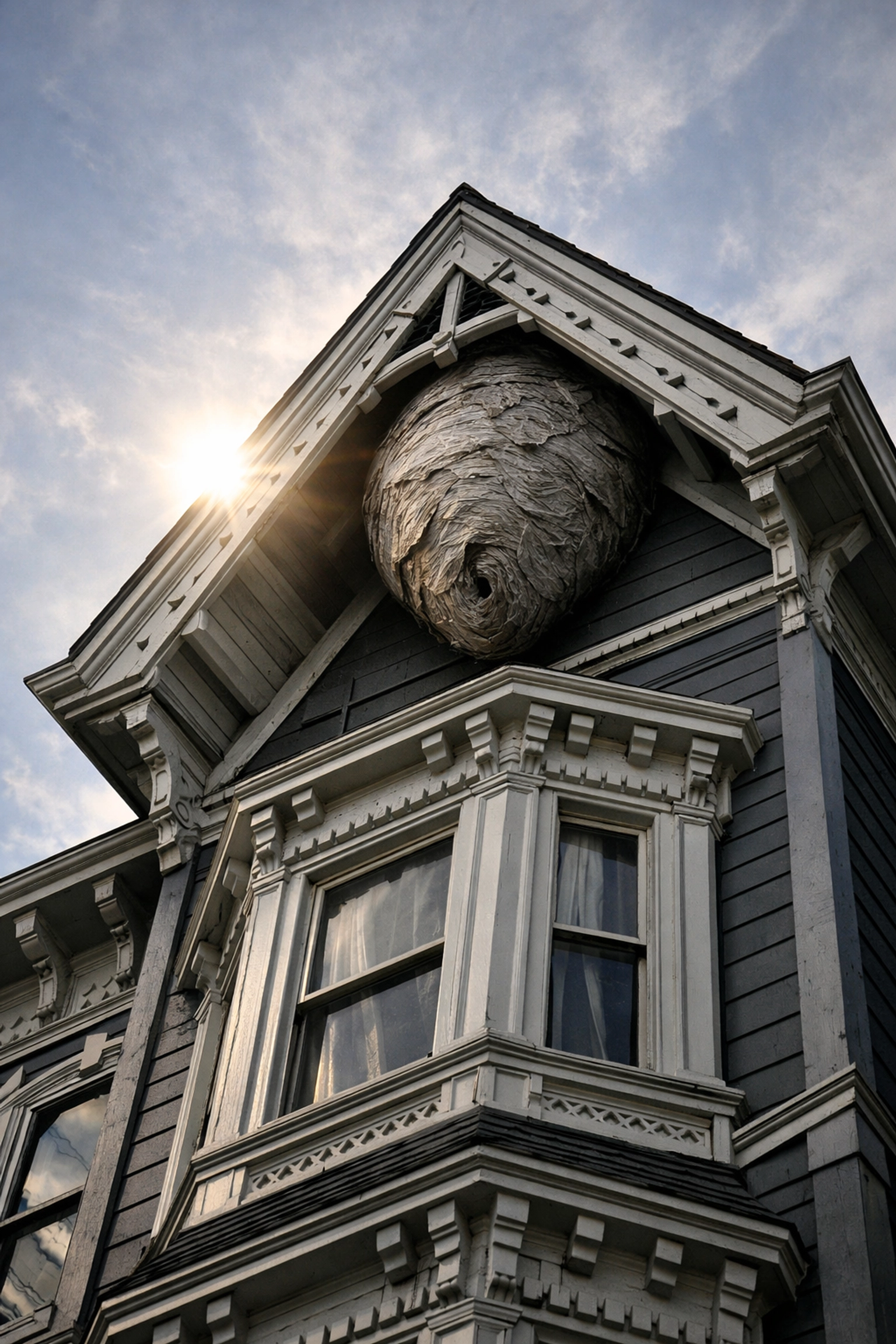
Perhaps the most dangerous pitfall is the attempt to self-treat established nests, particularly those within wall voids. Utilizing over-the-counter "wasp freeze" sprays can be counterproductive and hazardous.
When a nest inside a wall is sprayed at the entrance, it often causes the insects to retreat deeper into the structure, potentially forcing them into the living quarters of the home. Furthermore, the use of ladders to reach high-altitude nests poses a significant fall risk if the individual is swarmed while at height. This is where professional-grade solutions and local expertise become a necessity.
Professional Mitigation and Preventive Measures
Managing the stinging insect population in a high-density area like Westchester is an enormous task and a huge responsibility. It requires a sophisticated understanding of entomology and chemical application.
Westex Pest Management utilizes a "Public Health First" strategy. Our preventative spring exterior service is designed to interrupt the nesting cycle before it gains momentum. This includes:
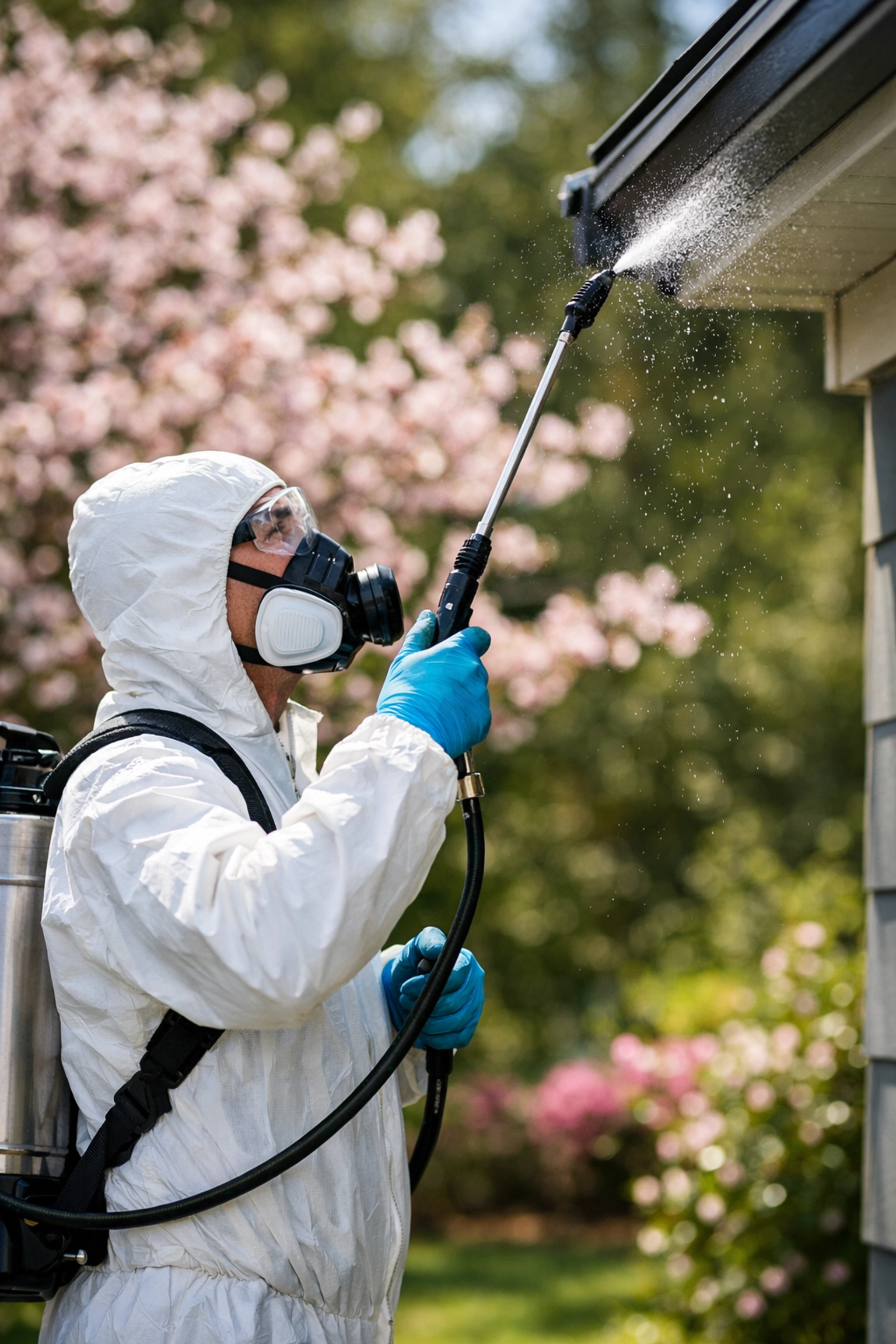
- Power-Spraying of Eaves and Soffits: Using professional-grade, residual materials that discourage nest building.
- Precision Dusting: Treating cracks and crevices that serve as potential entry points.
- Structural Recommendations: Providing homeowners with technical data on necessary repairs to "pest-proof" the building.
For those concerned about the economic impact of pest control, we offer various coupons to ensure that professional protection remains accessible to the community. Protecting your family and home from the risks associated with stinging insects is a guaranteed way to enjoy the spring season without the clinical urgency of a medical emergency.
Conclusion: A Proactive Stance
As we move deeper into the spring season, the responsibility of property owners to monitor their environment increases. By avoiding the pitfalls of neglect, poor sanitation, and hazardous DIY treatments, you contribute to the overall public health of the Westchester region.
For more information on various pests that may emerge alongside stinging insects, such as ladybugs or boxelder bugs, explore our comprehensive articles and updates section. If you suspect an active nesting site on your property, do not wait for the colony to expand. Contact a licensed professional to ensure the safety and hygiene of your home are maintained through expert intervention.