The city of White Plains, New York, is celebrated for its unique blend of urban sophistication and picturesque suburban landscapes. However, the environmental characteristics of Westchester County: ranging from the dense greenery of our residential neighborhoods to the aging infrastructure of our historic buildings: create a thriving ecosystem for various Formicidae species. For homeowners and property managers, maintaining a sanitary environment is a significant responsibility that goes beyond simple aesthetics. It is a matter of public health and hygiene.
Every year, thousands of residents attempt to manage infestations using over-the-counter (OTC) products. Despite the widespread availability of retail insecticides, ant populations often persist or, in some cases, intensify. Understanding the biological complexities and the technical nuances of pest management is essential to protecting your home from structural damage and food contamination.
Below are the 10 primary reasons why DIY ant control strategies frequently fail in White Plains and why a professional, integrated approach is a necessity for public safety.
1. Misidentification of the Species
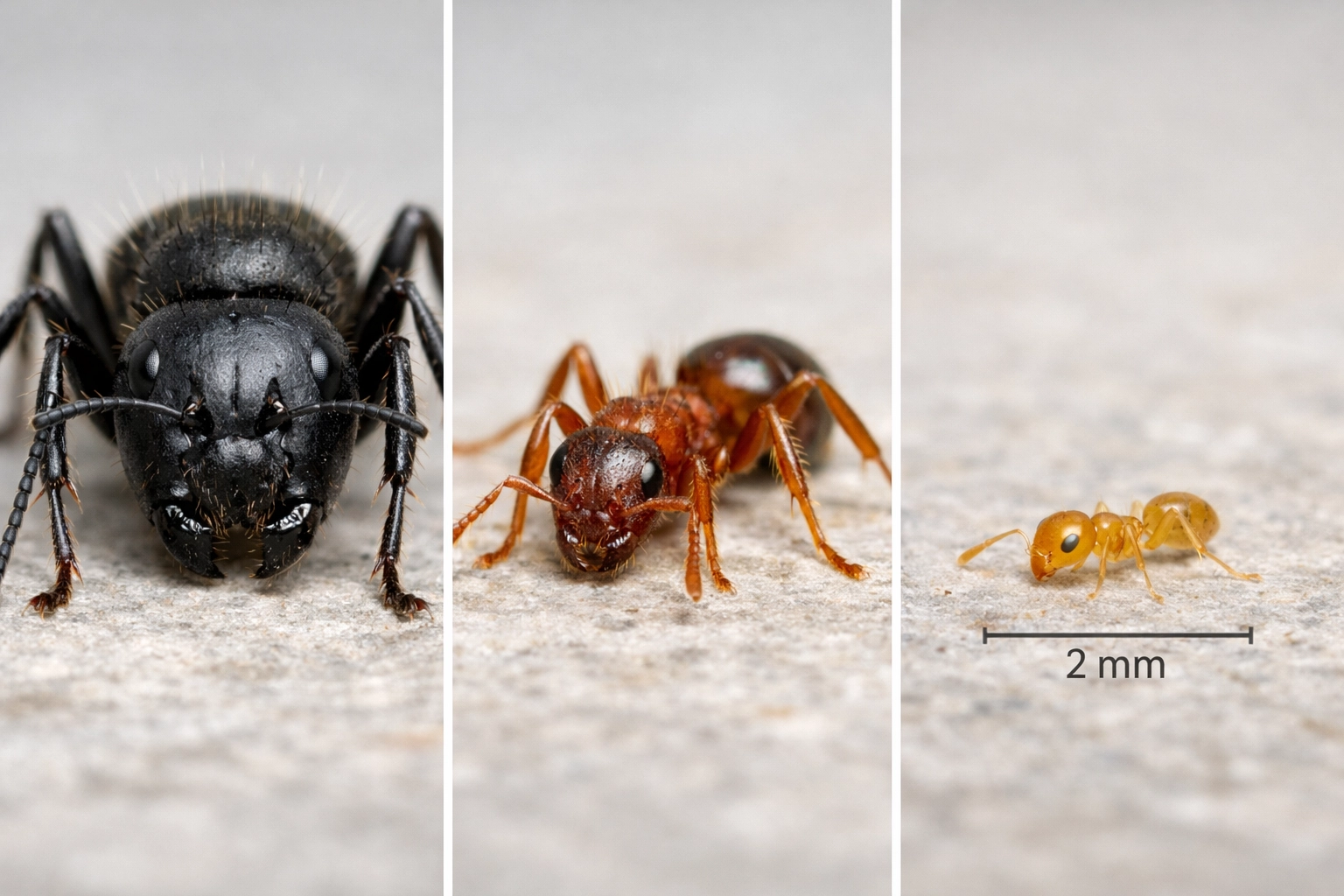
The most fundamental error in DIY pest control is the failure to accurately identify the specific ant species infiltrating the structure. In the White Plains area, we frequently encounter the Pavement Ant (Lasius neoniger), the Black Carpenter Ant (Camponotus pennsylvanicus), and the highly resilient Pharaoh Ant (Monomorium pharaonis).
Each species requires a distinct eradication protocol. For example, Pharaoh ants are tiny, measuring only about 1.5mm to 2mm in length. If a homeowner misidentifies them and applies a standard repellent spray, it can trigger a biological survival mechanism known as "budding." This occurs when the colony perceives a threat and splits into multiple smaller colonies, effectively turning one localized problem into a building-wide infestation.
2. Targeting the Foragers, Not the Colony
When homeowners see ants on a kitchen counter, their immediate instinct is to eliminate the visible insects. However, these visible ants are "foragers": expendable worker ants whose sole purpose is to locate and transport food. In a typical colony, foragers represent only about 5% to 10% of the total population.
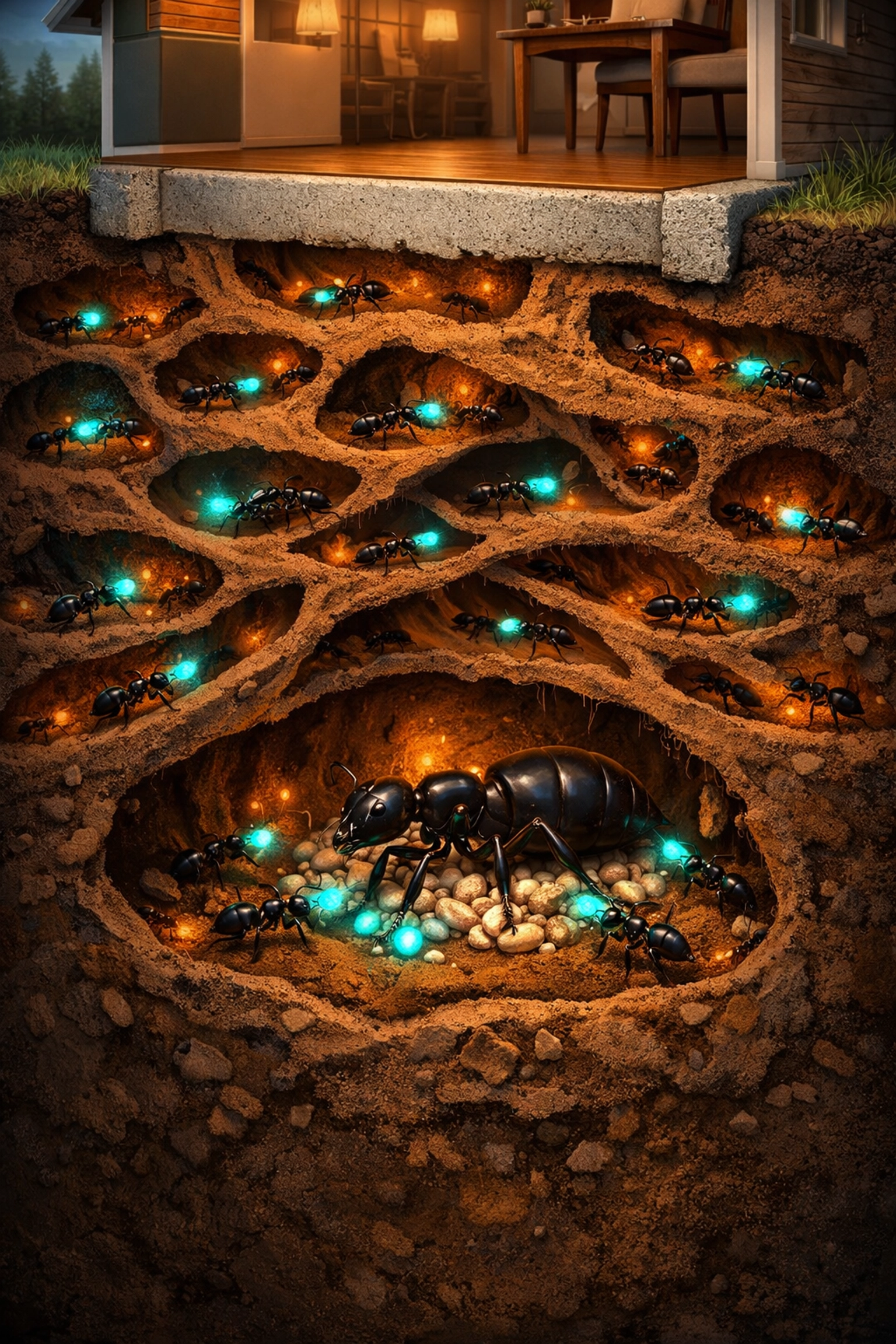
The remaining 90%, including the queen(s) and the larvae, remain protected deep within the nest. Killing the foragers provides a temporary illusion of success, but it does nothing to halt the reproductive cycle occurring behind the scenes. Without neutralizing the queen, the colony will continue to produce hundreds of new workers daily.
3. The Counterproductive Nature of Repellent Sprays
Most retail ant sprays found in local hardware stores are formulated with pyrethroids. While effective as contact killers, these chemicals act as powerful repellents. When these substances are applied around the perimeter of a room, they create a chemical barrier that ants will simply avoid.
Rather than eliminating the colony, these sprays often drive the ants deeper into the wall voids or into previously unaffected areas of the home. This "scatter effect" makes the eventual professional treatment more difficult and time-consuming, as the ants have been forced into inaccessible structural elements.
4. Structural Inaccessibility
White Plains features a diverse array of architecture, from modern high-rises to pre-war colonial homes. Each structure offers unique nesting sites that are inaccessible to the average homeowner. Carpenter ants, for instance, prefer nesting in damp or decaying wood inside wall voids, while pavement ants frequently establish colonies deep under concrete slabs and foundations.
Professional technicians utilize specialized equipment: such as thermal imaging and moisture meters: to locate these hidden epicenters. Without the ability to reach the nesting site directly, DIY surface treatments are essentially cosmetic.
5. Use of Outdated and Ineffective Bait Formulations
The retail market is often saturated with outdated bait formulations that have been used for decades. Over time, certain ant populations have developed behavioral resistance or bait aversion. For example, some colonies may recognize the specific pheromones or chemical signatures of common store-bought baits and avoid them entirely.
Professional-grade baits are formulated with non-repellent active ingredients and high-quality attractants that mirror the ants' natural food sources. These "stealth" baits allow the ants to consume the material and share it with the rest of the colony through a process called trophallaxis (the mouth-to-mouth transfer of food).
6. Incorrect Dosing in DIY Borax Mixtures
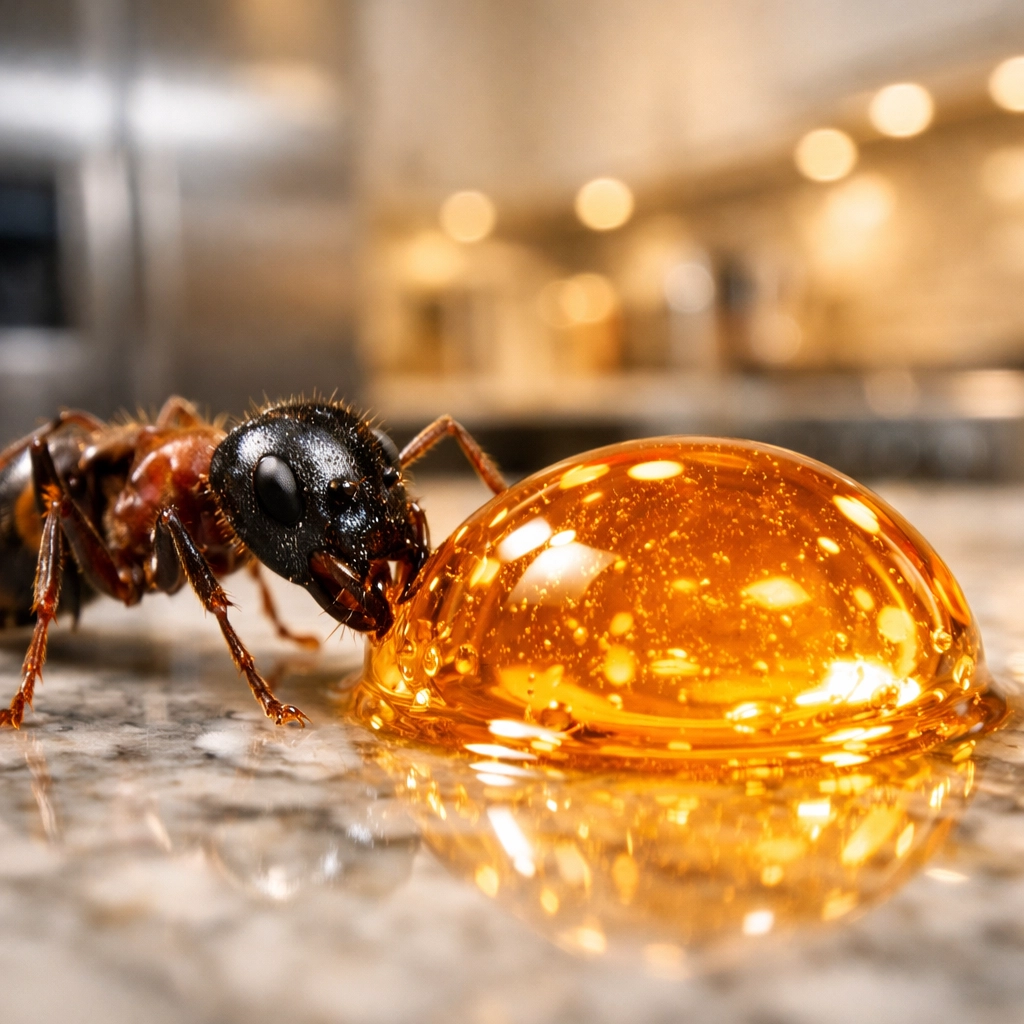
Many residents attempt to save money by creating DIY baits using Borax (sodium borate). While Borax is a valid tool in pest management, the concentration must be precise. Scientific research indicates that if a Borax mixture exceeds a 3% concentration, it becomes toxic to the worker ant too quickly.
If the worker dies before it can return to the nest and feed the queen, the bait has failed. Most DIY recipes result in concentrations that are far too high, killing the "delivery system" before the "payload" can reach the heart of the colony. Professional technicians ensure that the toxicity levels are calibrated to maximize colony transfer.
7. Cross-Contamination of Treatment Areas
A common mistake involves "hedging bets" by using both baits and sprays in the same area. If a homeowner places a bait station and then sprays the surrounding area with a retail insecticide, they have effectively contaminated the bait.
The repellent nature of the spray will prevent ants from approaching the bait station. For a baiting program to be successful, the area must remain "clean" of other chemicals so the ants feel safe foraging and returning to the colony. Professionals follow a strict Integrated Pest Management (IPM) protocol to prevent such interference.
8. Failure to Account for Dietary Shifts
Ant colonies are biologically programmed to seek out different nutrients based on the needs of the nest. At certain times of the year, particularly during the peak reproductive season in Westchester, the colony may prioritize proteins to support the growth of larvae. At other times, they may require carbohydrates (sugars) for the energy of the workers.
If you are only offering a sugar-based bait when the colony is in a "protein phase," they will ignore your efforts entirely. Westex Pest Management professionals analyze the colony’s current biological requirements to provide the correct nutritional attractant.
9. Environmental Degradation of Products
The effectiveness of any pest control product is limited by its environment. In the humid summers of the Hudson Valley, gel baits can dry out within 48 to 72 hours, losing their palatability. Conversely, in damp basements, baits may become moldy or contaminated by dust and household cleaners.
DIY efforts often fail because the bait is left out long after it has lost its effectiveness. Professional service plans involve regular monitoring and the refreshing of materials to ensure the treatment remains viable throughout the entire eradication cycle. You can learn more about our ongoing protection strategies in our articles and updates section.
10. Underestimating the Biological Timeline
Pest control is a biological process, not a mechanical one. Many homeowners abandon their DIY efforts after a few days because they still see ants. In reality, a successful baiting program may take 14 to 21 days to show significant results, as the active ingredients must circulate through the entire population.
Impatience often leads homeowners to switch products or start spraying, which resets the clock and complicates the infestation. Professional management provides the "guaranteed" nature of a solution through expertise in the lifecycle of the insect.
The Importance of Professional Intervention
Beyond the frustration of a persistent infestation, ants pose genuine risks to the safety and integrity of your property. Carpenter ants can cause significant structural damage by excavating galleries in wood, while various species are known to carry bacteria such as Salmonella, E. coli, and Streptococcus.
At Westex Pest Management, we view the protection of your home as an enormous task and a huge responsibility. Our approach focuses on the services that prioritize public health and hygiene. We utilize data-driven methods to ensure that your family and property are protected from the risks associated with domestic pests.
If you have been struggling with a persistent ant problem in White Plains, do not wait for the infestation to spread. View our testimonials to see how we have helped your neighbors, and check our coupons page for current seasonal offers on professional inspections.
Maintaining a pest-free environment is not just a matter of convenience: it is a critical step in preserving the health and safety of the White Plains community. Trust the experts to handle the science of pest control while you enjoy the beauty of our Westchester landscape.