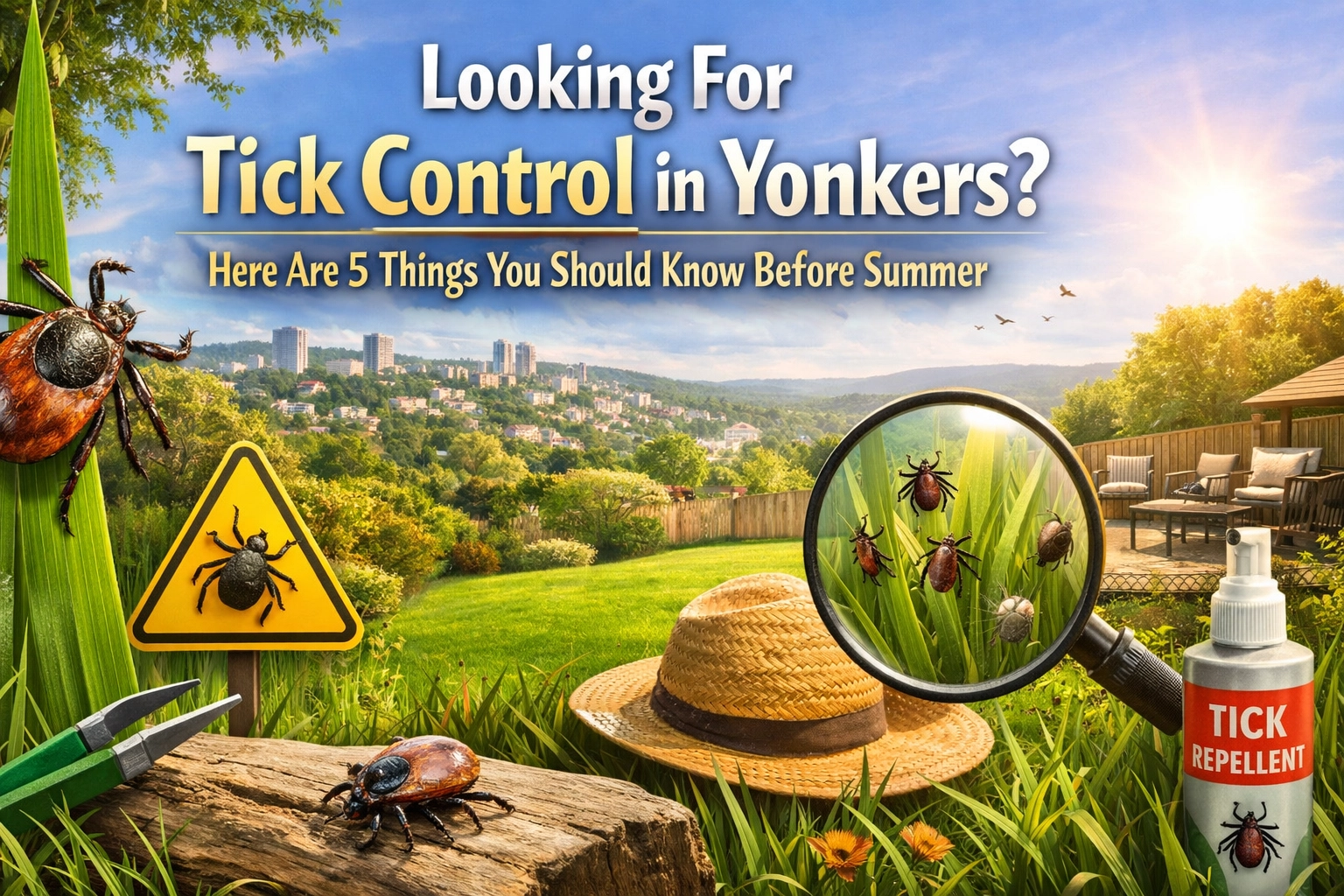
Yonkers, New York, is defined by its diverse landscape: a unique intersection of dense urban environments and lush, picturesque green spaces. From the expansive trails of Tibbetts Brook Park to the curated botanical beauty of Untermyer Gardens, the city offers a vibrant outdoor lifestyle. However, this proximity to nature brings a significant and persistent public health challenge: the prevalence of disease-carrying ticks.
As the Hudson Valley prepares for the summer transition, the risk of tick-borne illnesses increases exponentially. Managing these populations is not merely a matter of backyard convenience; it is a critical component of public health and hygiene. For homeowners in Westchester County, understanding the biological and environmental factors that drive tick activity is the first step in ensuring the safety of families and domestic animals.
Westex Pest Management views tick mitigation as a serious responsibility, grounded in entomological science and local environmental data. Before the summer heat fully arrives, here are the five essential factors every Yonkers resident should understand regarding tick control.
1. The Proliferation of Ixodes scapularis in Westchester County
The primary vector of concern in the Yonkers area is the black-legged tick, scientifically known as Ixodes scapularis. Often referred to as the "deer tick," this species is the principal carrier of Borrelia burgdorferi, the bacterium responsible for Lyme disease.
In the Hudson Valley, the density of Ixodes scapularis is among the highest in the United States. This is largely due to the region's high population of white-tailed deer (Odocoileus virginianus) and white-footed mice (Peromyscus leucopus), which serve as the primary hosts for different stages of the tick's life cycle.
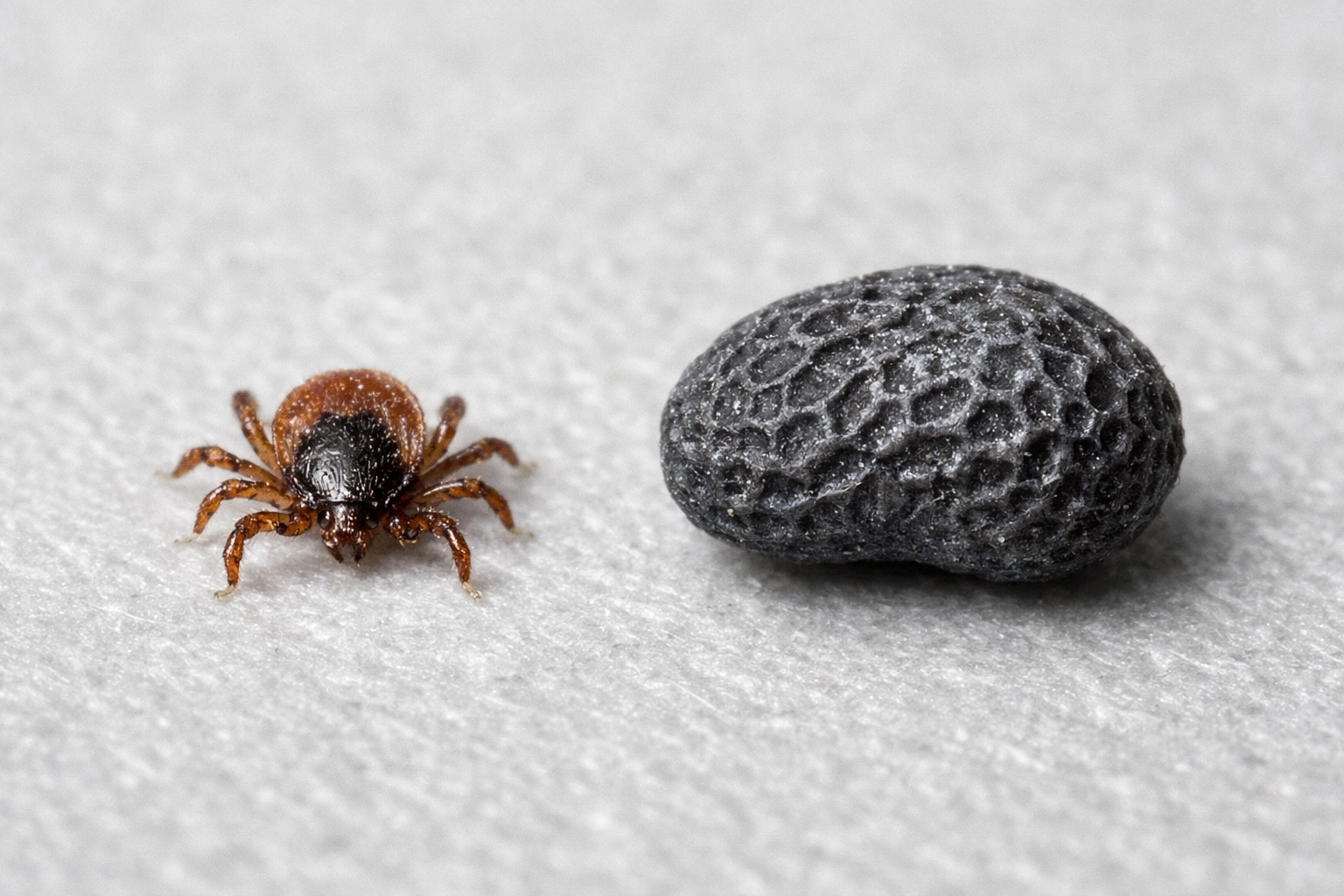
Understanding the physical dimensions of these arachnids is vital for detection. An adult female Ixodes scapularis typically measures approximately 3 to 5 millimeters (mm) in length when unfed. However, the most dangerous stage for human transmission is the nymph stage. During this phase, the tick is roughly the size of a poppy seed, measuring between 1 and 2 mm. Their diminutive size makes them nearly impossible to detect through casual observation, which is why professional environmental management is a necessity rather than an option.
2. The "Edge Effect": Why Yonkers Properties are Vulnerable
Tick habitats are not distributed uniformly across a landscape. Instead, they thrive in what ecologists call "ecotones": the transition zones between two different biological communities. In suburban Yonkers, this is most commonly seen as the "edge effect" where manicured lawns meet wooded areas or ornamental brush.
Ticks are highly susceptible to desiccation (drying out). They require environments with high humidity, typically exceeding 80%, to survive. The leaf litter and shaded ground cover found at the edges of properties provide the perfect micro-habitat. Studies from academic institutions like Cornell University have shown that the majority of ticks found on residential properties are concentrated within nine feet of the lawn's edge.
Common High-Risk Zones Include:
- Dense ground covers such as Pachysandra or English Ivy.
- Log piles and stone walls that provide harborage for host rodents.
- Unraked leaf litter accumulations from the previous autumn.
- Tall meadow grasses exceeding 6 inches in height.
By identifying these specific biological "hotspots," Westex Pest Management can apply targeted treatments that disrupt the tick life cycle without unnecessary chemical saturation of the entire property.
3. Public Health Statistics and the Urgency of Prevention
The necessity for professional tick control is underscored by the sobering statistics provided by the New York State Department of Health and the Centers for Disease Control and Prevention (CDC). New York consistently ranks among the top states for reported cases of Lyme disease.
However, Lyme is not the only threat. Ixodes scapularis is also a vector for:
- Anaplasmosis: A bacterial infection that can cause fever, chills, and severe muscle aches.
- Babesiosis: A parasitic infection that attacks red blood cells.
- Powassan Virus: A rarer but much more severe viral infection that can cause encephalitis (inflammation of the brain) and meningitis.
According to historical data, the peak period for nymphal tick activity in Westchester County begins in late May and extends through July. Because nymphs are responsible for the vast majority of human infections, the window for effective preventative treatment is narrow. Waiting until the height of summer to address a tick presence is often too late, as the peak transmission window may have already passed.
For the latest updates on local pest trends, residents can monitor our articles and updates section to stay informed on emerging public health warnings.
4. The Limitations of DIY and the Importance of Residual Efficacy
Many homeowners attempt to manage tick populations using over-the-counter (OTC) sprays or "natural" repellents. While these may offer temporary, localized relief, they frequently lack the residual efficacy required to provide long-term protection against a continuous influx of ticks from neighboring woods or wildlife hosts.
Professional tick control involves the application of specialized acaricides designed to remain active in the environment for specific durations, even after rainfall. At Westex Pest Management, our protocols focus on the "barrier method." This involves treating the perimeter of the property and the specific micro-habitats where ticks congregate.
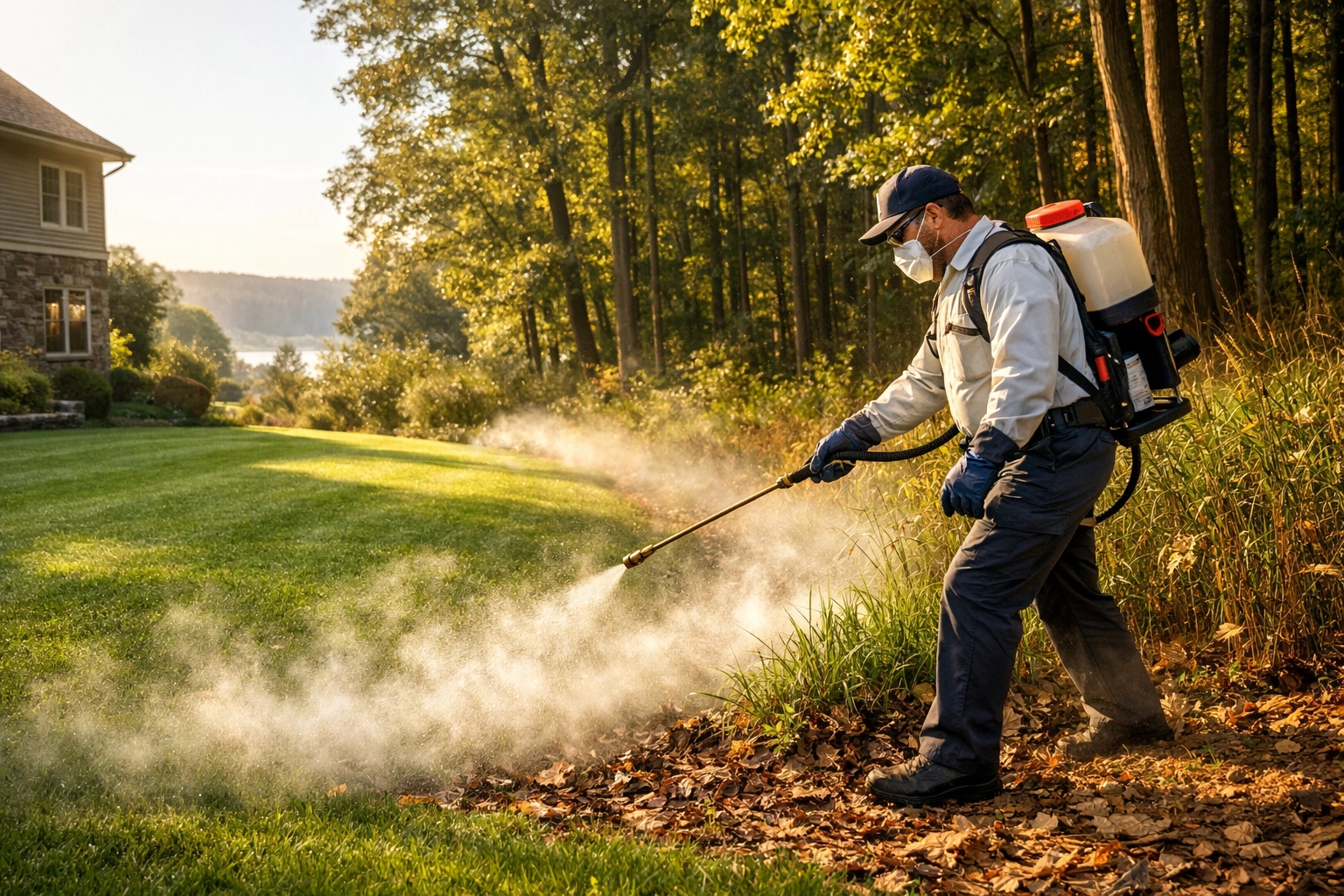
Furthermore, professional intervention includes the management of host populations. Ticks do not travel long distances on their own; they are transported into your yard by mice, squirrels, and deer. Integrated Pest Management (IPM) strategies, such as those utilized in our comprehensive services, address both the ticks themselves and the environmental factors that invite their hosts onto your property.
5. Integrating Safety with Environmental Responsibility
A primary concern for Yonkers residents is the safety of their families and pets. In an era where "public health and hygiene" must be balanced with ecological sensitivity, the choice of treatment method is paramount.
Modern pest management technology allows for highly specific applications. We utilize products that bind to the organic matter in the soil and leaf litter, minimizing runoff and reducing exposure to non-target organisms. Our technicians are trained to avoid flowering plants to protect local pollinators, such as bumble bees, while still maintaining a rigid defense against arachnid threats.

The goal is to create a "safe zone" for human activity. By focusing on the transition areas and ground-level habitats, we can significantly reduce the tick population on a property by 85% to 95% after just one or two applications. This level of control is virtually impossible to achieve through non-professional means.
The Enormous Responsibility of Protective Care
At Westex Pest Management, we view our role in the Yonkers community as one of extreme gravity. Protecting a home from ticks is not a seasonal chore; it is an essential service aimed at preventing life-altering illnesses. The "picturesque landscapes" of Westchester County should be enjoyed without the constant fear of a microscopic threat.
Our local expertise allows us to understand the specific nuances of the Hudson Valley’s climate and biology. We know when the ground temperature reaches the critical threshold for tick emergence, and we know exactly where they hide during the heat of the day.
Summary of Pre-Summer Tick Facts:
- Species: Ixodes scapularis is the primary vector.
- Size: Nymphs (1-2mm) are the highest risk to humans.
- Habitat: Ticks require high humidity and reside in leaf litter/edges.
- Disease: Prevention is the only reliable way to avoid Lyme and Anaplasmosis.
- Control: Professional barrier treatments offer the highest rate of success.
As summer approaches, the window for proactive protection is closing. We encourage Yonkers residents to take the necessary steps to secure their properties before the nymphal peak. For those looking for cost-effective ways to begin their protection plan, we invite you to view our current coupons and schedule a professional assessment.
To learn more about how we protect homes across the region, you can read our client testimonials or visit our main website for a full breakdown of our public health and safety protocols. Your family's safety is a huge responsibility, and it is one we are prepared to handle with clinical precision and local pride.